Most of food losses occur at the post harvest level. One of the main contributors of post harvest losses faced in Trinidad and Tobago is chilling injury. Chilling injury is what happens to some commodities of tropical origin held at the wrong storage or transit temperature, but a temperature above 32°F (0°C). Generally these are temperatures around 41-50°F (12.5°C).
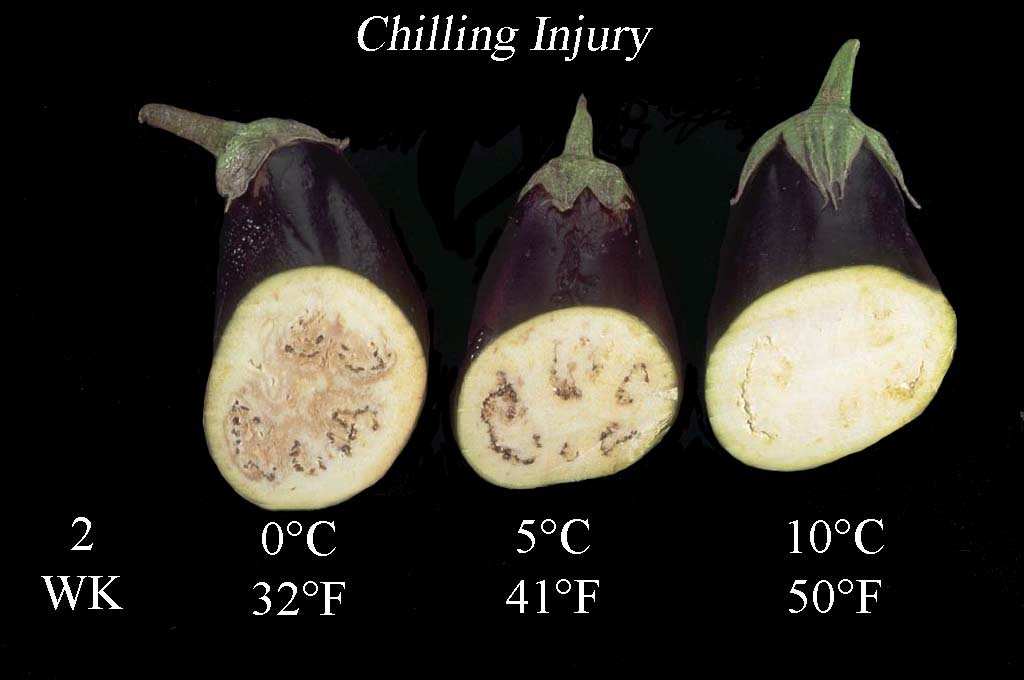
Chilling injury occurs at temperatures well above the freezing point. The temperature causes the tissue to become weak which then leads to cellular dysfunctions. Symptoms of chilling injury include surface lesions/pitting, internal discoloration, water soaking of the tissue, failure to ripen normally and increased susceptibility to decay organisms such as Alternaria. The maturity at which the harvest takes place also affects the susceptibility to chilling injury in products such as tomatoes, honeydew melons and peppers.
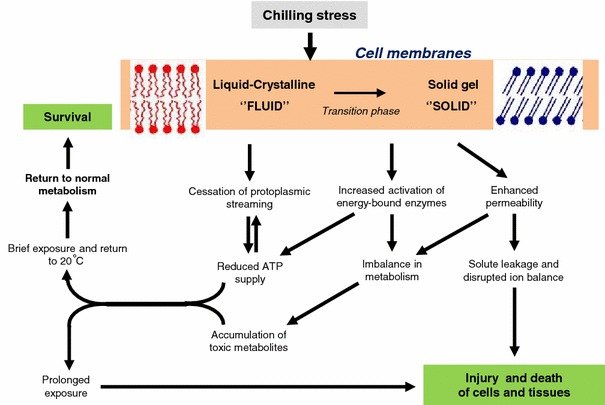
Factors affecting the susceptibility to chilling injury include the origin of the commodities, genetic makeup of the commodity, stage of development or maturity, metabolic status of the tissue, and a number of environmental factors such as temperature, light, relative humidity, and atmospheric composition.
ALLEVIATION OF CHILLING INJURY IN TROPICAL AND SUBTROPICAL
FRUITS
Low Temperature Conditioning. Exposure of chilling-sensitive tropical and subtropical commodities to temperatures slightly above the critical chilling range increases the tolerance of these commodities to chilling during subsequent low temperature storage and delays the development of injury symptoms. Apparently, low temperature conditioning induces an adaptive response in commodities to chilling stress.
High Temperature Conditioning. Short term treatment with temperatures higher than 35°C can reduce chilling injury of some commodities.
Intermittent warming is the interruption of low temperature storage with one or more short periods of warm temperature.
Controlled atmosphere may be beneficial, detrimental or have no effect in alleviating chilling injury. Most commodities respond favorably to a decrease in oxygen level and an increase in carbon dioxide concentration.
Growth Regulators such as Abscisic acid (ABA) stabilizes the microtubular network, suppresses ion leakage,and prevents loss of reduced glutathione and membrane phospholipids.
Chilling injury is responsible for substantial post harvest losses in tropical and subtropical commodities. The effectiveness of these methods in reducing chilling injury often varies with the commodity and is affected by the maturity and physiological state of the commodity as well as a number of environmental factors. It is important to use the required storage temperature to prevent Chilling injury.
 AGSC 5110 Research Methods
Has chilling injury been more of an issue recently in Trinidad and Tobago?
LikeLike
Yes to some farmers on the southern (country) parts of the island. Most have poor storage facilities. Now the government has established storage facilities where they can rent personal storage spaces to help them
LikeLiked by 1 person