AGSC 5110 Research Methods
We have noticed the vitamin C of the supplement , these days , have gained much attention due to the claims on many social media that vitamin C can help with COVID-19. physicians and researchers are studying the effects of high dose intravenous vitamin C on the new coronavirus, no supplement, including vitamin C, can prevent or treat COVID-19.
vitamin C is a water-soluble vitamin. Citrus fruits, tomatoes and tomato juice, and potatoes are major contributors of vitamin C to the American diet . Other good food sources include red and green peppers, kiwifruit, broccoli, strawberries, Brussels sprouts, and cantaloupe.
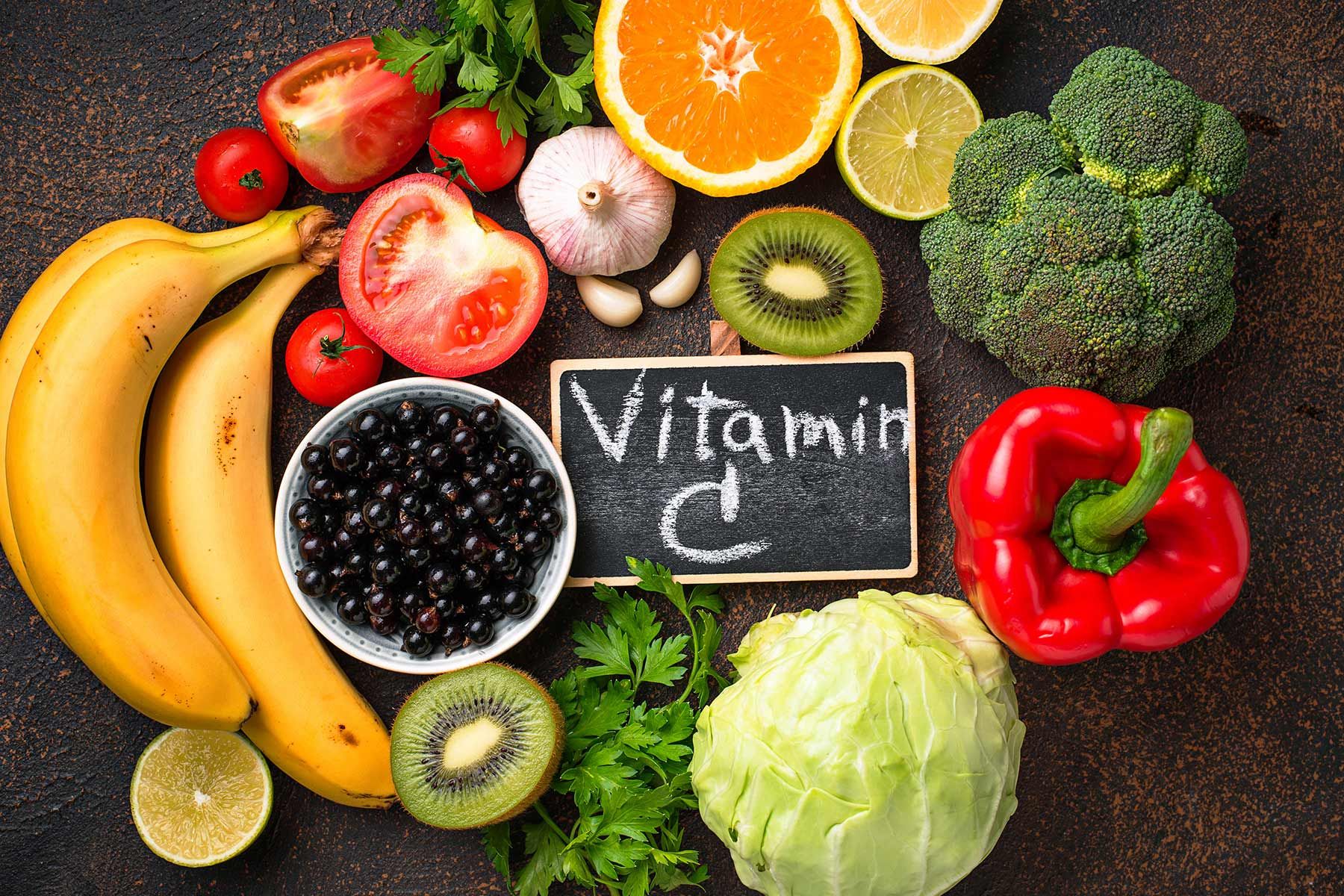
Vitamin C affects your immune health in several ways. Its antioxidant activity can decrease inflammation, which may help improve your immune function. Vitamin C also keeps your skin healthy by boosting collagen production, helping the skin serve as a functional barrier to keep harmful compounds from entering your body. Vitamin C in the skin can also promote wound healing .
Most vitamin C supplements provide a daily dose of anywhere from 250–1,000 mg, so it can be easy to exceed the limit if we are not careful. Careful to read the packaging of recommended dose to avoid overdose complications. It dissolves in water, meaning that excess amounts aren’t stored in your body but instead eliminated through your urine. Taking more vitamin C does not mean that your body is absorbing more.If you do supplement, choose a product tested by a third party and don’t take more than 2,000 mg per day.
Now a days, the social isolation and loneliness has gained attention from researchers, and the public as societies age, the use of technology increases, and concerns about the impact of loneliness on health is on growing. The Kaiser Family Foundation, in partnership with The Economist, conducted a cross-country survey of adults in the United States, the United Kingdom, and Japan.More than two in ten had the loneliness or social isolation issues go for depression in the U.K. and the U.S. In the United States (22 percent) , the United Kingdom (23 percent), Japan (9 percent) say they often or always have feeling of loneliness, companionship lacking, feeling of isolation from others, and had a negative impact on various aspects of their life.
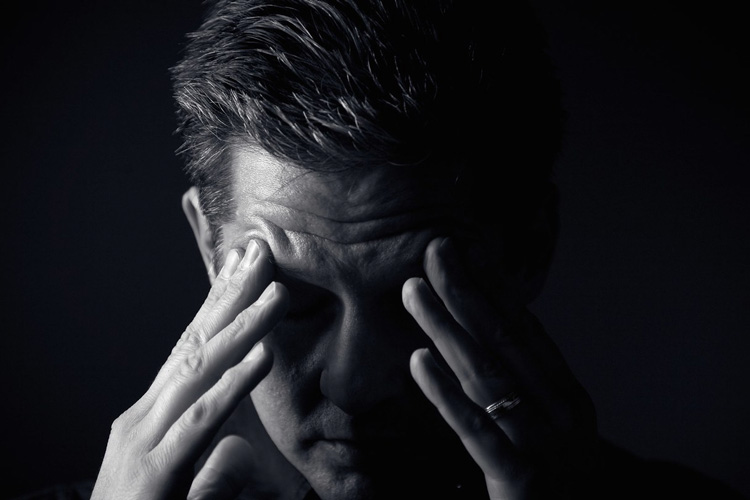
Research analyzed that people, at sudden forced to live in quarantine during COVID-19 conditions had a higher risk of anxiety, depression, anger, irritability, insomnia and post-traumatic stress symptoms. The longevity a quarantine worsens its impact on psychological well-being. Perhaps even more concerning is that the psychological strain of loneliness manifests physiologically, too. Harry Taylor, who studies social isolation in older adults, particularly in the black community, says that it’s one of the worst things that humans can do to their overall well-being, adding that “the mortality effect of social isolation is like smoking 15 cigarettes per day.” In older people, social isolation seems to exacerbate any preexisting medical conditions, from cardiovascular diseases to Alzheimer’s, but its ill effects aren’t limited to those over 60.
However, living through isolation can have a positive outcome as well, Palinkas said. It’s known as salutogenesis, and it’s the reward that comes from coping with stress and being more self-sufficient.
Breakfast, a meal that is eaten in the morning, is known as the most important meal of the day. It is a great source of glucose, which has benefits of improving one’s energy level and alertness. There are also other various nutrients that are consumed during breakfast that are required for good health Unfortunately, many people skip this meal due to reasons like being in a rush in the morning or developing a habit of skipping the meal.
Studies show when people wake up their blood sugars that are relative to body and brain function are significantly low. Those who do not decide to skip breakfast have the energy to complete tasks more efficiently. It also will prevent one form overeating on foods that are high in fat and sugar later throughout the day .
It will benefit one to be mindful of what they eat when they wake up. For example, one should try to avoid unhealthy foods like doughnuts. Foods that consist of whole grains or fruit smoothies are great for someone to start their day off with. The fiber will help them keep a feeling of being full. The carbohydrates will give them a quick energy boost, as protein will prolong their energy throughout the day.

A lot of people die every year by drinking contaminated water because in some parts of the world people do not have access to clean and purified water. Moreover by taking in account the current status of water pollution and the climate change, the condition will be even worse in upcoming years. Drinking purified water is highly important but the water bottles that contain purified water are costly, pollutes environment (since it’s a single use plastic) and are difficult to store and carry. Safe water interventions can transform the lives of millions, especially in crucial areas such as poverty eradication, improvement in quality of life and environment. A perfect solution to this is LifeStraw, which filters water by passing it through a bunch of long, hollow fibres encased in a plastic tube.
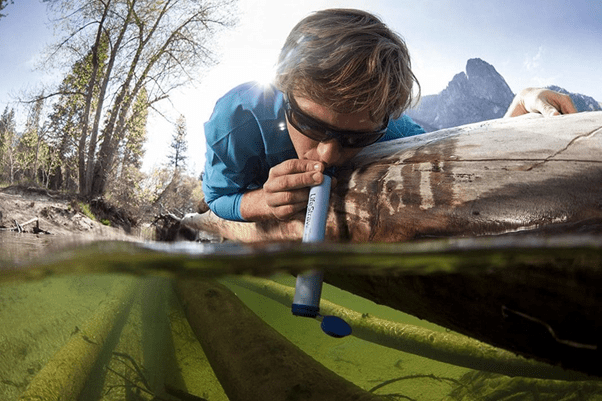
The idea was created by Torben Vestergaard Frandsen, but with time in partnership with various companies like Carter Center, Rob Fleuren from Holland and Moshe Frommer from Israel, the Lifestraw has emerged from the work designed to make water filters. It was used as an efficient tool for controlling Guinea Worm.
It has cylindrical shape having 25 cm length and 29 mm diameter and can be hung around the neck. It does not contain any spare parts or electricity supply for working.
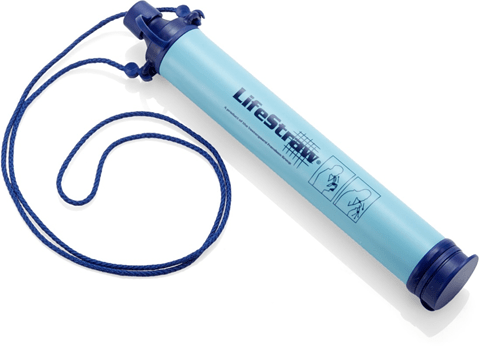
Anything larger than two microns can be removed from the water when it is filtered through LifeStraw. It can filter 99.9% of parasites and 99.9999% of bacteria, most of them cause diseases like cholera, dysentery and typhoid fever. One straw can purify nearly 4000 litres of water.
LifeStraw contains PuroTech Disinfecting Resin (PDR) – a patented, extraordinarily effective material which kills bacteria. Presence of active carbon removes parasites.
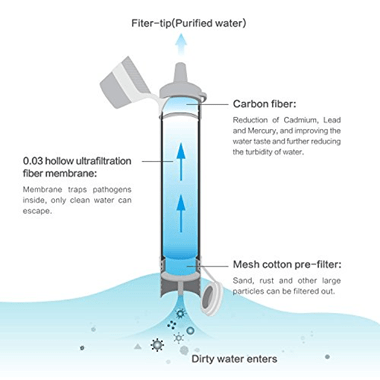
Suspend one end of LifeStraw in the water and from the other end suck water. People of any age who have capacity to suck water can use it.
Although there are various manfacturers but it costs around 15-20 dollars each.
Although it efficiently removes pollutants from water but it does not remove heavy metals. Since the level of heavy metals in water bodies is rising, modifications need to be made in the straw. Moreover, people in developing countries cannot afford it and it is not available in common stores.
Based on the principle of Lifestraw, there is utmost need to develop cost- effective straw solutions so that people in developing countries can also use it that otherwise have no access to clean water. Such a product would save millions of lives.
The wetlands cover just 5 to 10 % of the earth’s area, however they are an efficient reservoir for carbon, aid in water purification, habitat for flora and fauna, help in groundwater recharge and significantly reduce the climate change by sequestering carbon dioxide. Draining of wetlands leads to an increase in the decomposition rate of organic carbon. It further leads to release of greenhouse gasses that contribute to the climate change.
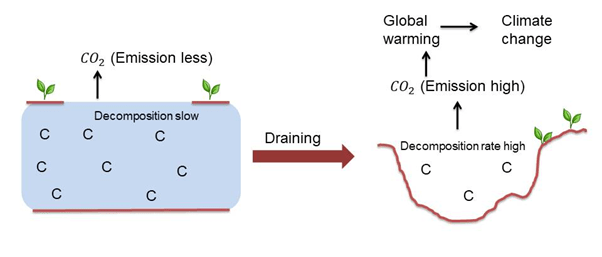
Currently wetlands are being polluted by heavy metals and other industrial contaminants that can reduce the performance of a wetland or even kill its ecosystem entirely. Therefore restoration of wetlands and improving their performance is much needed. Biochar has been proposed to act as a good source for carbon sequestration and for fast restoration of wetlands into a natural state.
Biochar is an organic carbon, has a porous structure, is rich in nutrients and has a capacity to absorb various heavy metals from the wetlands. In addition to this, it acts as an agent for carbon sequestration and leads to reduction in greenhouse gasses such as CO2, CH4 and NO2. Biochar is prepared by pyrolysis of agricultural biomass under anoxic conditions at temperature above 250˚C. Biochar binds with soluble plant nutrients and reduces leaching. The biochar can be produced from several biomasses (wood, agricultural crop residues or animal manure) through a pyrolysis process.
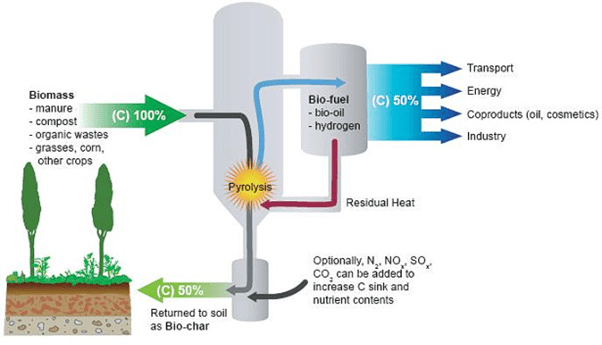
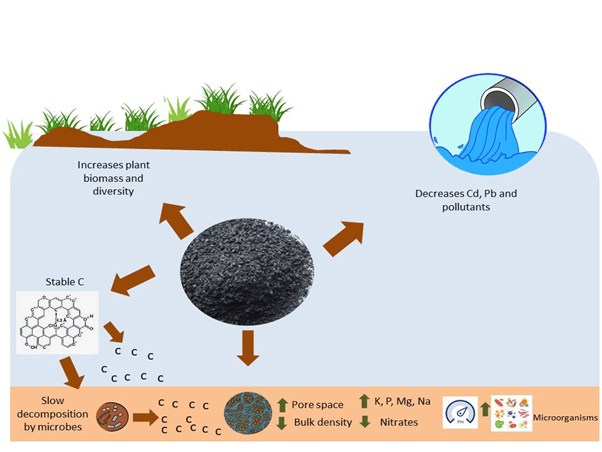
Increased soil carbon sequestration by biochar carbon (C): In a study from Japan on paddy wetlands, it was reported that application of biochar C reduced methane emission by 45.3 to 54.9%. Biochar C is not easily decomposed and therefore has slower turnover rates. The rationale for this change is that unlike labile C, biochar C is not easily decomposed and therefore has slower turnover rates.
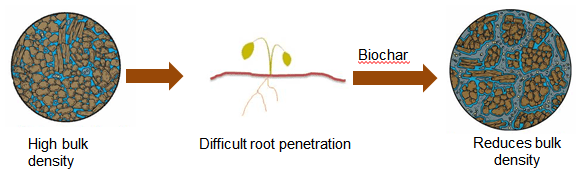
Biochar decreases soil bulk density: Higher soil bulk density reduces the root penetration and ultimately negatively affects plant growth. Though different types of biochar will affect the bulk density differently but overall since biochar has a porous structure, it helps to reduce the soil bulk density.
Biochar can affect plant nutrient bioavailability: Biochar effectively reduces the nitrate content in wetlands and ultimately denitrification. Biochar derived from swine manure, when applied increases plant nutrients like K, P, Mg and Na which are essential for the growth and development of plants. It plays an important role in reducing leaching of nutrients.
Biochar amendment increases plant biomass: Biochar positively impacts plant shoot length and shoot number by increasing it.
Biochar improves chemical, physical and biological properties of the soil: Overall biochar has a positive role in the improvement of physical, chemical and biological properties of the soil. Electric conductivity increases with the addition of biochar into the soil. Rice husk biochar has positive effects on increasing the soil pH. Biochar derived from corn straw has been demonstrated to increase the stability of soil aggregates. While, corn straw biochar has been shown to increase the population of Actinobacteria and Acidobacteria which aids in carbon sequestration.
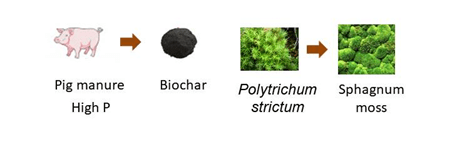
Biochar amendment of wetlands leads to an increase in plant diversity: Biochar derived from pig manure improves phosphorous content of the soil leading to growth of Polytrichum strictum which helps in establishment of sphagnum moss.
Mixed results have been observed with regards to the effect of biochar on wetland diversity. Application of various types of biochars has not been evaluated on a single wetland. Different studies have used different types of biochar. Most of the studies conducted until now are short-term studies (up to 4 months) while long-term and in-field studies are needed to capture a detailed effect on the wetland ecosystem. Most of the studies have been performed on constructed wetlands instead of naturally occurring wetlands. There is utmost need for enforcement of policies and laws to provide more funding for research regarding natural wetland restoration and remediation. More studies need to be conducted regarding the effects of different types of biochar on wetland restoration. Until now, recommendations regarding addition of soil amendments for wetland restoration are very few. Based on the literature so far, some recommendations or policy statements should be made. Furthermore, very few studies have been carried out comparing the application of biochar at different rates and in combination with other manures. There is a lack of research on the effect of biochar on the water Ph and the flora and fauna (macro and micro) of the wetland.
Literature reveals that biochar plays a role in wetland restoration. It helps in carbon sequestration, reduction in the bulk density of soil, reclamation of wastewater, reduction in heavy metal content of the soil and significantly improves plant growth and microbial population. Moreover it changes the soil pH, helps in soil aggregation, reduces emission of greenhouse gasses, improves plant diversity and reduces leaching of essential nutrients. However there is lack of comprehensive studies and recommendations on the use of biochar for wetland remediation and restoration.
This is my third year teaching and to say that it has been different is an understatement. The first nine weeks of this semester was one for the books. With sicknesses, weather, and now the quarantine, I didn’t realize what little time I had with my students this semester. But with that little time, what an impact they have made on me.
This year as a whole has been trying. As a new mom, trying to juggle it all along with graduate school, has been nothing short of challenging. I lost sight of what it meant to love my students. I was just going into the classroom to get the job done and not really focusing on the lives that I was seeing every day. It wasn’t until an incident happened with my students that my eyes were finally opened.
After that day, I saw the students as a child in my class with backgrounds, feelings, and most of all as themselves. I have students with heartbreak, broken homes, raising their siblings, sleeping on the floor so that their smaller siblings can get a good night’s sleep in a bed. I have students with medical problems and mental problems.
So what?
We as educators have to see the student as a child in our class. Look at them like they are your own. See what is inside of them and what is making them tick. Are they hurting? What can I do to help them? This is a burden that I carry with me every day. I would cry over a student while putting my own sweet girl down to bed. We have taken their battles home with us. During this time remember your educators. Remember that they still care for your kids. Remember that they are still there.
I pray that next year will be different. I pray for normalcy in our days. Take this time to love your families and take care of yourself.
Tomorrow will come and we will get to see those smiling faces again. Until then, I wish for a better school year for everyone involved.
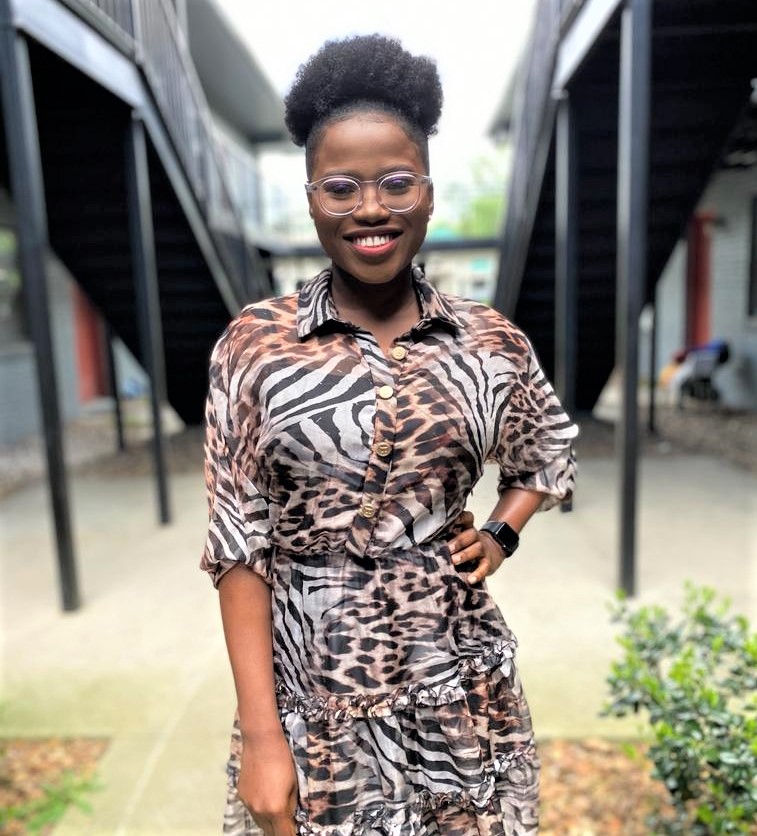
My motivation for writing this post is due to a comment from my colleague during our monthly lab group meeting. In her words “Precious, I am jealous by how much progress you made this month” I know she meant, she was motivated by my productivity despite the pandemic situation we are in right now. This is a big deal to me considering the overwhelming challenges I faced this past month, from my phone crashing to my laptop screen going bad two days to my exam and preparing for the final examinations and meeting up with research expectations.
Life will always be plagued with different situations that will propel us to adjust our ways of life to meet the given circumstance. One of such is this COVID 19 pandemic. I will be narrating how I maintained productivity despite the challenging times.
It is not uncommon for you to see individuals posting about boredom with nothing to do on their social media handles. However, this is not the case for me as a first-year graduate student, as I have been saddled with so much work that I stay up till about 2 – 3 am about 5 times a week since I started working from home, to meet up with my responsibilities.
The lockdown, in my opinion, has made me more productive, compared to when I had to go the lab and also take classes till late in the evening because at that time I would be exasperated from work activities and not have the strength to stay up so late except for days where I had no evening class. Some of the things that have helped me stay productive during this time is sticking to my previous schedule before the stay at home directive. As such when I wake up, I take my bath first in the morning, as I would regularly do. I continued to meal prep once a week, so I don’t have to spend time cooking every day. I also did my laundry and regular cleanup of the house once a week. I noticed I was very productive on weekends if I did not engage in house chores and meal prepping. So, I started doing my chores and meal prepping on a weekday preferably Tuesday evening after classes, you can decide whatever suits your needs. I also shopped for groceries once in two weeks and was passive on social media as I did not want to be distracted. However, I kept in touch with friends and family, I never missed anyone’s birthday and spoke to my mum every day. Even though I was practicing physical distancing I was not social distancing to keep my mental and emotional state in check. In approximately two months of staying at home, I have become good at R and SAS software for data analysis, I have made substantial progress with my research, completed a project report and my productivity was evident in my progress report and evaluations. Of course, my progress was also amplified by the support of family, friends and my amazing instructors from my one on one independent study sessions with Dr. Reginald Archer at Tennessee State University who always gave me life changing advice every week, and to the very innovative Research methods class instructor, Dr. Jason de Koff, whose class was very enlightening and motivating.
I hope sharing my schedule would give you a guide on how to plan your schedule to suit your lifestyle, so you become productive.
#Stay safe
On April 16th, Boston University was the first US university to announce that it will postpone its Fall semester until January 2021, according to Forbes. This announcement came as a shock to many as it was the first example of what the new face of higher learning will be in the future.

I’m now forced to think about the future of my graduate studies and admissions of incoming undergrad and graduate students to TSU or any college. I had the chance to talk with the Dean of Graduate Studies at TSU about the future of admissions recently, and it was stated that the school is in preparation to make sure that all classes can be taught online for the fall semester. I didn’t get the chance to ask about undergrad and on-campus housing, but I did ask if admissions are going down due to the pandemic. She informed me that the school is waiving both SAT/ACT scores for undergrads and GRE scores for incoming graduate students.
I think this is a beautiful accommodation given the circumstances, but what happens when we get over the pandemic? Will the school go back to requiring entrance exams, or will they see that maybe these exams are obsolete and not needed? If the school does go back to using the entrance exams, will this be unfair to that particular cohort? These are all major things to consider from the administration side.
As an ex-student athlete, my heart goes out to the high school seniors that may have previously committed to play a sport at a university this upcoming year. Most of our fall sports start training the summer before the first semester. I’m no longer in the college sports world, but I wonder if these students will still be able to keep their athletic scholarships. Also, most college athletes have to adhere to the regulations set forth through a clearinghouse, and usually, you are only allowed one year to redshirt and four years to play on the collegiate level. Would it be fair to force an automatic redshirt year to the incoming freshmen and returning athletes, or would it more sensible to not even consider this year eligible for play?

This virus has touched so many aspects of our lives. I’m hoping that the traditional four-year school will not fall by the wayside due to lowered admissions or because of the lack of “college experience.” Nothing is more heartbreaking than seeing the class of 2020 not be able to enjoy the standard traditions of their senior year: no prom and no official commencement. I saw a video today where a high school principal printed large yard signs for each graduating senior and then drove around to each of their homes to present the sign in their front yard. Accompanying him was a firetruck full of firefighters and a police sheriff who all congratulated the senior (from a safe distance). He did this for every single senior in his school. If may not have been an official graduation but I’m sure that display of effort to the student would be an everlasting memory.
![How-To Guide] Planning for a Virtual Graduation | Edmentum Blog](https://blog.edmentum.com/sites/blog.edmentum.com/files/styles/blog_image/public/images/ED-Shutterstock_226881610.png?itok=DDFt814N)
I’ve mentioned in other posts that I like to look at the bright side of things, and I think there may be a positive side to universities going entirely online. Albeit, I hope we will return to the classroom at some time, but I think this was a push for good and the future of education. Having all of our classes forced online allowed both professors and administrators to see that despite previous friction from instructors about going online, it is a possible task to fulfill. I also asked the Dean how online classes would work for the sciences, especially for biology or chemistry labs. I’m under the impression that a student will need to go into the lab and run the experiments to have hands-on experience. She told me that they would have “virtual labs.” She also mentioned how some medical schools have already started to implement virtual reality 3D labs for their anatomy classes and that TSU can do the same.

The use of virtual labs is not ideal for graduate studies in agriculture or any other science, but it is nice to see this is an option. I would love to take a virtual reality biology class. I think professors should embrace the change. It just maybe for the better.
I have been studying the effect of climate change on soil microbial activity for a few months now, so I thought to share the importance of soil microbial communities in food systems so you can understand its relevance even without being a scientist.
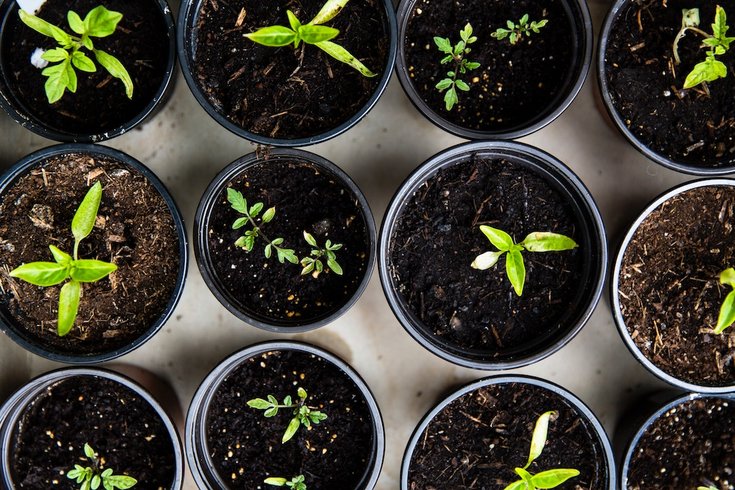
Microbes have existed for over 3.5 billion years. There are five major kinds of microbes; bacteria, algae, fungi, protozoa, and viruses.
Studies have shown that soil microbes contribute to soil fertility. The decomposition of dead plants and animals is due to the below-ground activity of microbes such as bacteria and fungi. The products of this process are the topsoil, minerals, and nutrients, which become available to other animals and plants.
Studies have also shown that declining human health and poor nutrition in the United States are related to nutrient-deficient foods produced on soils of poor health. Soil microbes are important for the development of healthy soil structure, and they produce substances that help cement soil aggregates and help to maintain the functional capacity of both agricultural and natural ecosystems
Soil microbes such as bacteria and fungi form symbiotic relationships with plant roots to exchange nutrients, thus improving resilience of plants to pests and disease.
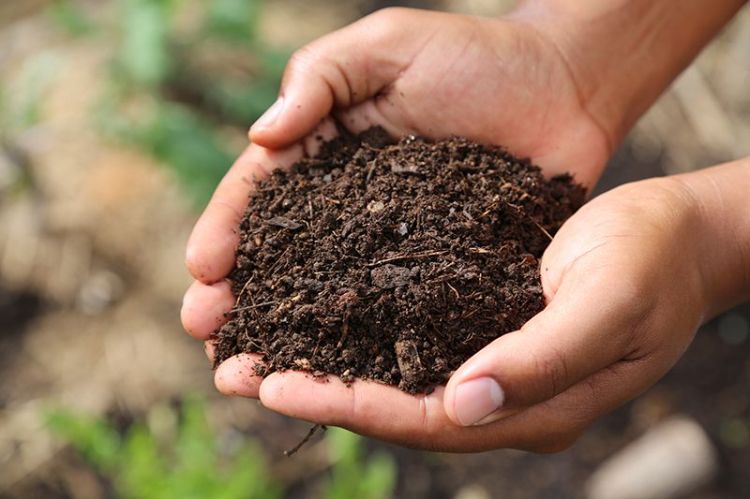
Soil microbes also provide ecological services such as climate regulation, by sequestering carbon which is a significant way of reducing atmospheric greenhouse gasses such as C02 and help to reduce the impact of greenhouse gas-induced climate change. This is based on the fact that the soil houses the largest carbon pool in the terrestrial biosphere.
Overall, soil microbes aid vigorous plant growth via nutrient cycling as mentioned earlier; decomposition of organic substances leading to soil organic matter and aggregate formation; protection from plant pathogens; and synthesis of plant growth-regulating compounds for root growth stimulation and vegetative production.
We are undoubtedly in unprecedented times, and there is no escaping that our lives have been wholly consumed with news and regulations concerning COVID19. I’m at awe at how this outbreak has touched so many portions of our lives. I try to look at the bright side of everything; even in tragedy, there is always a positive glimmer of hope that helps me remain optimistic.
The coronavirus outbreak originated as an epidemic in China. There are tons of speculations and accusations about its origin. Many wonder whether Chinese officials were forthcoming with the information about the virus in the beginning stages. This mystery may go down in history along with other famous unsolved phenomena such as “who built the pyramids” or “who killed Jon Benet Ramsey?” Whatever the origin may be, the facts remain that we are now experiencing a pandemic that most have never experienced before in their lifetime. When I think of the word “outbreak,” the first thing that comes to mind is the outbreak of Ebola in Zaire and Sudan.

But even that was on an epidemic level, not a pandemic level. Now we are facing not only a medical war but an infowar.
The introduction of the internet was thought to bring with it access to education and a means to transmit information to everyone. I’m sure Al Gore had no idea that the world wide web initiative he spearheaded would turn into a conduit of extreme misinformation. There are levels to the brevity of misinformation out there, ranging from the news outlets to online spoof websites that seem credible to online influencers. But most dangerous of them all is the “troll” community. The troll community consists of any individual who purposedly releases false information wrapped around a little bit of truth with the sheer objective to see how many shares and likes they can get. We are living in a world of “viral addiction” where those in the troll community either overlook or simply don’t care about the repercussions of their actions.
The most vulnerable audience for misinformation of medical information is divided into two categories; “the conspiracy theorists” and “the uneducated/ignorant.” The conspiracy theorists are the more dangerous of the two being that many on the uneducated side simply have not been exposed to this knowledge, and in some cases, they are willing to learn. In other cases, they are easily swayed by the teachings of the conspiracy theorist and spoof websites. Unfortunately, COVID19 has provided a myriad of avenues of misinformation. Trolls have conjured up theories about 5G towers causing people to get sick and not the virus. People are dismissing the virus as a “simple flu.” Some people have self-diagnosed themselves as being “healed” or “survived corona” because they were sick with respiratory issues in October of last year. Some have even gone so far to argue that the quarantine is a way to allow Bill Gates to microchip us with a mandatory vaccine. The theories are all over the place.
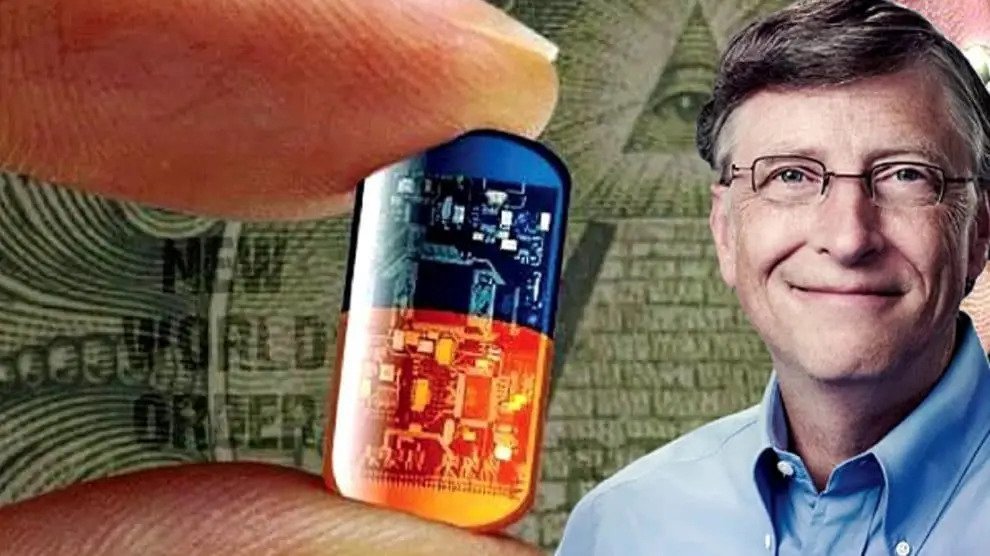
All of these categorizations are my personal opinions from my own interactions. I see this rhetoric daily as I have a social media platform (and do guest experiences on radio shows and podcasts). I’m in complete and utter awe at the level of misinformation out there, and I genuinely believe the virus would not be at a pandemic level if we didn’t have so much misinformation on the internet. Of course, there is another cause for the high infection numbers in the US, and it can be traced back to how our government handled the information and ignored warnings from scientists in the beginning. However, this is not the platform to get into a political debate. The issue remains that we are fighting two wars simultaneously, and the covid19 war can easily be defeated if we attacked the infodemic war first.


 AGSC 5110 Research Methods