The evolution of the pandemic during the coming days and weeks will be crucial, and its impact on the economy or the agricultural sector will very much depend on the time needed to stop the spread of the deadly virus.
Assessing the impact on the agricultural sector is therefore premature, speculative at this stage and will depend on how long the health emergency lasts and restrictive measures remain in place before businesses can resume normal operations.
Learning from the past and similar Public Health emergencies, restrictions on the movement of goods and people can have significant socio-economic repercussions on people’s livelihoods, going beyond the direct impact on health, and affecting the most vulnerable groups. While these restrictions are necessary to limit the spread of a disease, they often lead to disruption of market chains and trade of agricultural products with significant potential impacts on the populations that depend on them for their livelihoods and their food and nutrition security.
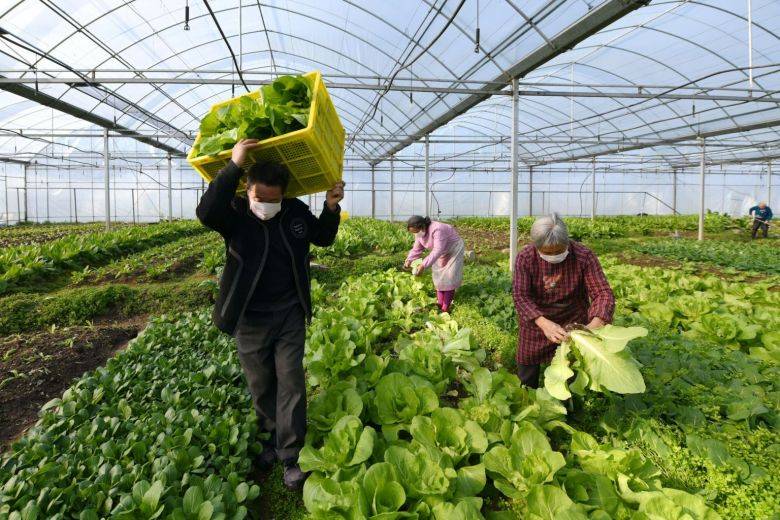
A large proportion of the agricultural sector including horticulture, pork and grain sectors use seasonal workers or backpackers to harvest crops. As a result there are risks to the sector’s workforce security should the travel restrictions increase.
Production of staple food crops such as wheat, rice, and vegetables will be affected if the outbreak continues into the critical spring planting period as it is unclear if agricultural inputs can be distributed in time for spring planting.

The 2014 Ebola epidemic led to an increase in abandoned agricultural areas and reduced fertilizer use in West Africa. If staple food production is affected, the impact on food security could be grave.
Domestic and international trade disruptions may trigger food market panics. During the 2003 SARS outbreak, panic-buying of food and other essentials hit many places in China and is evident over the media with respects to COVID-19. Any panic would exacerbate temporary food shortages, lead to price spikes, and disrupt markets. If left unchecked, food panics can spread and threaten broader social stability.

The USDA have been asked the following questions :
Q: Can I become sick with coronavirus (COVID-19) from food?
A: We are not aware of any reports at this time of human illnesses that suggest COVID-19 can be transmitted by food or food packaging. However, it is always important to follow good hygiene practices(i.e., wash hands and surfaces often, separate raw meat from other foods, cook to the right temperature, and refrigerate foods promptly) when handling or preparing foods.
Q: Is food imported to the United States from China and other countries affected by COVID-19 at risk of spreading COVID-19?
A: Currently, there is no evidence to support transmission of COVID-19 associated with imported goods and there are no reported cases of COVID-19 in the United States associated with imported goods.
Q: Are food products produced in the United States a risk for the spread of COVID-19?
A: There is no evidence to suggest that food produced in the United States can transmit COVID-19.
Q: Can I get sick with COVID-19 from touching food, the food packaging, or food contact surfaces, if the coronavirus was present on it?
A: Currently there is no evidence of food or food packaging being associated with transmission of COVID-19. Like other viruses, it is possible that the virus that causes COVID-19 can survive on surfaces or objects. For that reason, it is critical to follow the 4 key steps of food safety —clean, separate, cook, and chill.
 AGSC 5110 Research Methods
Well written Jesse!
LikeLiked by 1 person
Thank you.
LikeLiked by 1 person
You bring up some interesting points! It will be a while before we understand all of the broad ramifications this thing will have.
LikeLike
Agriculture has been significantly impacted by Covid-19.
LikeLike