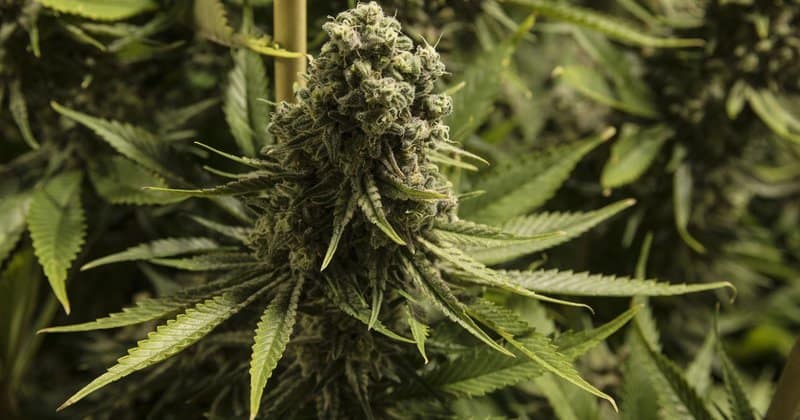
It is every science researcher’s worst nightmare, being “scooped” by another research lab. I am not referring to endless Ben and Jerry’s scoops but rather when the research project you have proposed or are currently working on ends up being published out the blue by another research lab. It is a feeling that makes any graduate student and professor stomach drop just at the mere thought. How do I know? It has happened to me…TWICE; once in 2010 while working on my Masters and the latest happened in August 2019. Was it devastating? Absolutely! It almost makes one want to quit science. Well, I DID “quit science” right after I was scooped, but that is a story for another blog entry (wink wink).
So what happened and how does one jump back from the feeling of having their research stolen. I want to iterate here that being scooped usually not the result of having your research stolen, albeit ideas can be maliciously borrowed. However, it is typically the result of multiple labs working on the same hot topic. I do not want to discuss the first time I was scooped right now because I was an emotional wreck, and plus, it was in the field of pharmacology, and you guys probably do not want to hear about that stuff. So let us talk about my most current “Scooping” since it is centered around agriculture. I was scooped on my Ph.D. project involving the identification of plant growth-promoting rhizobacteria for Cannabis. Let’s take a moment of silence for this remarkable research that I SHOULD be doing right now…

Cannabis production is drawing widespread attention due to recent state legalization statures, decriminalization as well as it uses as food, fiber, medicine, and as a recreational drug. Just like any other plant, it is susceptible to plant diseases and pests. High yield and minimal crop loss is the goal of any grower for any crop. Larger, faster-growing plants that are free of disease spells out substantial profit margins for tomatoes, grapes, oranges, leafy vegetables, and now, Cannabis. In order to achieve this, growers use different kinds of fertilizers and pesticides. There are growing concerns about pesticide use in agriculture, and many commercial synthetic pesticides are only approved for use on certain crops. So, where does this leave the Hemp industry?
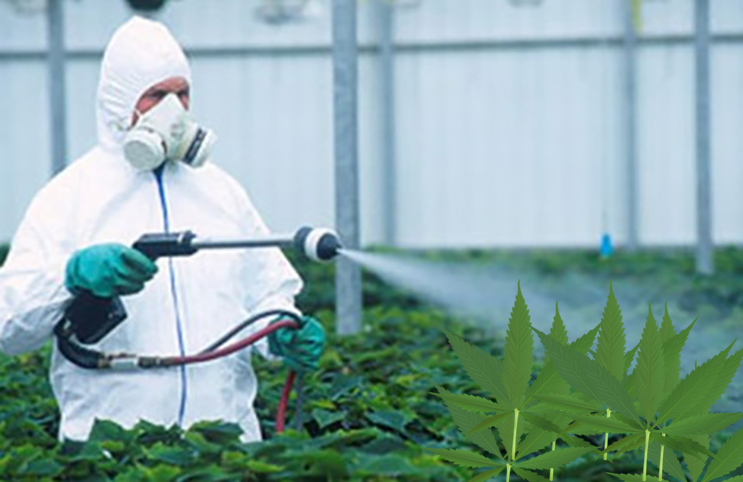
Despite there being stringent regulations concerning the use of pesticides on cannabis, independent labs are still confirming the presence of pesticides from dispensaries. Recently, Steep Hill Labs tested cannabis samples from 15 different dispensaries in California, and 93% tested positive for pesticide. These data pose a wide array of cautions for the consumer, especially the medical consumer. Due to the stringent regulations surrounding pesticide use in cannabis, biological control using naturally occurring bacteria is becoming more and more interesting.
My research lab at Tennessee State University (Dr. Mmbaga lab) has shown that the use of such bacteria to not only promotes growth but also offers plant protection against devastating slime molds such as Phytophthora and powdery mildew in crops such as tomato, sweet pepper, and cucumber. These same diseases affect Cannabis, and my Ph.D. project was centered around the biochemical analysis of biological control agents (rhizobacteria) on Cannabis. But then this happened…
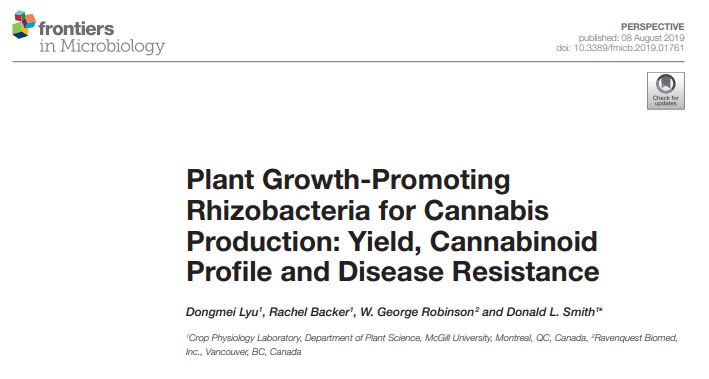
The publication even lists the same types of bacteria I am using. So what is next? What do you do when your research proposal is swiped away? You have several options here. You can drink a few glasses of Gentlemen Jack Daniel’s and take a few days off. Maybe you decide to keep the same general idea but make tweaks in the proposal that will afford an innovative perspective to your research. Alternatively, you can quit and look for career alternatives. I did two out of the three mentioned suggestions. Can you guess which ones?
Have you ever had your research “Scooped?” If so, how did you handle it? How will you handle it in the future if it happens to you? Does presenting too much data at a conference open you up to being Scooped? We will find out on the next episode of “As the Ph.D. World Turns.”

The most ironic thing of this entire subject if that my nickname is “Scoop.” How fitting is that?!?!?!
 AGSC 5110 Research Methods
You have written this blog in a really impressive language. Just do not worry about the research being yanked away, stay positive.
LikeLiked by 1 person
Wow, that’s something! I hope you were able to tweak things so you don’t have to change too much.
LikeLike