The Big Enchilada of Mine

Hi everyone, this is Anjali. After a long thinking process. I have decided to start my first blogging by introducing my hometown which I miss a lot right now and a place one must visit to enjoy their holidays.

I am a graduate student in United States, came from the land of cultural diversities, India. I belong to the southernmost part of India. The eye caching scenery of the land and the unique climate gave my state the title “Gods own country”, Kerala. Also, the variety of spices and dishes of Kerala gave the crown “Land of spices” as well.

My hometown belongs to one of those most tourist spots in Kerala, its Alappuzha (A town with canals, backwaters, beaches, and lagoons, Alappuzha was described by Lord Curzon as the Venice of the East ). When you drive through the National Highway 47 here comes our lovely Mararikulam. People here makes the slogan of India “Guests are to be treated as Gods”, true.
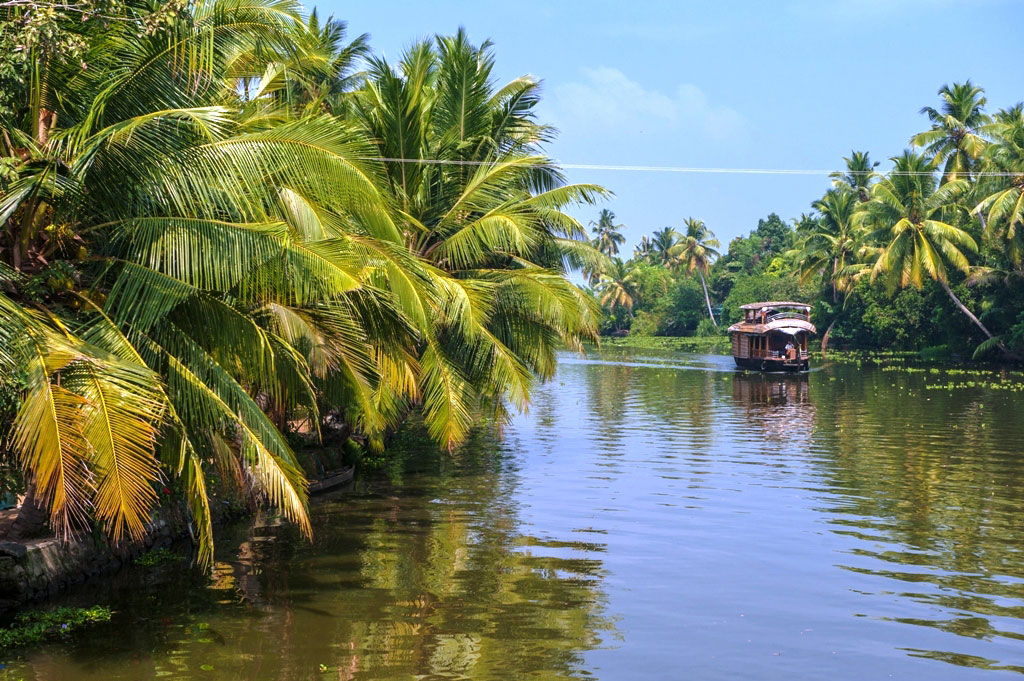
Venice of the East – Alappuzha

The unique thing which we can enjoy in Mararikulam only is the festival that happens during the month of February, in our one and only Mararikulam Mahadeva temple, land of lord Shiva (Hindu God). The temple in Kerala holds festivals on specific days of the year. It’s not just the festival of a specific religion but the festival of Mararikulam. A common characteristic of the festival here in this temple is the hoisting of a holy flag which is brought down on the final day of the festival followed by immersing the deity in Arabian Sea (Marari beach). Other attractions are the Elephants, firework displays and huge crowds who are not just devotees of him (Lord Shiva) but a great fan of our Lord who is the hero of our land. When we say ‘Mahadeva’ it’s a feeling, a love which has nothing to compare with. The stubborn belief that he is holding our hands gives the confidence to each and everyone over there to say “Hey problem, Try Me! Instead of Why Me?”.

The idol in the temple is taken out on a procession around the countryside on top of elephant. The procession includes Various art forms like Velakali, Mayura nirtham, Vaypaatu, Thalapoli and many more. The major highlight is that when the procession visits homes around the temple, people of all religions will usually offer rice, coconuts, and other offerings.

Procession also includes traditional music such as Panchari melam or Panchavadyam and Chenda melam also.

I know this page is not enough to describe the beauty and all attractions of Our Mararikulam. The unique Marari beach, finger licking traditional foods, arts, home stays, house boats and what not! It is one among the must visit places in Kerala, India. Those who plans a trip to India try visiting our Mararikulam during February, enjoy the festival and experience the unconditional love, affection and hospitality of us.
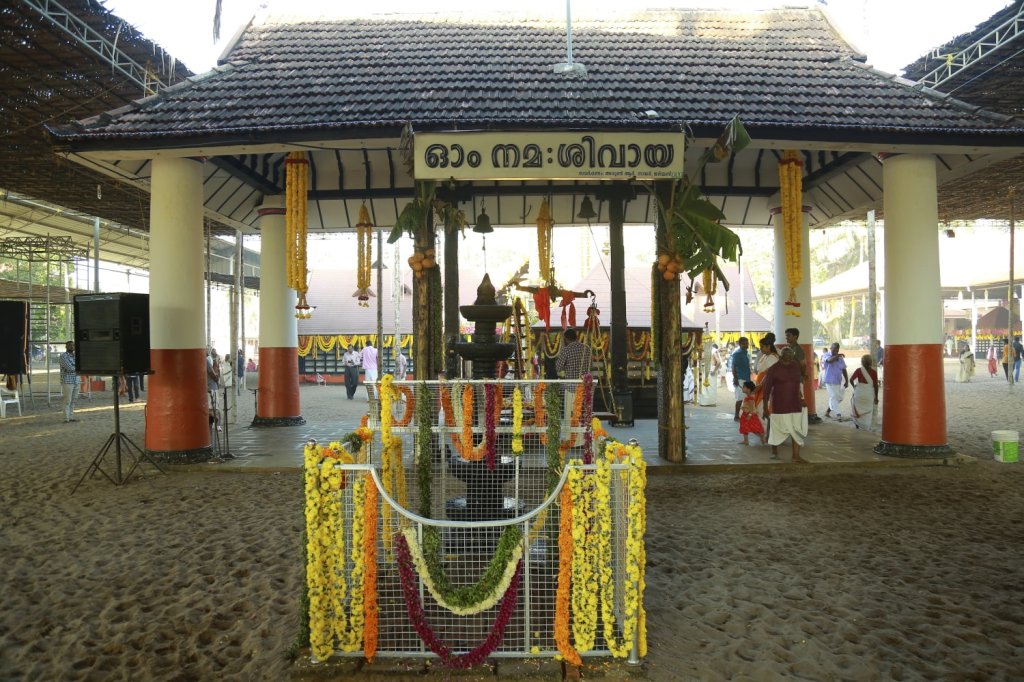

Entrance of Mararikulam Mahadeva Temple
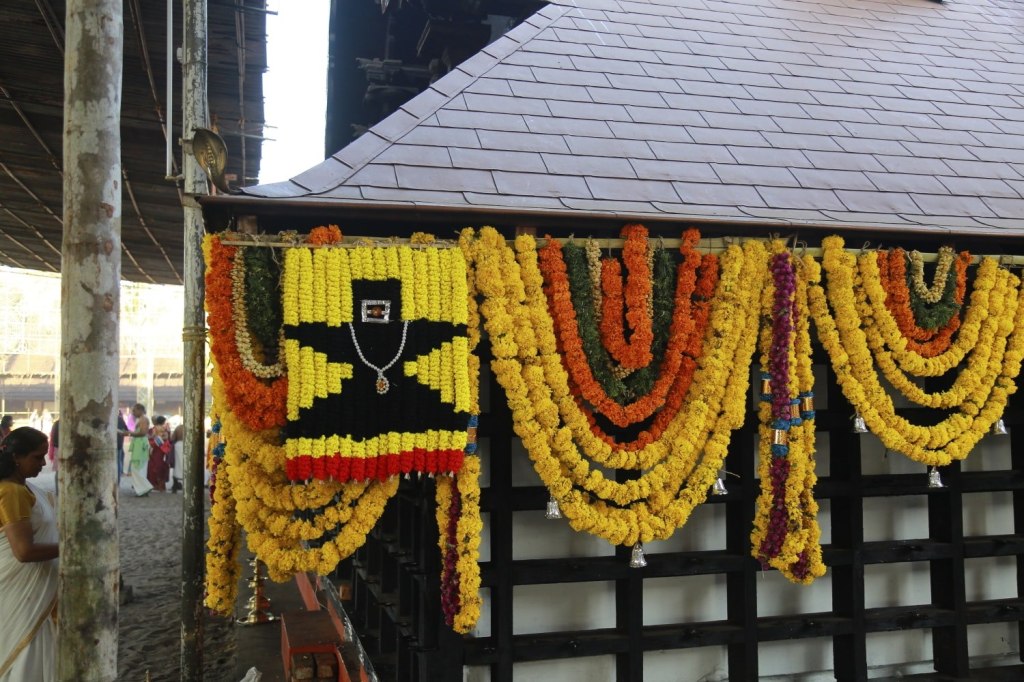
Flower decorations in Temple during festival – At Mararikulam Mahadeva Temple
Kathakali – Art form of Kerala – Depicting story of Lord Shiva- At Mararikulam Mahadeva Temple
Shivaratri festival- At Mararikulam Mahadeva Temple
Chenda melam-Traditional Music- At Mararikulam Mahadeva Temple
Idol on Elephants during Festival at Mararikulam Mahadeva Temple
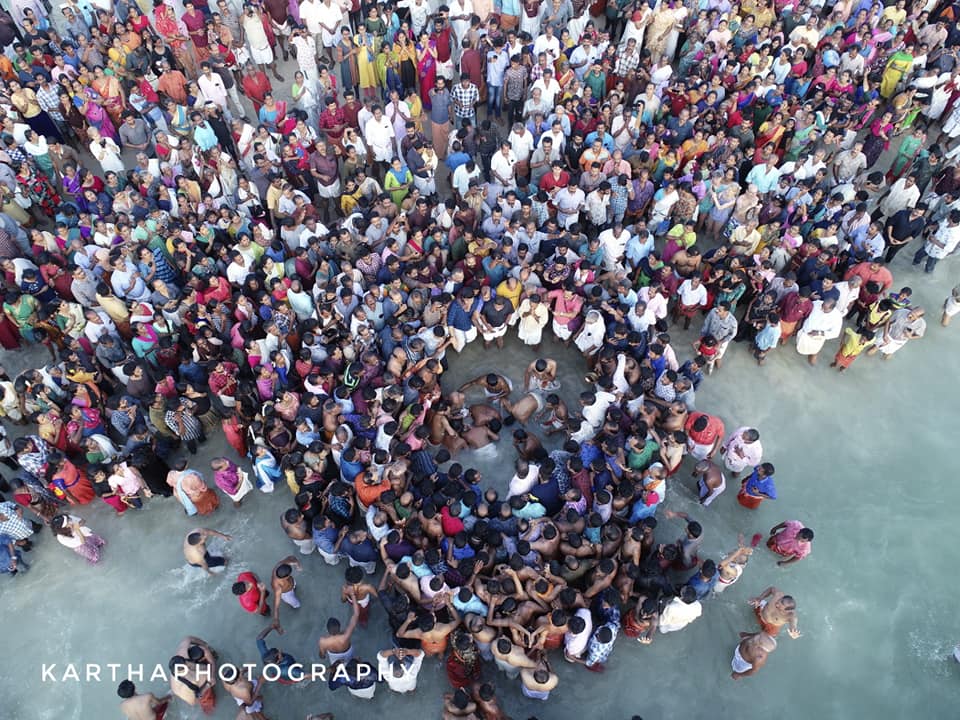
Devotees of Mahadeva- at Arabian sea (Marari Beach)
Idol of Mahadeva immersing in Arabian Sea (Last day of the festival in Mararikulam Mahadeva Temple)

Picture Courtesy: Kartha Photography
“Scooped”:The fine art of dealing with your research being yanked away

It is every science researcher’s worst nightmare, being “scooped” by another research lab. I am not referring to endless Ben and Jerry’s scoops but rather when the research project you have proposed or are currently working on ends up being published out the blue by another research lab. It is a feeling that makes any graduate student and professor stomach drop just at the mere thought. How do I know? It has happened to me…TWICE; once in 2010 while working on my Masters and the latest happened in August 2019. Was it devastating? Absolutely! It almost makes one want to quit science. Well, I DID “quit science” right after I was scooped, but that is a story for another blog entry (wink wink).

So what happened and how does one jump back from the feeling of having their research stolen. I want to iterate here that being scooped usually not the result of having your research stolen, albeit ideas can be maliciously borrowed. However, it is typically the result of multiple labs working on the same hot topic. I do not want to discuss the first time I was scooped right now because I was an emotional wreck, and plus, it was in the field of pharmacology, and you guys probably do not want to hear about that stuff. So let us talk about my most current “Scooping” since it is centered around agriculture. I was scooped on my Ph.D. project involving the identification of plant growth-promoting rhizobacteria for Cannabis. Let’s take a moment of silence for this remarkable research that I SHOULD be doing right now…

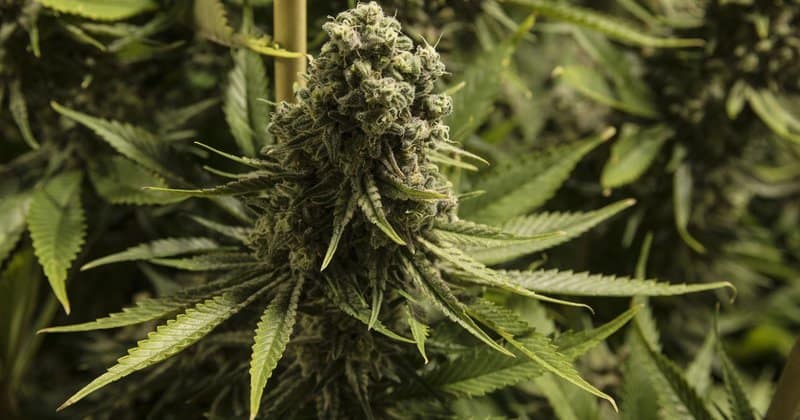
Image result for cannabis
Source: https://globalnews.ca/news/4309415/health-weed-canada-legalization/

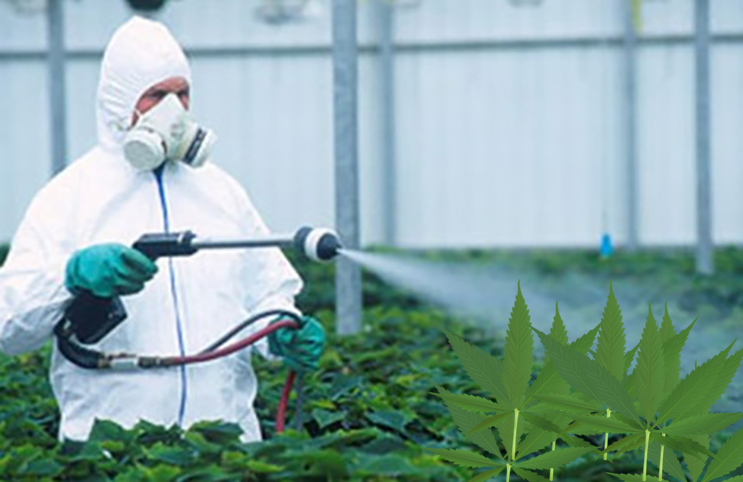
Cannabis production is drawing widespread attention due to recent state legalization statures, decriminalization as well as it uses as food, fiber, medicine, and as a recreational drug. Just like any other plant, it is susceptible to plant diseases and pests. High yield and minimal crop loss is the goal of any grower for any crop. Larger, faster-growing plants that are free of disease spells out substantial profit margins for tomatoes, grapes, oranges, leafy vegetables, and now, Cannabis. In order to achieve this, growers use different kinds of fertilizers and pesticides. There are growing concerns about pesticide use in agriculture, and many commercial synthetic pesticides are only approved for use on certain crops. So, where does this leave the Hemp industry?

Despite there being stringent regulations concerning the use of pesticides on cannabis, independent labs are still confirming the presence of pesticides from dispensaries. Recently, Steep Hill Labs tested cannabis samples from 15 different dispensaries in California, and 93% tested positive for pesticide. These data pose a wide array of cautions for the consumer, especially the medical consumer. Due to the stringent regulations surrounding pesticide use in cannabis, biological control using naturally occurring bacteria is becoming more and more interesting.

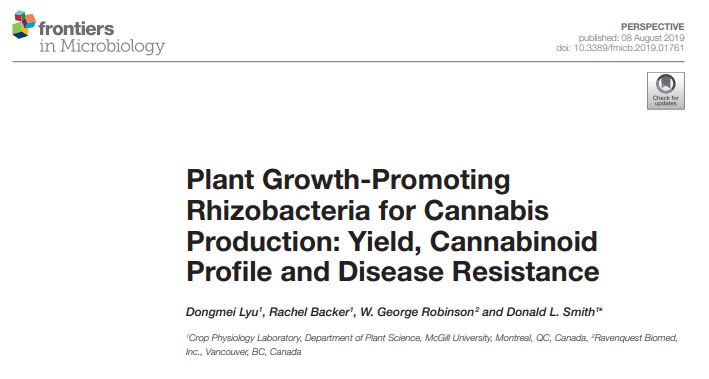
My research lab at Tennessee State University (Dr. Mmbaga lab) has shown that the use of such bacteria to not only promotes growth but also offers plant protection against devastating slime molds such as Phytophthora and powdery mildew in crops such as tomato, sweet pepper, and cucumber. These same diseases affect Cannabis, and my Ph.D. project was centered around the biochemical analysis of biological control agents (rhizobacteria) on Cannabis. But then this happened…

The publication even lists the same types of bacteria I am using. So what is next? What do you do when your research proposal is swiped away? You have several options here. You can drink a few glasses of Gentlemen Jack Daniel’s and take a few days off. Maybe you decide to keep the same general idea but make tweaks in the proposal that will afford an innovative perspective to your research. Alternatively, you can quit and look for career alternatives. I did two out of the three mentioned suggestions. Can you guess which ones?

Have you ever had your research “Scooped?” If so, how did you handle it? How will you handle it in the future if it happens to you? Does presenting too much data at a conference open you up to being Scooped? We will find out on the next episode of “As the Ph.D. World Turns.”

Image result for cannabis world

The most ironic thing of this entire subject if that my nickname is “Scoop.” How fitting is that?!?!?!

Eat Your Spoon and Save the Environment

Use of plastic cutlery is very popular all round the world, either there is a party or while having food outside, we use plastic cutlery most of time.

Why?

Just because it is easy to throw, cheap to buy and easily available.

But we don’t think about the adverse effects of plastic on human health and environment. Plastic takes 10-1000 years to decompose and releases chemicals like Lead, Cadmium and mercury directly into the food packed in them and effects human health in negative manner like causing endocrine disruption, which can lead to cancers, birth defects, immune system suppression and developmental problems in children.

A good Alternative

Although plastic is being  replaced by paper which decomposes easily but paper production is causing deforestation. A good alternative to this is eatable cutlery which is developed  by Peesapaty, an agricultural scientist  from India.

Edible spoons

He created spoons that are eatable, either we can eat them or after having food just throw them in the dustbin, they decompose easily. These spoons are made of Millet flour, Rice and Wheat. He produces 10,000 spoons a day using 500 Kg of Millet flour. Same amount of Rice flour and Wheat flour can be used for preparation. Each spoon costs four rupees. They told that these spoons taste like crackers. Millet consumption has been reduced drastically for past few years, farmers have stopped growing it due to low market price. This practice can increase millet production and will profit millet market. These spoons have shelf life for 3 years.

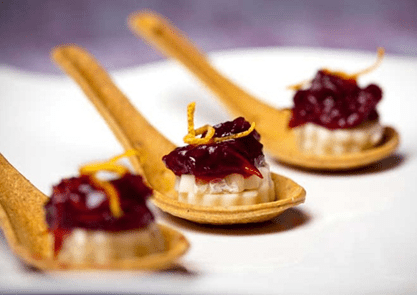
Spoons carrying dessert

Benefits

  • It is an environment-friendly option.
  • Spoons are nutritive and tasty.
  • It will provide employment to many people.

What more can be done?

  • More variety of flavours can be introduced.
  • Plates and glasses can also be created but there will be a problem of hygiene, more research is needed in this field.

I wish that all of us use these environment friendly options and try to develop more to save environment.

Biogenic Amines on Food Safety

I think when we talk about the safety of foods Biogenic amines plays a vital role. Among the food, polyamines are ubiquitous substances considered to be bioregulators of numerous cells functions and are involved in tissue repair and in intracellular signalling. Although many biological functions have been attributed to polyamines, high levels of these compounds in foodstuffs can have toxicological effects; however, no safe level for the intake of polyamines in a diet as yet been established.

The goal of food safety is to prevent food from becoming contaminated and causing food poisoning in a way to best reduce the risk of individuals becoming sick from foodborne illnesses.

Biogenic amines are biologically active compounds which are sources of nitrogen that exhibit critical roles in human and animal physiological functions and brain activity, which comes out due to microbial decarboxylation of amino acids.

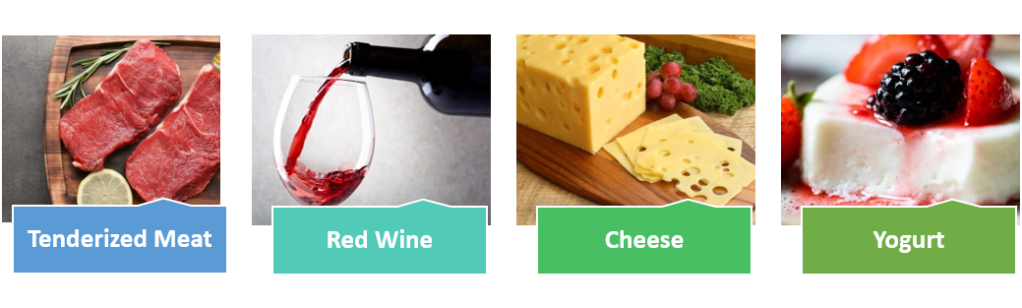
Scientists have reported the occurrence of biogenic amines in a wide variety of fermented foods such as fish, meat, diary, chocolate, fruits, vegetables, ready to eat baby foods, coffee, tea, soybeans, wine, alcoholic beverages and vinegar as well. 

The beneficial effects of including fermented foods in diets are well known. During fermentation the biologically active peptides which are well known for their health benefits are being produced by the beneficial bacterias. As a result, fermented foods helps in lowering blood pressure effects, increases the bioavailability of vital minerals from gastro intestinal track and also offers antioxidant, antimicrobial, antiallergenic, antidiabetic, and anti-atherosclerotic activity.

But over fermentation, improper storage and processing conditions of these fermented foods leads to the accumulation of biogenic amines in these foods.

Studies have revealed that the major area of cancer therapy research is based on the inhibition of the biosynthesis of these amines in tumor patients. It is not dangerous if the concentration of the average biogenic amines consumption in the diet is low, but the adverse effects like hypotension (caused by histamine, putrescine, cadaverine), hypertension (caused by tyramine), migraines (caused by tyramine, phenylethylamine), nausea, rash, dizziness, increased cardiac output, increased respiration and other toxicological effects can result at higher concentrations. Hence the determination of biogenic amines in food products is critical to assess potential health risks before consumption and thus makes it necessary to control its amount in food stuffs.

Commonly consumed fermented foods

Keeping in mind the safety of food we consume; a solution is needed to limit the presence of biogenic amines in such foods. Researchers have developed analytical methods to determine its level in food and also discovered that to some extent Lactic acid bacterial species has an ability to degrade biogenic amines in wine. Still further investigation is needed to examine the safety and quality of food products.

Erim, F.B., 2013. Recent analytical approaches to the analysis of biogenic amines in food samples. TrAC Trends in Analytical Chemistry, 52, pp.239-247

García-Ruiz, A., González-Rompinelli, E.M., Bartolomé, B. and Moreno-Arribas, M.V., 2011. Potential of wine-associated lactic acid bacteria to degrade biogenic amines. International journal of food microbiology, 148(2), pp.115-120.

Wetland

This semester I’m taking my first wetland class and I’m enjoying it so far. I just took my midterm for it and I hope I did good, I ran out of time at the end but I did my best!
Master students have to do a project with the undergrad students in the class and present it at the end of the semester and I’ll be trying to compare the nutrients in the upper and lower wetland with the different irrigation wells around the TSU farm. I know there is sulfur in our wetland but I’m interested to see how our groundwater wells will compare to our wetland. What do you guys think the water chemistry will be of the wetland?

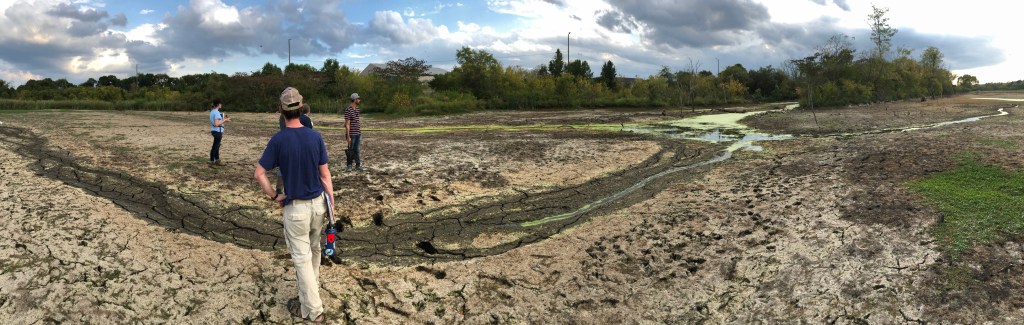
TSU wetland August 2019

GIS

This semester I’m taking a GIS database course and I’m understanding the steps pretty well. I did an intership with Nashville’s Metro Water Services in my undergrad and I’m interested in environmental compliance as a career path. While there I shadowed department mangers that used GIS to monitor the different type pipe systems through out the city. That experience gave me a real word application on how to GIS can be used in my field of interest.
Do you think GIS can be used in any field or do you think GIS can only be applied in certain fields?

Blogging

Over the years I have heard people talk about their blog sites. As I listened to what they were saying to others, I never looked into blogging and I did not understand why people were using it as a platform. I only made an assumption that it was another type of social networking site, so I did not look further into the various programs. This homework assignment in this graduate level Research Methods course is teaching me something I have not been familiar with. I am starting to understand many of the beneficial features of websites like these have to offer and how familiarizing myself with the technology can help communicate information with my peers.

Communicating interesting information with others is a great thing for me to continue to do. I believe it has great potential in bringing me closer together with people and creating great friendships and business partners for the future. I enjoy learning about many research topics related to the field of agricultural sciences, so I am looking forward to reading more scholarly research articles, excerpts, and blogs.

To Smoke or Not to Smoke: Alternatives to Paddy Straw Burning

Punjab is known as ‘Food Bowl’ of India and Paddy (Rice) is one of the important crop being produced. Although it is feeding many people but Paddy production is adversely effecting the environmental conditions, since the disposal of crop residues  after harvesting the crop is difficult. Although paddy straw is good for physical, chemical and biological properties of soil but decomposition of paddy straw requires a long period and effects the germination of next crop. The removal of paddy straw from the field is a labour intensive and costly method since machinery used is costly and farmers cannot afford those machines. The only option the farmer is left with is burning the straw.

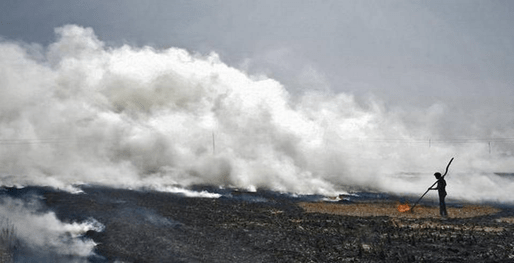
Paddy Straw Burning in Field

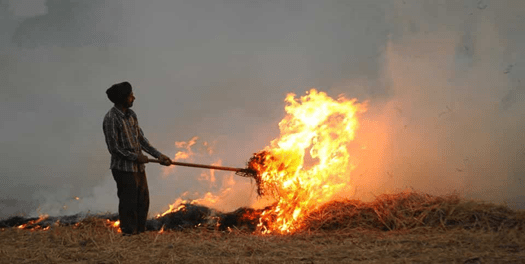
Burning of straw causes a lot of problems like air pollution, breathing problem and skin allergies, adverse effect on soil health and microorganisms, release of green house gasses and ultimately climate change.

A man burning Paddy Straw

A lot of approaches have been made by the government for prevention like banning the straw burning, detection of burning through satellites, training farmers about alternative use of paddy straw, subsidization on agricultural implements that can be used for incorporation of straw into soil and crop diversification i.e. growing other crops that produce less crop residue.  Apart from a lot of approaches being done by social activists, ecologists and government, scenario of paddy straw burning is still same.

Some Alternatives

My point of view is that Paddy Straw can be used for preparation of Bio-fuel. Since, natural resources are depleting and cost of fuel is increasing. By keeping in mind, the increasing population and vehicles in India, biofuels will hold an utmost importance in future.

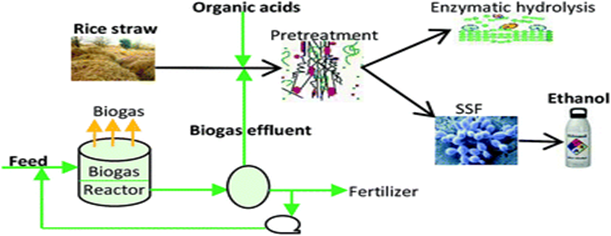
Procedure of Biodiesel and Biogas production from Paddy Straw

In addition to this, biofuel is an environmental – friendly option. Rice straw is rich in lignocellulisic content that can be used for bioethanol production but presence of high ash and silica content are limiting factors in production.

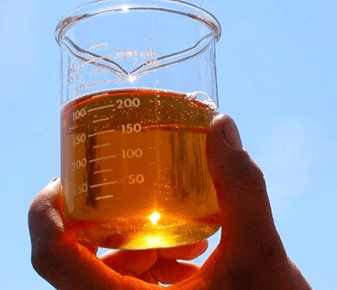
A picture showing Biodiesel

Moreover, Paddy straw can also be used for biogas production. Biogas is a mixture of gasses (methane and carbon dioxide being highest) produced by anaerobic breakdown of organic matter. Boigas can be used for cooking and as a fuel and in vehicles and thus will reduce the money spent on fuels.

 Further research is required so that paddy straw can be used for biodiesel  and biogas production and environment can be sustained.

My Internship Experience at Purdue University

Hello everyone. My name is Pranav Vashisht and I’m a graduate student of Food Science. Today I’m going to tell you about my internship experience in Agriculture and Biological Engineering department at Purdue University.

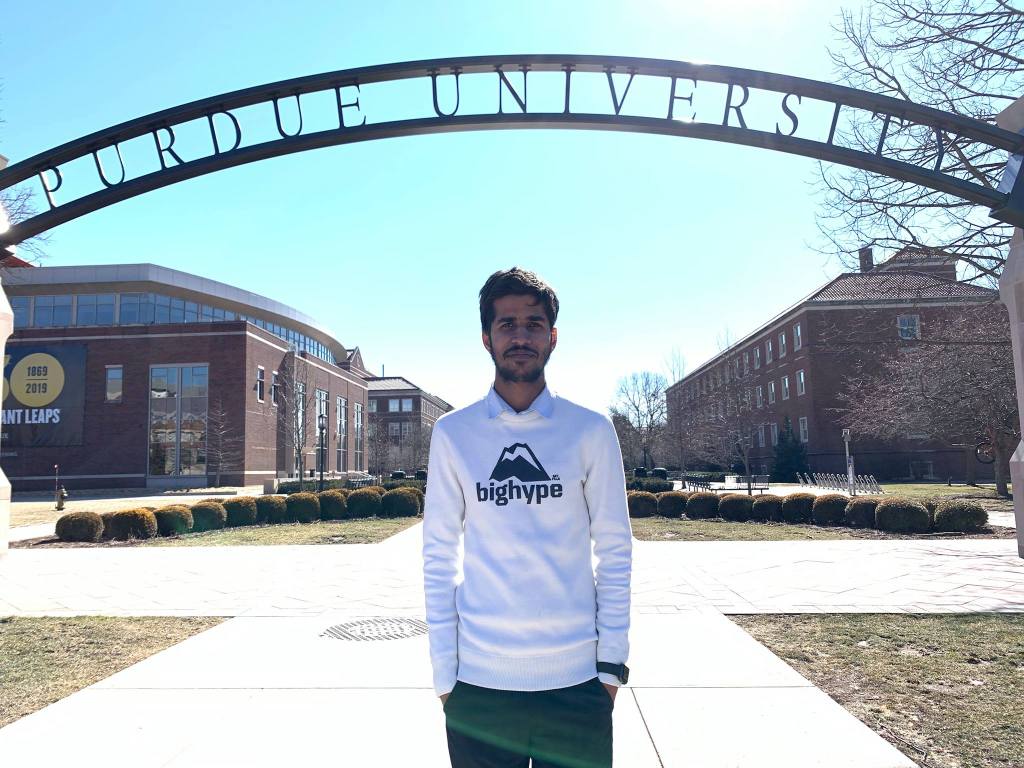
University’s gate

It was my first international trip and I was very excited about it. On one hand, there was my enthusiasm while on the other hand there were worries of my family that how an Indian boy who is out of the house for the first time will go to survive seven seas away from them. 

I still can’t forget the day when I landed at Chicago airport. All I can say about my first reaction was “it seems like someone has thrown me into the Hollywood movie”.

It was harsh winters at that time with the temperature between -200C to -300C, I experienced a lot of difficulties in surviving there but overall it was a knowledgeable and an inspirational journey for me. The high tech instruments that I had never worked on, the food I never tasted before and the English accent which I only heard in some movies and reality shows were some of the fantastic things which I enjoyed during that time. 

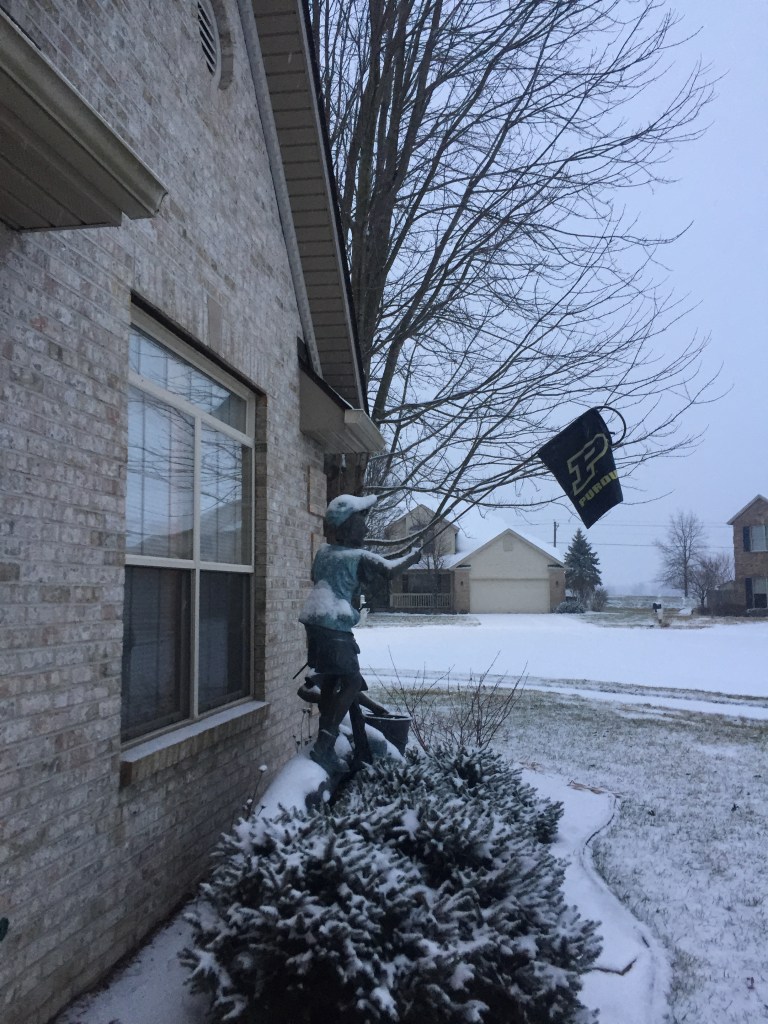
Purdue streets full of snow

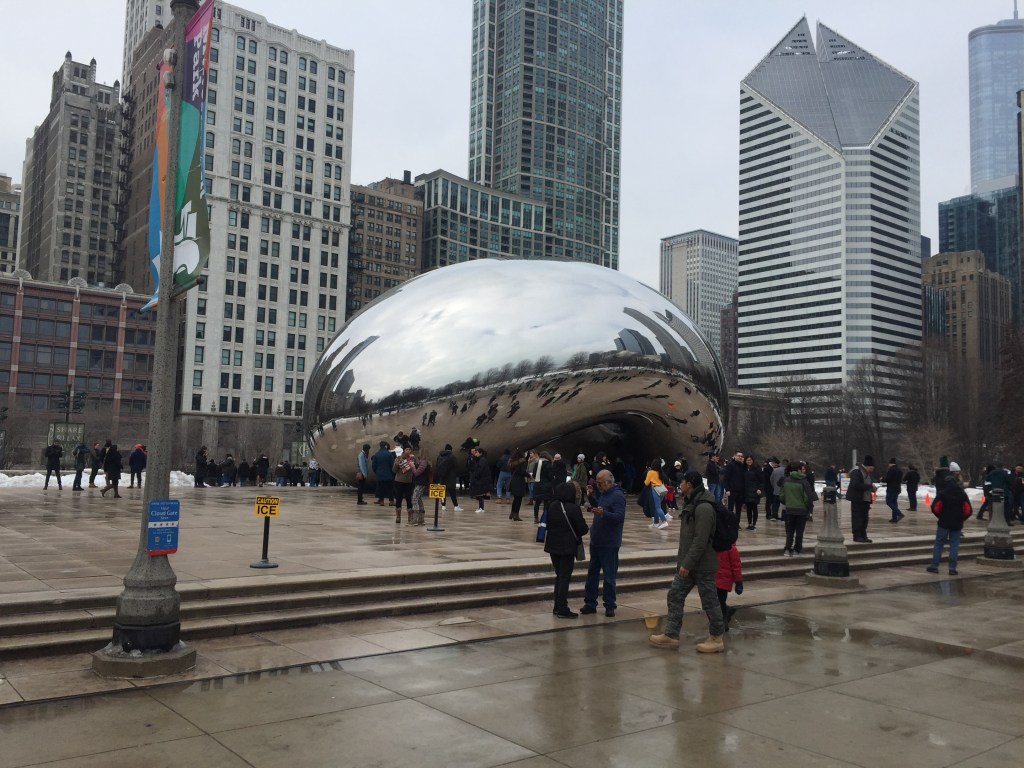
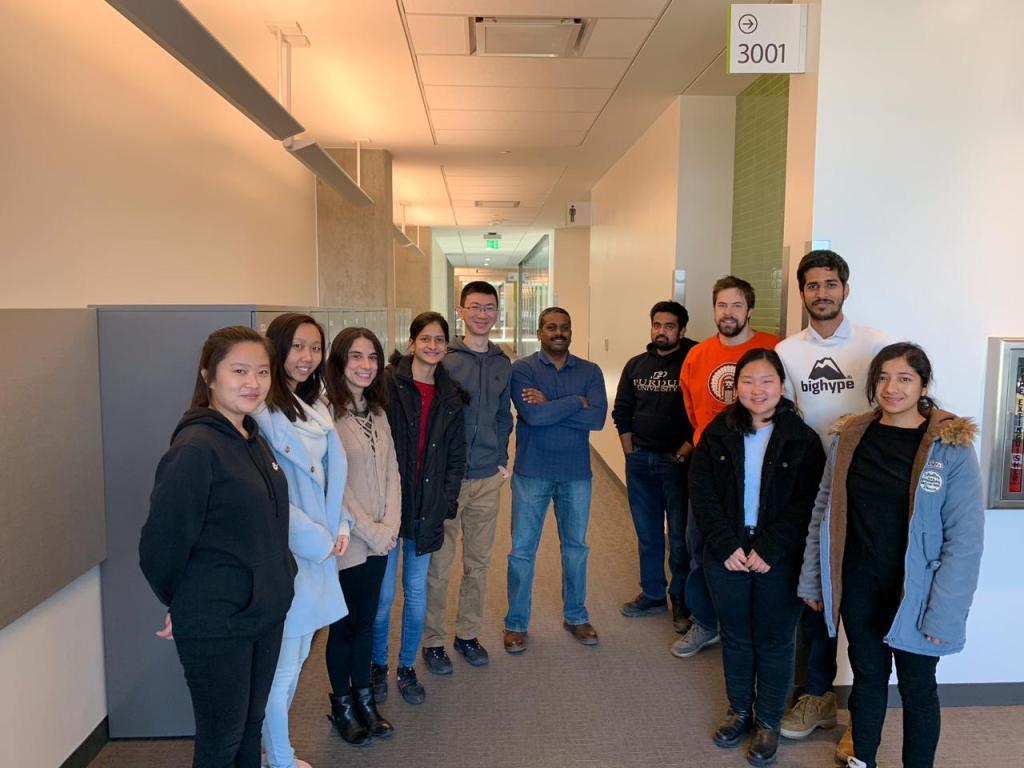
There was a diverse culture in my lab. I worked with students from China, Brazil, Mongolia, and America. I met several professors, attend several guest lectures and visited several cities like Sky deck, Ferris wheel and The Bean in Chicago and the Time Square, the Statue of Liberty, and World Trade Center in New York city.

The Bean- Chicago

Everything was new for me in that department as I was from a different field. My project was on the “Development of dust sensor for the corn processing”. Initially, I was afraid as I don’t know anything about it but after some days I started taking interest in that field too. All my mates were very helpful and we usually went for the drives and parties after our hectic schedules.  

My lab group

I tried many new things with my mates like eating Chinese food with chopsticks, ice skating, and snow sliding.  My intern period went in a blink of an eye and I flew back to India.

Secretariat Circle- West Lafayette

Though again I’m in the United States now still I miss that time. Purdue is a lovely and peaceful place and I think one should surely visit there

Laboratory Cultured COVID-19 Virus for Bio Warfare

Version:1.0 StartHTML:0000000188 EndHTML:0000040274 StartFragment:0000038447 EndFragment:0000040234 SourceURL:file:///C:/Users/dyahya/Documents/Genomics/Exams/Midterm%20Summary.docx

First and for most the fact that the National Biosafety Laboratory which is part of the Wuhan Institute of Virology is a Level 4 microbiology lab, (meaning it is equipped to make Chemical Warfare) that is equipped with many different kinds of viruses samples on reserve, and has the potential to create new mutated viruses, given the amount of knowledge and resources they have is very troubling. Also another fact that the lab is one of a kind in China, and it is the only top security lab that is occupied in that area and is the epicenter of the epidemic. As stated by Richard Ebright, the corona virus was a cousin of one found in bats captured by the institute in caves in the southwestern province of Yunnan in 2003, and that samples had been kept in the Wuhan lab since 2013. So you can see the implication that can lead to one believing this theory that the virus was made intentionally. They first blamed a seafood market not far from the Institute of Virology, even though the first documented cases of COVID-19 (the illness caused by SARS-CoV-2) involved people who had never set foot there. It turns out that snakes don’t carry corona viruses and that bats aren’t sold at a seafood market. Neither, for that matter, are pangolins, an endangered species valued for their scales as much as for their meat. Was the COVID-2019 internationally released for mass destruction? I think so. The possibility is real and becoming more and more dangerous by the decade as new technological advances are made and the human mind is broadened in new ways to manipulate dangerous molecular species.

Design a site like this with WordPress.com
Get started