Women in STEM: A leaky Pipeline

It is a metaphor used to describe how women disappear from careers like STEM. If there is leakage in the pipeline then water inflow will be more as compared to water outflow. In a same manner, number of young girls who enter in STEM programs is large as compared to number of professional women leaders at end because most of the women leave this field due to certain problems.

According to a survey conducted by LinkedIn, women make up less than a quarter (23%) of STEM profession. Although the population of women at entry level was less (24%) as compared to men (76%) but it further reduced at manager level jobs (19%) and director level jobs (17%).It has been estimated that there are more chances of women leaving a company (27%) as compared to men (23%) after working for a year.

Reasons

Family obligations: Sometimes for taking care of their children, women leave job and choose to stay at home. Moreover, job opportunities for women reduces since they stick to a particular geographical region where her family is settled.

Lack of role models: There are very few female role models to motivate young girls in STEM. If we take a look at Nobel laureates or genius scientists, most of them are men. Furthermore, you might have heard only of Fathers (Father of Biology, Father of Physics) and least of women.

Interest: According to some studies, women are less interested in STEM jobs because of their more interest in other fields.

Gender-bias: Although gender bias has reduced to a greater extent but still in some regions of world there exists discrimination in educating children about their roles, girls are oriented more towards communal roles whereas boys are made familiar with problem solving and financial gains.

Gender bias

Educators: In some educational institutions teachers do not motivate girls to take STEM courses.

Parents: They play an important role in shaping the career of their children. Sometimes narrow-mindedness of parents lead to gender gap, thus adversely affecting the careers of their children.

Lack of college education:  Women in some regions do not get access to college education. In addition to this, some women who enter college, after a little bit time they start feeling that STEM field is a guy thing and it results in their underperformance.

Professors: Since, the number of female STEM professors is less as compared to men and it also discourages girls in college or school to further work in STEM field. In fact female STEM professors are found to boost the morale of students.

Employers: While deciding between male and female candidate for a particular job, most employers give edge to men as compared to women because they think that women cannot give their 100% due to parenting and bearing children.

Underrepresentation of women at each level:  In a survey conducted by LinkedIn, chances of women leaving a company were more (27%) as compared to men (23%) after working for a year.

Unpleasant interaction with boss, long travelling distance and frustration at work: These factors also lead to leaky pipeline.

Less salary bumps: Women get less salary bumps as compared to men.

How to fix leaky pipeline

Highlight human side of the company: It is important to highlight “human” side of the company because women always want to know about company’s culture and employee’s perspectives.

Purpose of the work: Generally women get less motivated by money or status whereas they get more motivated by the purpose of the work.

Interaction: Female role models in STEM should interact with young girls and motivate them.

Family support: In order to progress in any field, motivation from family plays an important role.

Education: Educators should motivate girls to take STEM course ad courses should be designed in such a way that they attract more women.

Employers: While choosing a job real potential of the candidate should be taken into account and gender biasness should not be there.  Moreover, boss should maintain a healthy relationship with the employees.

Salary: Salary should be increased based on the individual’s working capacity. This will motivate women to work with more enthusiasm.

Promotion: Working capacity of women should not be underestimated for higher positions in the company. They should be given equal chance while doing promotion.
3D Food Printing – Future Food!

Hi Everyone! Hope all are doing good and safe from COVID19. Today I wish to discuss about a digitally controlled robotic construction process that can build up complex 3D food products layer by layer. It is known as “3D Food Printing”. In this present scenario where we find food going “out of stock” I hope technologies like this to some extend can help in managing the food scarcity because it helps in converting alternative ingredients such as proteins from algae, beet leaves, or insects into tasty products. Moreover, it opens up the door of food customization based on individual needs and preferences which can be healthy as well as good for environment. For example, it can create a soft textured food with an appetizing look which will be mostly preferred by the elderly ones.

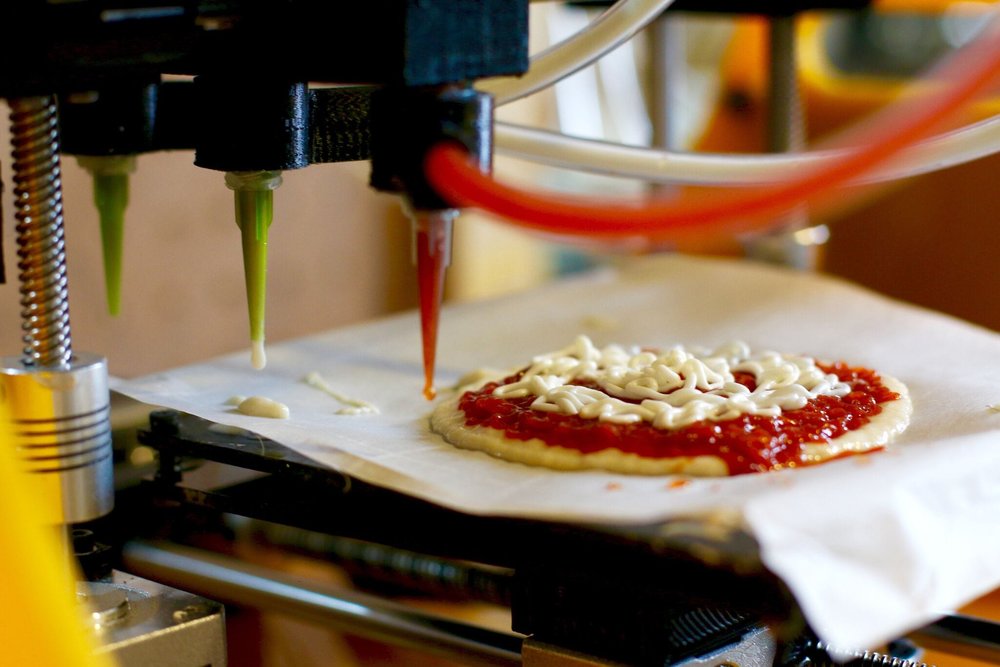
Fig: 3D printing of Pizza

How it’s done?

The additive manufacturing technology has been applied to directly construct physical model from 3D model without mould and die.  This technology is not only used in food industry but also in the automobile and aerospace industry for the manufacturing of complicated parts. The food is printed through several syringes using food materials such as sugar, chocolate and cheese to create designed shape layer by layer. This unique design pattern of complex food model is produced based on either extrusion printing or binder jetting or inkjet printing. Scientists have done a detailed review for categorizing printability, productivity, properties of material and mechanism of 3D food printing techniques and also provided the direction of future development as well.

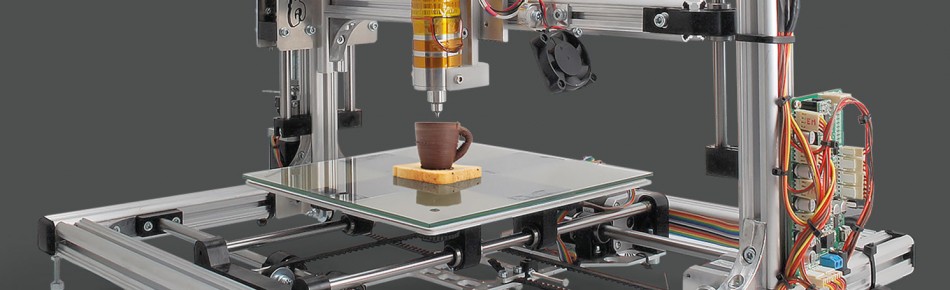
File:3DRAG choco Home-950x290.jpg
Fig: Chocolate 3D printer

The 3D food printing has started a revolution in cooking by precisely mixing, depositing, and cooking layers of ingredients, so that users can easily and rapidly experiment with different material combinations. With this technology, food can be designed and fabricated to meet individual needs on health condition and physical activities through controlling the amount of printing material and nutrition content.

Pitayachaval, P., Sanklong, N., & Thongrak, A. (2018). A Review of 3D Food Printing Technology.   In MATEC Web of Conferences (Vol. 213, p. 01012). EDP Sciences.

https://nypost.com/2020/02/27/does-this-3d-printed-steak-taste-like-the-real-thing/

Covid-19 Impacts on Agriculture

The evolution of the pandemic during the coming days and weeks will be crucial, and its impact on the economy or the agricultural sector will very much depend on the time needed to stop the spread of the deadly virus.

Assessing the impact on the agricultural sector is therefore premature, speculative at this stage and will depend on how long the health emergency lasts and restrictive measures remain in place before businesses can resume normal operations.

Learning from the past and similar Public Health emergencies, restrictions on the movement of goods and people can have significant socio-economic repercussions on people’s livelihoods, going beyond the direct impact on health, and affecting the most vulnerable groups. While these restrictions are necessary to limit the spread of a disease, they often lead to disruption of market chains and trade of agricultural products with significant potential impacts on the populations that depend on them for their livelihoods and their food and nutrition security.

A large proportion of the agricultural sector including horticulture, pork and grain sectors use seasonal workers or backpackers to harvest crops. As a result there are risks to the sector’s workforce security should the travel restrictions increase.

Production of staple food crops such as wheat, rice, and vegetables will be affected if the outbreak continues into the critical spring planting period as it is unclear if agricultural inputs can be distributed in time for spring planting.

Image result for supermarkets clear
Diminishing shelves due to panic buying.

The 2014 Ebola epidemic led to an increase in abandoned agricultural areas and reduced fertilizer use in West Africa. If staple food production is affected, the impact on food security could be grave.

Domestic and international trade disruptions may trigger food market panics. During the 2003 SARS outbreak, panic-buying of food and other essentials hit many places in China and is evident over the media with respects to COVID-19. Any panic would exacerbate temporary food shortages, lead to price spikes, and disrupt markets. If left unchecked, food panics can spread and threaten broader social stability.

Image result for Civid-19 supermarkets

The USDA have been asked the following questions :

Q: Can I become sick with coronavirus (COVID-19) from food?

A: We are not aware of any reports at this time of human illnesses that suggest COVID-19 can be transmitted by food or food packaging. However, it is always important to follow good hygiene practices(i.e., wash hands and surfaces often, separate raw meat from other foods, cook to the right temperature, and refrigerate foods promptly) when handling or preparing foods.

Q: Is food imported to the United States from China and other countries affected by COVID-19 at risk of spreading COVID-19?

A: Currently, there is no evidence to support transmission of COVID-19 associated with imported goods and there are no reported cases of COVID-19 in the United States associated with imported goods.

Q: Are food products produced in the United States a risk for the spread of COVID-19?

A: There is no evidence to suggest that food produced in the United States can transmit COVID-19.

Q: Can I get sick with COVID-19 from touching food, the food packaging, or food contact surfaces, if the coronavirus was present on it?

A: Currently there is no evidence of food or food packaging being associated with transmission of COVID-19. Like other viruses, it is possible that the virus that causes COVID-19 can survive on surfaces or objects. For that reason, it is critical to follow the 4 key steps of food safety —clean, separate, cook, and chill.

Energy Hope:Bio-fuel production by fast pyrolysis method

Current global fuel available is based on fossil fuels (oil, natural gas, coal), but with the increasing world population, the energy consumption per capita and the evidence of global warming, the necessity for long-term alternative energy sources is apparent.Oil and gas experts believes that exhaustation of fossil fuel is not a distant possibility rather than the near future catastrophe.A judicious picture holds that the oil production will peak in 2025, but will cried off by 2115. The greater part of scientists argues that the world oil production has either sharped already or will be peaking in few years.

Higher genera plants supplement the major share in global lignocellulosic biomass, now consider as renewable reserve intended for the production of biofuels through chemical or biological engineering. Among the biomass to energy conversion processes, pyrolysis i.e. biomass heated at the limited oxygen supply, is mostly applicable solution in the present.

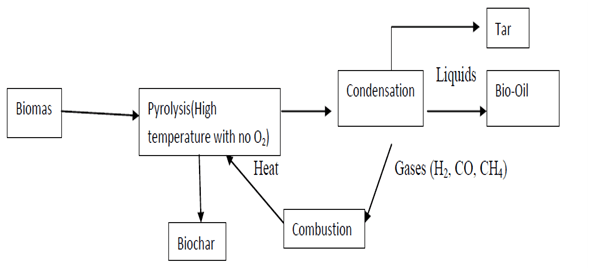
During the pyrolysis process biomass become converted to the main product; bio-oil, biochar, biogas.Biochar is oxygen-limited produce of pyrolysis from organic biomass, which is porous substance with charcoal like appearance. Biochar is now been considered as recalcitrant carbon reservoir.Biochar has been widely used in nutrient retention in soil as well as a soil fertility enhancing agent.


Simple Pyrolysis Flowchart

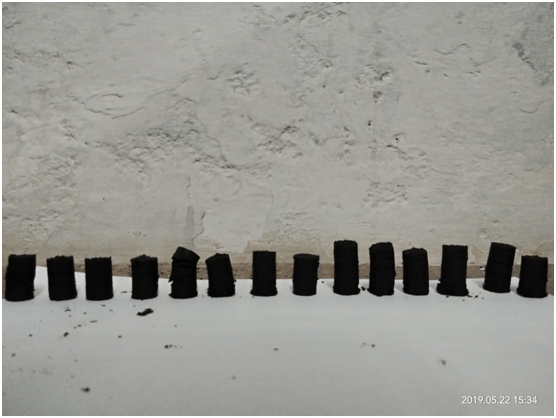
The concerns have boosted the importance of research for alternatives to fossil derived products. Densification of biomass into briquettes, pellets, cubes etc. is a method employed for increasing the intrinsic density of materials  for more constructive employment . Pelletizing is another method of upgrading biomass fuel. Unlike briquettes, pellets are smaller in size and have a smaller diameter. They also require higher pressure and heat to produce. However, compared to briquettes, pellets are suitable for a wider range of applications. Traditionally, pellets are produced from woody biomass such as sawdust, wood chips and forestry residue. Pellets can also be prepared from a wide range of agricultural and waste biomass material.

Pyrolytic Briquette

Legislation vs Biology: Hemp cultivation takes a divergent mode

Pastoral scenes of endless farming lands of Hemp are fine for the art framework, but current scenario by no means took hemp as “easy-to-go-with- production”. All hemp cultivation is required to be subjected upon state agencies and USDA approval, as hemp production is closely associated with federally-controlled crop marijuana. Hemp and marijuana are closely-tied varieties of Cannabis sativa that primarily differentiated with their production of the psychoactive chemical.

 “People just don’t understand what hemp is,” said Jeffrey Cox, the head of Illinois’s bureau of medicinal plants, who manages to exhibit a hemp field at the state fair to introduce this genotypically different crop. “I had to explain that it’s not marijuana to hundreds and hundreds of people.”

Hemp, dioecious plants having both staminate (male) and pistillate (female), commonly  cultivated for fibre and seed production (here collectively called it to as ‘hemp’), and drug strains cultivated for medicinal (a psychoactive drug) or recreational use. In this new-age agriculture not only had hemp fibre produced for fibre production but also for its nutritive resources (potentially fatty acids such as Linoleic acid, linolenic acid).

Lawmakers often confuse hemp with marijuana because of its similar smells. To be scientifically speaking, Marijuana is THC rich whereas hemp is CBD rich crop. Cannabinoids, formed by condensation of terpene and phenol precursors, is synthesized by cannabis. Since early 2000, states with the assistance of powerful American Farm Bureau Federation started to pass the laws leading hemp production, the latest already more than 30 states did. The threshold legal concentration of 0.3% THC was set in all the states except West Virginia, in which up to 1.0% THC is permissible. Consideration limit is THC content of 0.20% for the official EU variety list, 0.3% for Canada. Different states have been permitted to use hemp for a particular purpose;  Missouri and Utah, typically to be allowed for using hemp extracts (CBD) for treating epilepsy individuals, Hawaii had permission only to study hemp as alternative phytoremediator and as a biofuel feedstock.

The public domain had special interest in Industrial hemp for the speculating debates between advocate and opponents across the USA.US activists intensely divide for the hemp legislation despite the major acceptance in agriculture and political communities in the US.

Pule Cheese- The costliest cheese of this world

Hello everyone. This is Pranav Vashisht, a graduate student of Food Science and today I’m going to tell you about the costliest cheese of this world.

So whenever it comes to our mind about the food budget we generally keep it in the minimum expenses column of our home budget but have you ever thought that any food item can cost you as much as your iPhone if not then there is a cheese which can cost you this much.

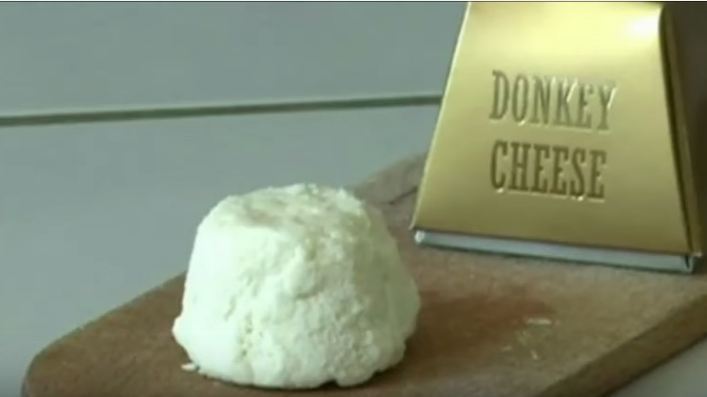
Pule Cheese

It’s called a Pule cheese, which is the most expensive cheese on this earth having cost between $600-$1000 per pound. It is soft and crumbly in nature and it falls in the category of smoked cheese i.e. specially treated by smoke curing and it is famous for its rich flavor and natural saltiness.

This cheese is not made of any common milk like cow or buffalo rather milk of special breed of donkey i.e. Balkan donkey which is an endangered species is used for its production. Donkey milk is famous for its application in beauty products from Egyptian history as the Egyptian queen Cleopatra bathed in donkey milk to preserve her beauty. This milk has sixty times more vitamin C than cow milk.

Image result for balkan donkey
Balkan Donkey

This cheese was originated in Serbia and still, now its production is very rare and limited to that particular country. The Zasavica Special Nature Reserve, Serbia is the only production unit of this cheese and one of the rarely preserved sanctuaries of this species. 

 Zasavica Special Nature Reserve, Serbia

Jennies produce a very little amount of milk every day and this production unit has around 100-130 Balkan donkeys. The yield of the cheese is reported to be around 4% i.e. 100 liters of milk is required for the production of 4 kg of cheese. So, only a few lucky people get a chance to taste this cheese even when they are ready to spend a huge amount of money on it.

Agricultural Education

Last winter I was introduced to the field of agricultural sciences. Before then, I did not know how broad the field of study was, and I was not aware of the many different career opportunities that the government and private sectors have to offer. All I immediately thought of was farming. As I looked into the field, I discovered it consisted of three sectors, which were input, production, and marketing. That is when I became interested in agricultural business, because I realized my business skills could translate to the industry. The way I view agriculture has changed, and I feel as though agricultural sciences should be presented to the youth more often than it has been. I understand that they will become aware of the various career paths and educational aspects of topics relative to food, nutrition, and health, and safety. The world population has been increasing over the years and it is expected to become much larger. I believe that it is essential for the future of this world to be equipped with the resources and knowledge to succeed.

Do institutional roadblocks build you as graduate student?

I recently wrote a blog entry focusing on the idea of being “scooped” in scientific research. I’m convinced institutional roadblocks and lack of resources can contribute to this unfortunate event.

This is my first year at Tennessee State University but it is not my first time being in graduate school nor conducting competitive research. I mention these things the lay the groundwork for my current struggle which is.. ORDERING AND RECEIVING SUPPLIES.

Image result for ordering supplies

I started a really cool experiment in September of 2019 and ran out of supplies to continue. I submitted my order and after four weeks I became weary. I submitted inquiries that went unanswered. I submitted the purchase again and confirmed the purchase order with the company. Another month went by and still I had no supplies. We are now half way done with the semester and I’m still waiting on proprietary item to continue my project. Five months later, I’m so frustrated that I opt to use my scholarship money allowance for “professional development”, which should be used for conference travel, to attempt to pay for lab supplies. I’m STILL being being confronted with roadblocks. All I want to to do is do some biochemical analysis and flash gas chromatography on some bacteria. That’s it!!

Image result for angry science

I’m not use to this at all. I don’t want to compare TSU to the other research institutions I’ve attended but it’s hard not to do so. How can a student or research professor be competitive and relevant in their field if they can’t even get the materials needed to do experiments in order to publish? Publications lead to grants. Grants lead to more research and money for the institution. I would think with that type of positive feedback loop, the university would make getting materials purchased and delivered a high priority for the research departments

It’s pretty embarrassing at this moment and I started to raise the issue with a few faculty. What’s even more disheartening is that the response I’m receiving is “that’s just the way it is here” or “welcome to TSU, that sounds normal.” None of this should be normal nor acceptable. Mediocrity has no place in scientific research. To be as blunt as possible, there is no way this institution can desire to be respected on the same level as some of it neighboring universities if they are functioning at a mediocre level when it comes to ordering and supporting the research departments.

I honestly am concerned about my future as a graduate student. Will my time to degree be extended to 6 or 7 years because I spent so much time waiting on supplies? Will I have to result to using my own funds to order what I can from Amazon or the manufacturer and just hope and pray that I’ll get reimbursed? These are thoughts that never crossed my mind in my previous graduate program. I simply would order an item, get approval from my advisor for the purchase grant and the item would arrive at the lab in less than a week. Time is money is research and there really needs to be a revamping of the purchasing system at TSU. Central Receiving needs to be bypassed for research laboratories as well. Our labs have a physical address that can be accessed by USPS, UPS, FedEX and DHL. There is no excuse for this hold up ESPECIALLY if the money is there and approved to be spent.

Image result for delivery truck

This is a recipe for getting scooped in research. Personally, I’m not trying to change my research goals around every semester due to someone else publishing my research all because I’ve been waiting 5 months for some aluminum caps to be delivered.

Image result for rant over

Has anyone else experienced purchasing woes? What’s the next step? Should the graduate students come together and approach the president about this issue? Where do we start?

JOURNAL CLUB MEETING

A journal club is an educational meeting where a group of individuals review published articles to keep abreast with new knowledge, and current research methodologies/ findings.

On the commencement of my master’s degree program at Tennessee State University this year, I have been opportune to attend several journal club meetings with my professors and fellow graduate students. At these meetings, we have discussed several notable articles in ecology, agriculture, and biology. These meetings have helped me become adept at reading research papers objectively, become up to date with new research methodologies and advances in my research area. Based on my experience, I have a few tips to share on how to get the most out of a scientific journal club as a newbie.

  • Attend the meetings regularly as it is by interacting regularly with others in your field of research that knowledge is shared.
  • Read the article prior to the discussion so you can actively partake in the journal club.
  • Do not stay quiet, engage other participants, even if they are your professors or superiors and may have a contrary opinion. However, be polite in your interactions.
  • Ask questions to clarify misconceptions you might have.

Have you attended a journal club meeting before? If you have, can you share your experience? If you have not, I recommend that you attend one and these tips would help you maximize your experience.

SOIL RESPIRATION

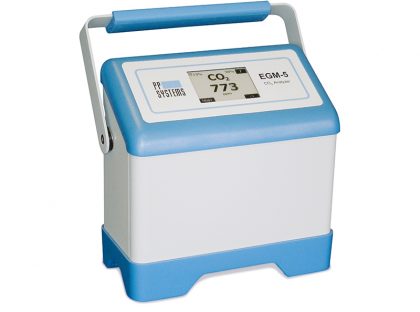
This month I participated in the measurement of soil respiration using the pp system (EGM5 Carbon dioxide analyzer), in the Lab of Climate and Soil Biogeochemistry, Tennessee State University. I found this procedure very fascinating and I would be sharing a brief description of this procedure and a background on soil respiration.

Interestingly, over 2,700 Gigatonnes (Gt) of carbon is stored in soils worldwide, which is more than three times the amount of carbon in the atmosphere, animals, and plants. However, the soil releases about 60 billion tons of carbon into the atmosphere each year, which is far more than that released by burning fossil fuels. Warming studies have shown that rising temperatures leads to an increase in the rate of soil respiration. As a result, scientists have worried that global warming would increase the decomposition rate of carbon in the soil, releasing more carbon dioxide into the atmosphere and accelerating global warming. Temporary increases in soil respiration induced by certain management practices can also have a negative impact on soil organic matter. Various soil respiration rates respond to various soil management measures differently. Thus, there is a need to measure soil respiration rates to enable better recommendation of management practices.

The CO2 analyzer is used for ambient CO2 monitoring, soil CO2 efflux, global change studies, bioremediation amongst a host of other applications. An image of a conventional CO2 analyzer is shown in figure 1.

A picture containing device

Description automatically generated

Fig 1: EGM5 Carbon dioxide analyzer

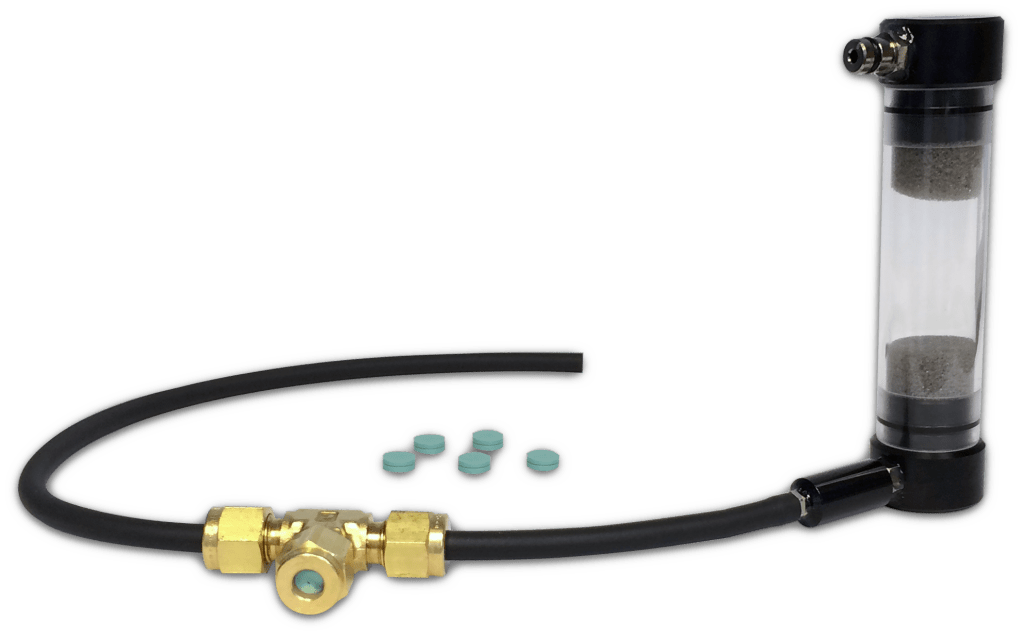
The CO2 analyzer comes with a sampling injection kit as shown in figure 2

Fig 2: Sampling injection kit

 The Procedure for measuring soil respiration

A picture containing cup, indoor, coffee

Description automatically generated

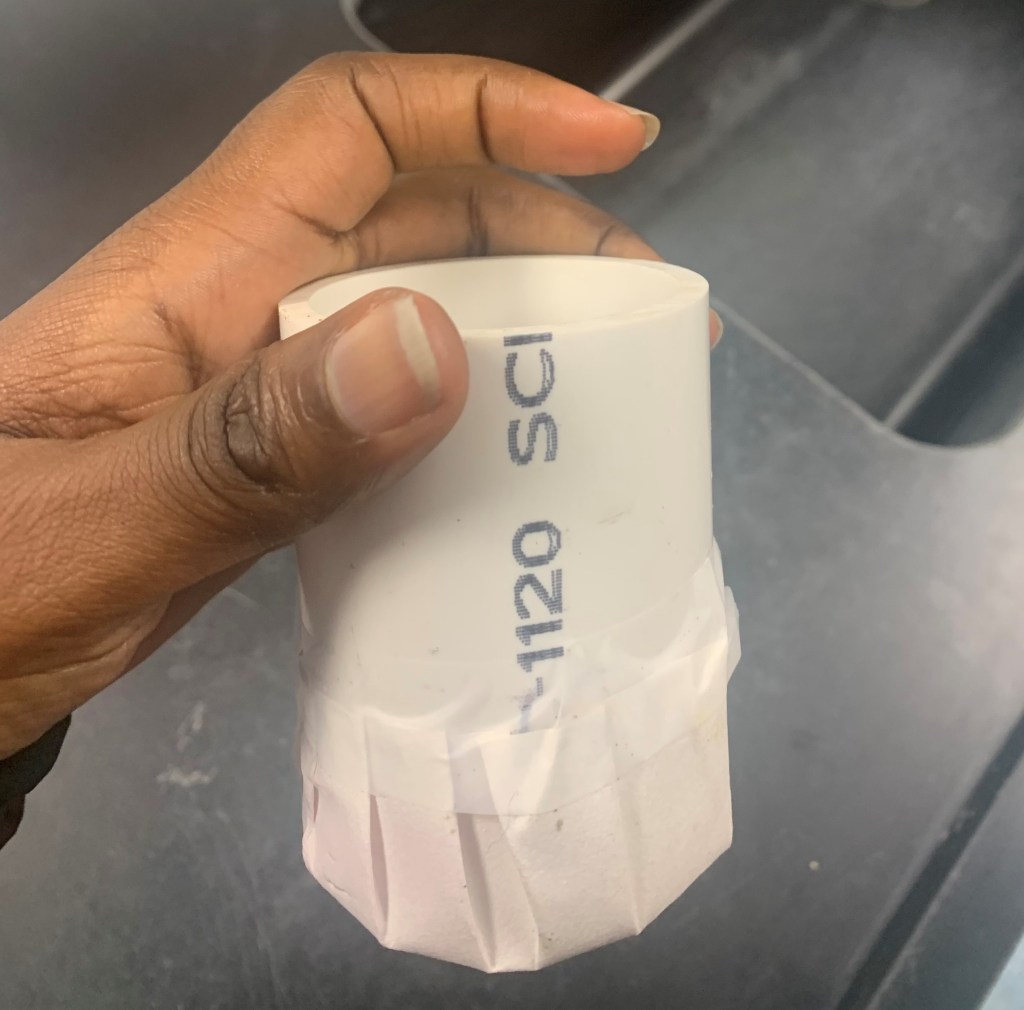
Fig 3:  Filter paper sealed in PVC core

First, the filter paper is sealed to a polymerizing vinyl chloride (PVC) core and soil sample of 15 grams is placed into this core as shown above.

A hand holding a glass of wine

Description automatically generated

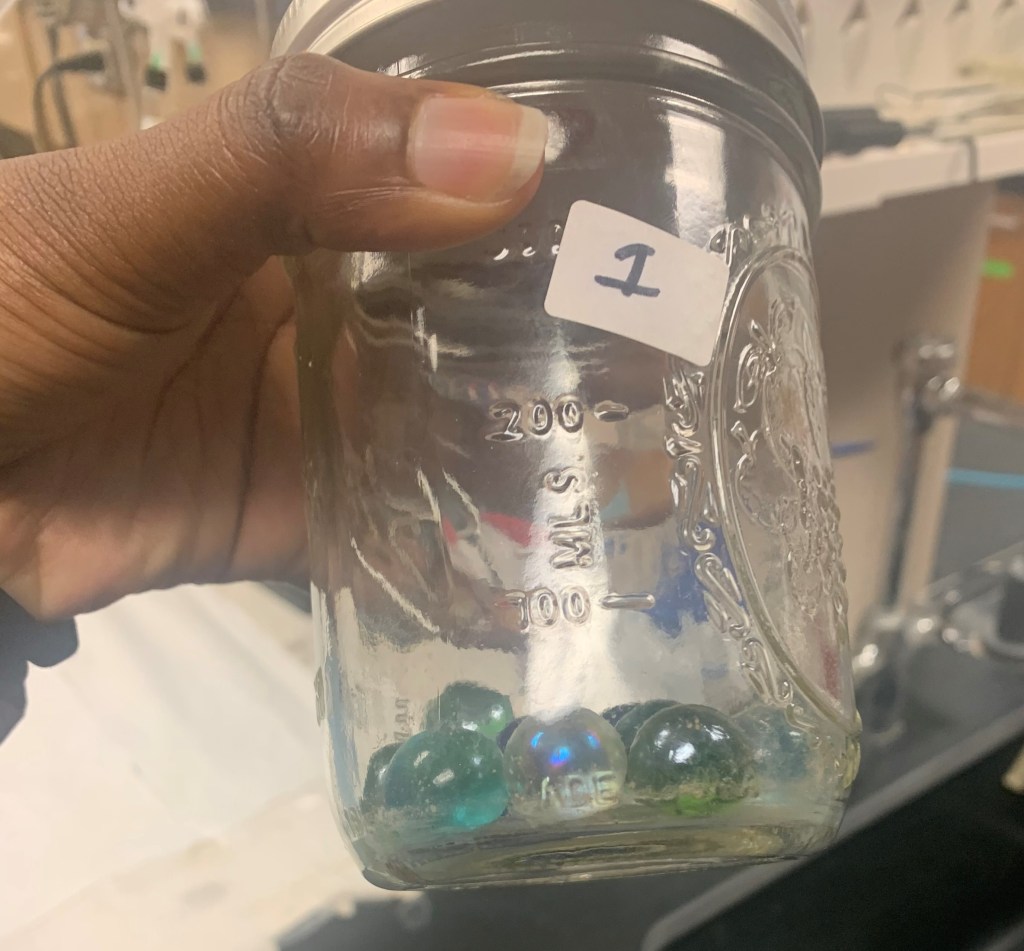
Fig 4: Pebbles in a wide-mouth mason jar

Next, pebbles are added to a wide-mouth mason jar and the PVC containing the soil sample are placed into the jar as seen in the image above.

The jar is sealed with a cover that has a lid that can be perforated in the center of the lid. The jar is then placed in a chamber for six weeks at a constant temperature of 15℃ (The aim is to measure the soil respiration rate at a constant temperature for six weeks in comparison to other studies not for the scope of this description)

A hand holding a cup

Description automatically generated

Fig 5: Illustrates the aeration of the sample in the PVC core

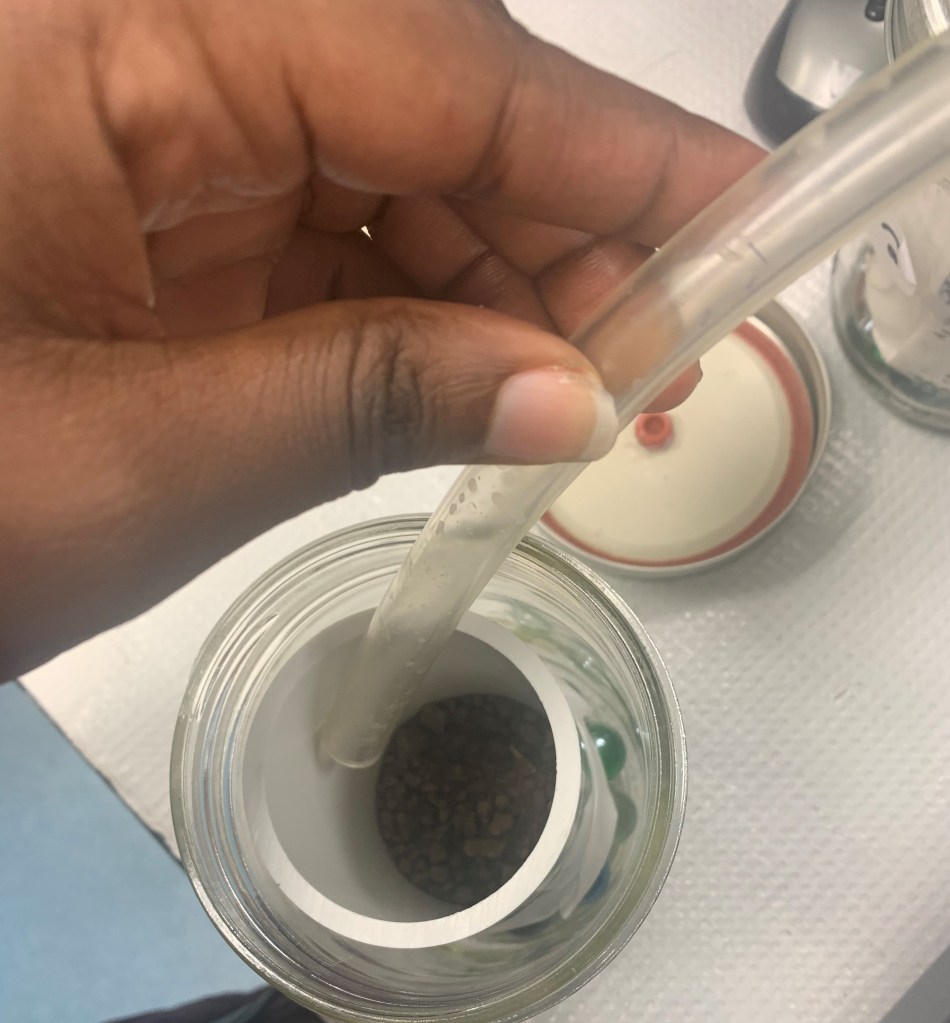
The jar is brought out of the chamber weekly to measure soil respiration. Thus, I opened the jars and flushed with air for 8 minutes as shown in the image above.

A close up of a hand

Description automatically generated

Fig 6: Illustrates the collection of air from the sample using a syringe

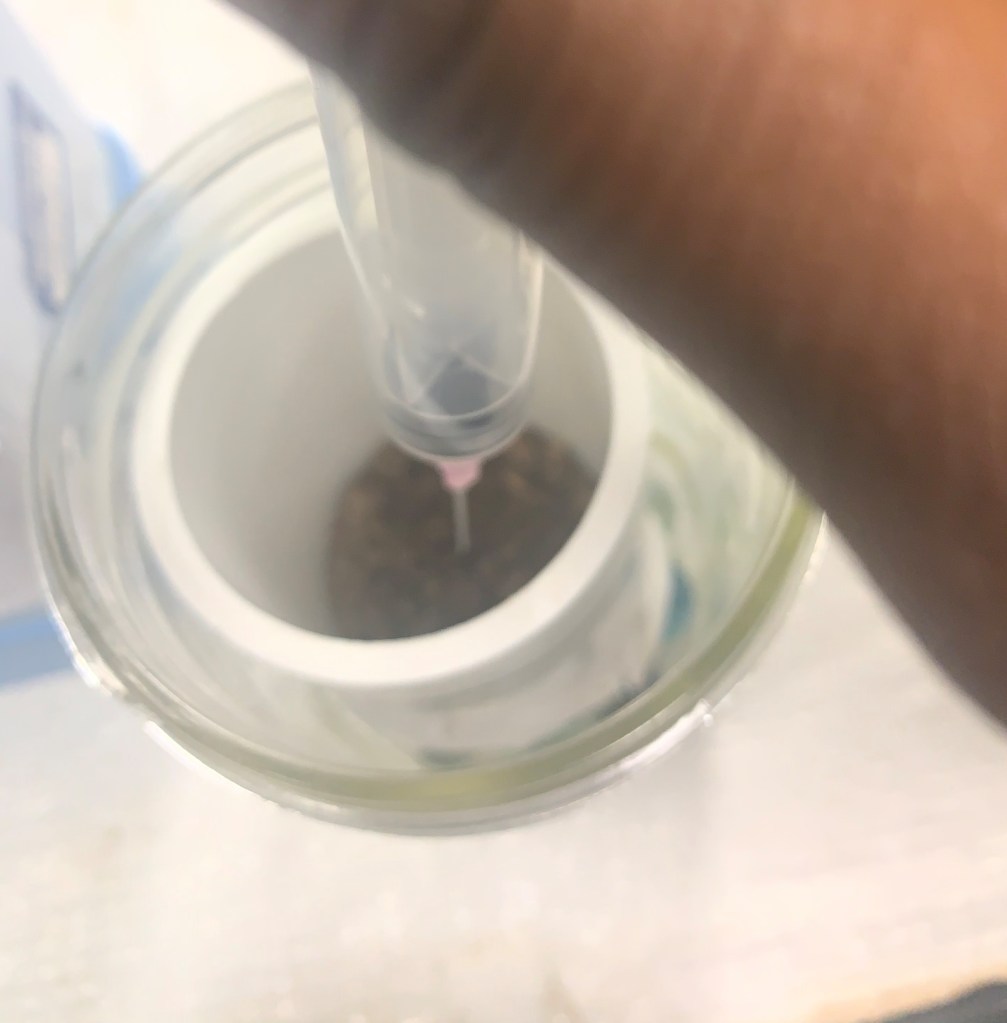
As pictured above, a syringe is used to draw air from each jar.

Fig 7: Injection of the air sample into the CO2 analyzer

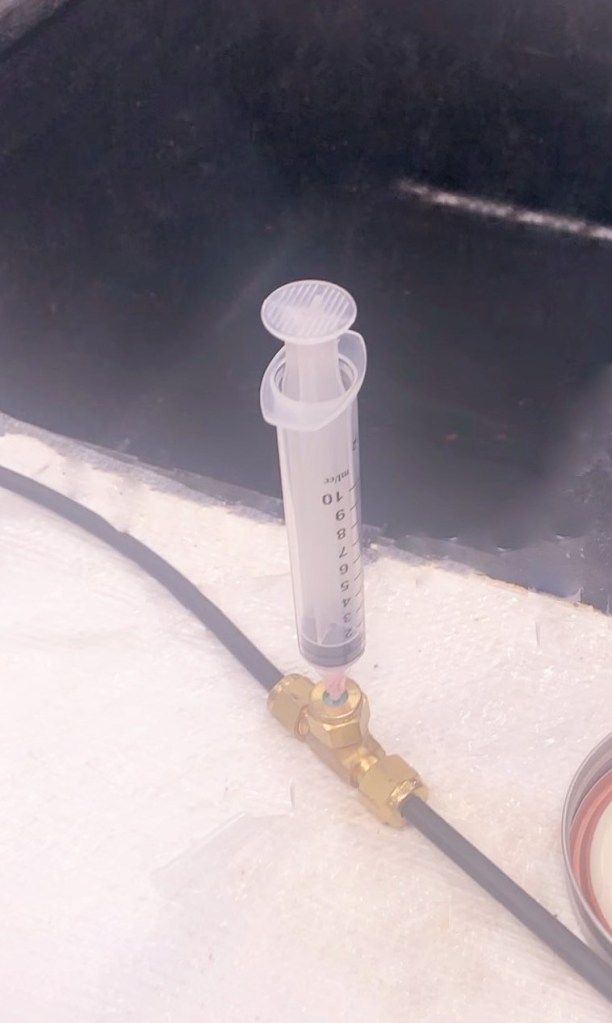
The carbon dioxide analyzer is turned on and the sample in the syringe is then placed into the sampling pump of the carbon-dioxide analyzer. Afterwards, the CO2 analyzer is then set to read the measurement.

A picture containing text

Description automatically generated

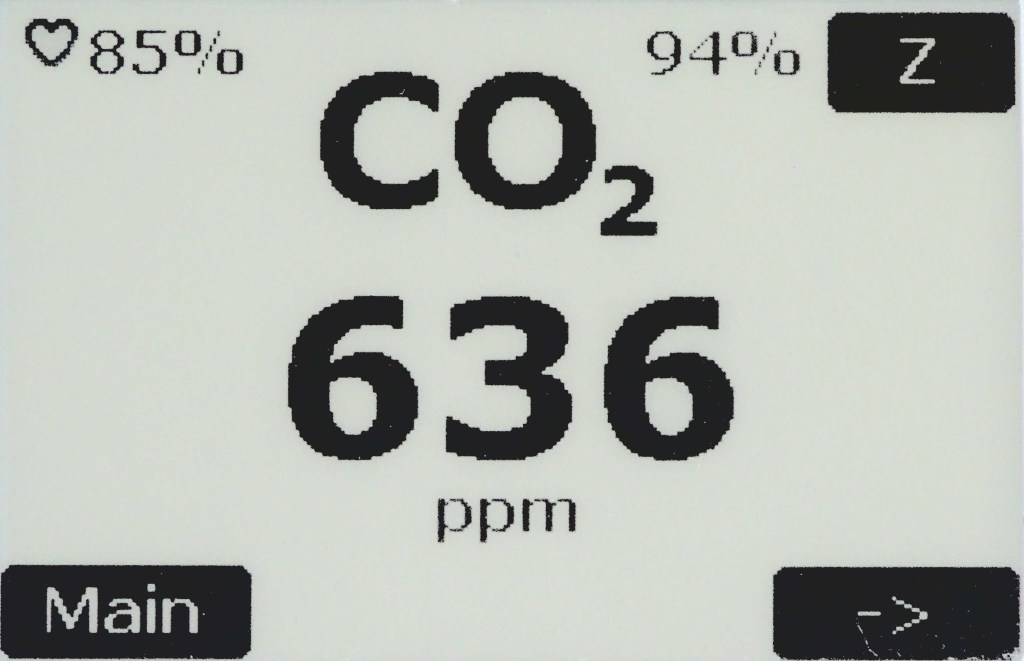
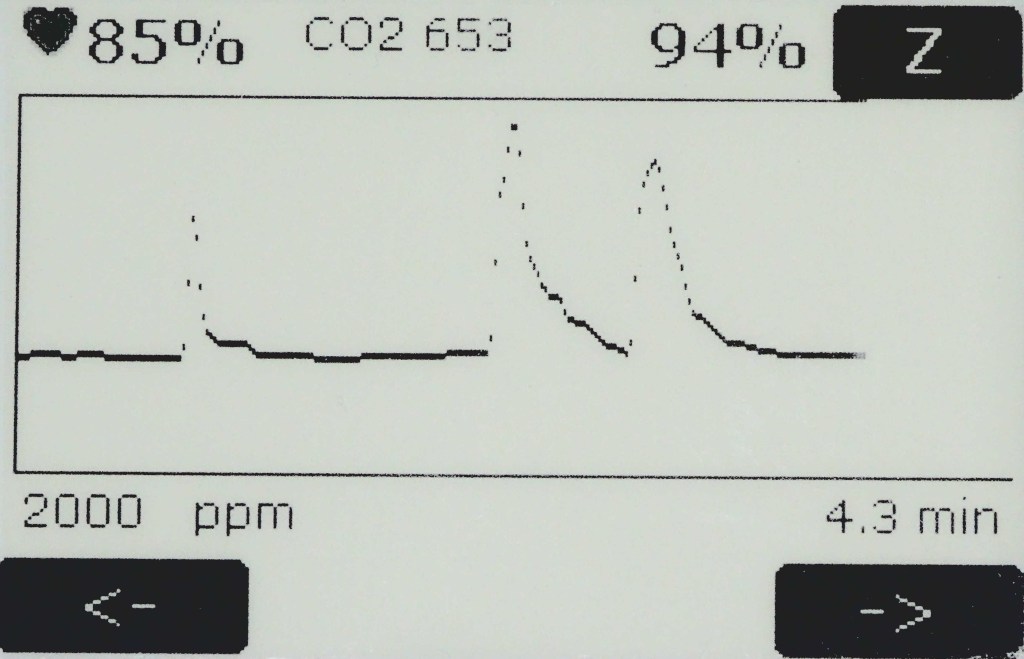
Fig 8: An example of CO2 analyzer display of the CO2 concentration

The main Carbon dioxide measurement screen of the EGM5 C02 analyzer

A close up of text on a white background

Description automatically generated

Fig 9: The screen monitor of Carbon dioxide trends and flux rate upon reading from the injection of the sample into the sampling pump.

The EGM5 carbon dioxide analyzer helps to monitor carbon dioxide trends and flux rates. Measuring soil respiration rate is easy and not technical especially when using portable analyzers such as the PP systems. Soil respiration measurements using the pp system can be done both in the field and in the laboratory. If you have measured soil respiration rates what methods did you use? Share in the comments below

Design a site like this with WordPress.com
Get started