Pete Meenen a person who i had the privilege to work with at the Breentwood Family YMCA located on concord rd, has sadly passed at the age of 73-years old due to contracting the COIVD-2019 virus. He was a respectful, kind, gentle man that enjoyed his job, working as a greeter at the YMCA. He was a blessing to work and share thoughts and ideas, he was receptive to all the good words you had to say. He spent time and energy making the YMCA a better to place to visit as the guests were entering and leaving. Bottom line, he was adored and loved by many. There are many people who you want to meet, that have great character and you can share your thoughts with, Pete was one of those people. This newly viral virus has devastated many lives, as has any other virus. People fail to realize the magnitude of threat this virus has against the elderly and sick, since there are many people that are considering this quarantine a vacation from school, work, and life. I believe that it is not a vacation and people need to be more aware and thoughtful of the ones that have paved a new world for them.

Hydroxychloroquine / Azithromycin vaccines for COVID-19
The current pandemic caused by COVID-2019 is continuing to slow the world down with more & more cases everyday. The total confirmed cases has reached seven hundred thousand people world wide. Surgeon General of the United States, Jerome Adams, warns the public not to travel other than get to essential items. COVID-2019 is potentially up to 25 times more aggressive in spreading compared to the seasonal flu. So what can we do? I believe there is success in research currently being conducted on patients in France and South Korea recently that are proving to be helpful. Hydroxychloroquine and Azithromycin are current drugs that are being tested, that can potentially be a vaccine COVID-2019. Hydroxychloroquine is typically a drug that treats malaria patients, which is able to open more zinc ion protein channels of human cells and allow for more zinc to flow in, in order for the zinc to hinder the viruses +ssRNA replication. Given along with Azithromycin, which is used to treat many different types of infections caused by bacteria, such as respiratory infections, skin infections, ear infections, eye infections, and sexually transmitted diseases. These drugs are under screening currently and the FDA is expediting the processes in order for them to be available and labeled as a treatment for COVID-2019. The drugs ore in phase II of the screening process and we are excited to get this virus under control.

How to prepare an insect box?
How to collect insects
Insect collection can be a hobby or a part of an entomology course. In my case, it was a part of an entomology course but with time it became a hobby. Insects can be collected for identification of already present or new species; this facilitates insect management for crops as well as for protection of endangered species.
Things you need for insect collection
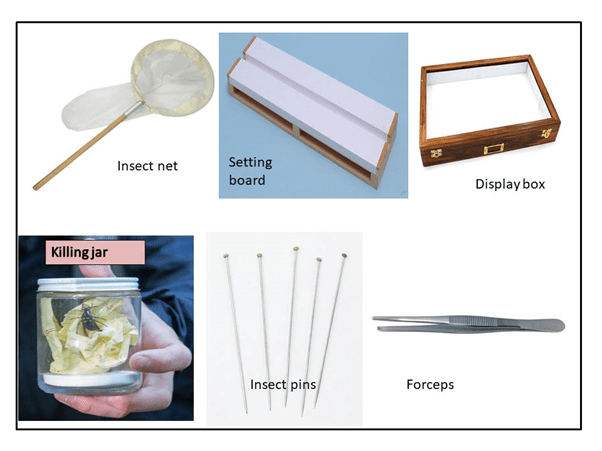
How to find insects?
Insect population and diversity is abundant at high temperatures and reduces with a decrease in temperature. You can start finding insects from late spring till the end of summer; you will likely find different stages of insect growth. The purpose of insect collection is important i.e. if it is for taxonomic classification or for identification of insects infesting a particular crop. The places to visit for insect collection can be decided based on the purpose of insect collection. Moreover, a little bit of literature review can be done to know more about the habitat of insects; for example insects like dragonflies, butterflies and damselflies are aerial whereas larval and pupal stages of insects can be found in the soil. Furthermore beetles, flies, wasps and leafhoppers are most abundant on plants. During rainy days insects can also be found around the street lights.
How to catch an insect with insect net?
When you see any insect, without disturbing it instantly place the insect net over it and then wait for 2-3 seconds. When you observe no insect activity inside the net then then carefully transfer the insect to the insect killing jar having ethyl acetate in it. If you are catching an insect from the ground then after placing the insect net over the insect, just raise the end of net little bit upward as the insect will fly upwards and it becomes easy to observe and catch insects.

How to differentiate insects from other organisms?
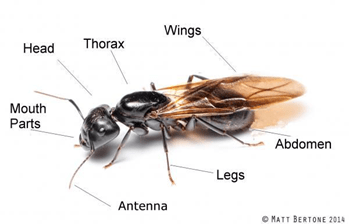
Majority of the insects have three pair of legs, one pair of antennae and an exoskeleton.
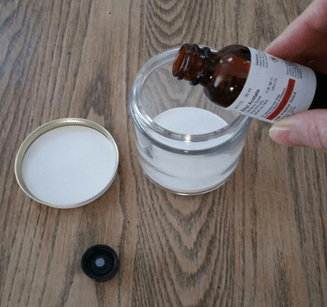
How to make a killing jar?
Firstly add ethyl acetate in the jar, then transfer the insect in that jar from the insect net and immediately close the lid. Several small insects can be grouped in one box but be careful while putting together large and robust insects like beetles with delicate insects like butterflies.
How to use a spreading board?
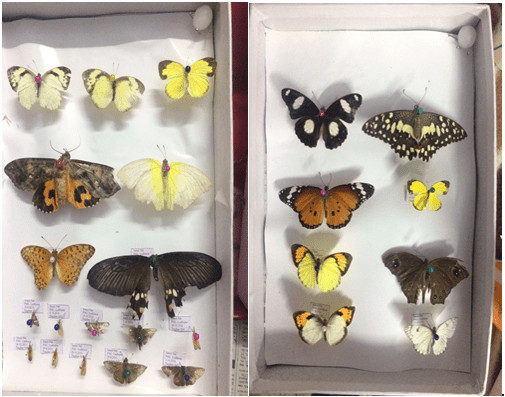
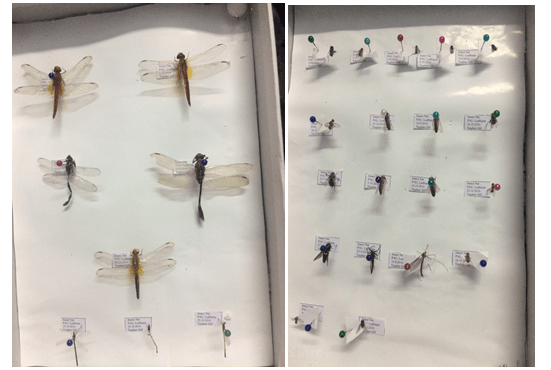
If we directly carry out pinning of some winged insects then the wings lose their original form. Wings of butterflies, moths and dragonflies can be spread out flat on a spreading board. Insert a pin in the thorax of the insect and spread the wings in a particular manner with the help of parchment paper strips.

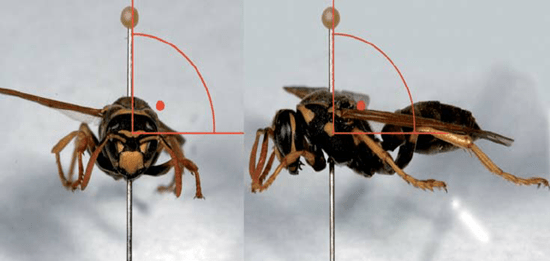
How to do pinning of insects?
Mostly insects are pinned in the thorax but for beetles and bugs pinning is done at the right side of abdomen. For very small insects like aphids and jassids, double mounting is done, in which firstly the insect is pasted on a piece of hard paper with glue and then a pin is put into the paper.
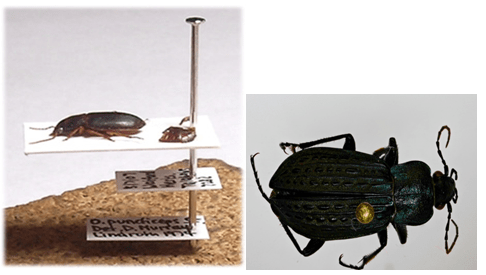
How to label insects?
Although there are lot of ways of labeling insects but the most common manner is to write the common name, scientific name, family, order and place of collection. Take a print out of these labels and put them in same pin that contains insects.
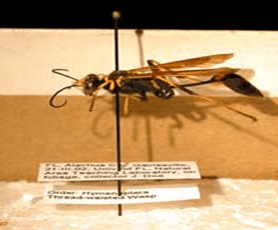
How to protect collected insects from other insects?
Insects like ants and termites mostly feed on dead insects. This happened with me, when I opened my entomology box, it was attacked by ants. We can protect the insects by placing naphthalene balls inside the insect box.
Here is a collection of insects that I collected during my undergrad

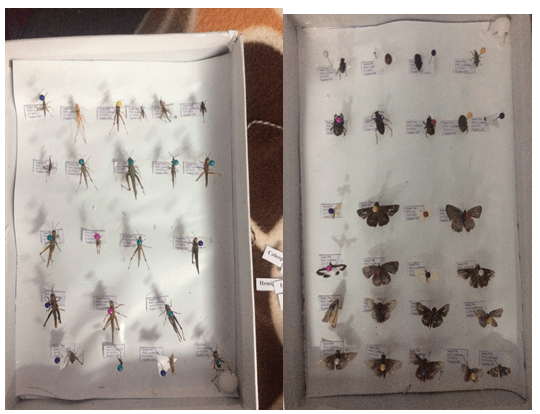
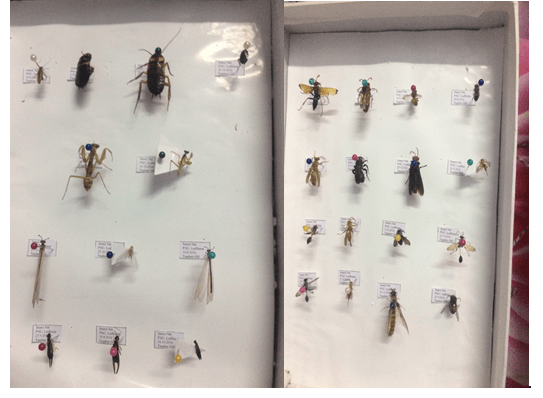
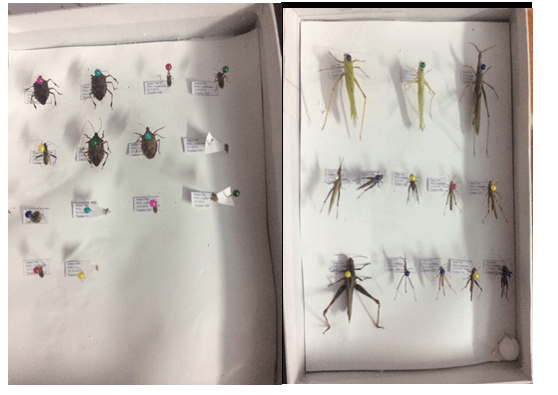
Sneaking to Conduct Research

In the midst of a pandemic, I feel as if I have to sneak around like I’m an international spy in order to do my research.

The title summarizes my sentiments as a researcher at this time. As a graduate student, I’m trying to keep my research on schedule so that I can graduate and move to the next level in a timely fashion. To do so, this means working and irregular hours. I have a hard time envisioning how one can conduct experiments 9-5. Many times we are working 10 hour days and coming in on the weekends. This type of schedule is the reality for most biomedical and basic science researchers. Experiments in the lab do not operate on 8 hours per day schedule. It would be if this were the case, but sometimes you need to make a time sacrifice to catch your growing bacteria in a Log phase before it plateaus, which means coming in over the weekend or staying late. Many studies are timed, and data points, measurements, and analyses need to be done at precise time points. So the next question is, how does one adhere to their research goals when they have been ordered not to leave the house unless necessary? I’ll like to give you a glimpse of that life.
As a graduate student, you may find yourself under the guidance of an advisor that will loosely define your role in the laboratory as “essential personnel.” As a disclaimer, I’m not necessarily saying this is my advisor, but just go along with me on this ride for a second. As “essential personnel,” you are expected to go along your daily activities in the lab for the sake of science…in the eyes of some advisors. I’ve worked in research labs for the last 18 years, and I’ve never have experienced the precautions that we are currently taking amid COVID19. I was in a research lab at my school when a mass shooting was occurring in the next building. (I attended Virginia Tech). So I understood the increased security needed following to gain access to my lab. I’ve conducted research during the H1N1 outbreak and also during a recession. But never have I been in the situation of having to sneak into my lab to do research.
A typical day for me going into my lab now consists of:
- Making sure no other lab member is in the lab, so it turns into a “first-come, first access” situation.
- Going to the police department to sign in and be escorted to my building
- Rigging the doors so that I’m not locked out if for some reason I need to leave out
As of today, the police have been unable to let me in my building because they have the wrong keys.
Long story short, all my experiments will need to be started over because the lock-down has caused everything to die.

What type of obstacles have you encountered in your graduate research since the implementation of social distancing and quarantine since COVID19 pandemic?
US Slaughterhouse Worker Tested Positive for COVID-19
Well, this was bound to happen. As many can take precautions, wash their hands and stay home, many workers in the United States cannot say the same. Sanderson Farms, one of the nation’s chicken producers, said on Monday, March 23, 2020, that one of their workers tested positive for COVID-19.
Sanderson Farms, Inc. confirmed that the worker was contained to a small processing table and according to Joe F. Sanderson, Jr, CEO, “upon learning of the case, we took a number of immediate steps to protect the health and safety of our employees.” The necessary steps have been taken to quarantine the workers that were in contact with the infected employee and those 6 are now at home on paid leave. With the proper steps being taken, Sanderson Farms plans to still operate as normal.

Farmers and traders alike are concerned with slaughterhouses shutting down if someone was infected with the virus. If this happens, the closure would remove the markets for the farmers, continue to drop the stock market, and leave the consumers in more of panic in bulk buying meat for stockpiles.
Sanderson Farms, Inc is a vertically integrated poultry company headquartered in Laurel, MS. This means that the company is fully engaged with each process of the bird including, production, marketing, distributing fresh and frozen products across the country. According to the Sanderson Farms company, they are the third-largest poultry producer in the country, with over 17,000 employees.
As the pandemic continues, Sanderson Farms will continue to ramp up production to help fill the gap from consumers buying out of fear.
With all of this being said, should the consumer worry about their meat being contaminated? No. The inspectors, USDA and the producer itself are doing everything they possibly can to help keep Americans healthy and safe during this time. Support your American ran businesses, purchase as you would normally, and remember that during this tragic time, farmers still need to feed America. And they can with your help!
Source: https://www.agweb.com/article/sanderson-farms-slaughterhouse-worker-tests-positive-covid-19
Source: Sanderson Farms, Inc.
Three Tier Milk Collection System
Hello everyone. My name is Pranav Vashisht and I’m a graduate student of Food Science. Today I’m going to tell you about the famous three-tier milk collection system that is followed by the Anand Milk Union Limited (AMUL), India which made this cooperative as the largest dairy cooperative of the country.

This system was introduced by the Dr Verghese Kurian, a father of the white revolution. This consists of Village Society, the District Union and the State Federation.

Under Village Society, there are dairy cooperative societies (DCS). Each DCS has a milk collection centre where members take milk every day. The milk given by each farmer is tested for quality and payment is given based on the percentage of fat and solids not fat (SNF) in it. Further, at the end of each year, the profit earned by DCS is distributed as a bonus among the farmers and members depending on their contribution.
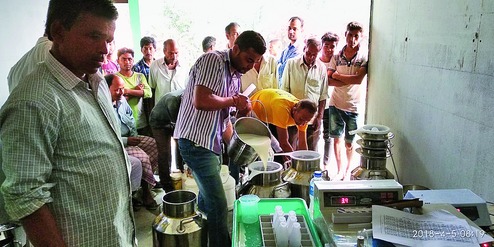
The work of District Union is to buy all the milk from DCSs and then process it and distribute it in the market. These Unions also provides inputs and services to DCSs like feed, veterinary care etc.

The state federation is responsible for the marketing of the fluid milk and products of member union. Some federations also manufacture feed and support other union activities.
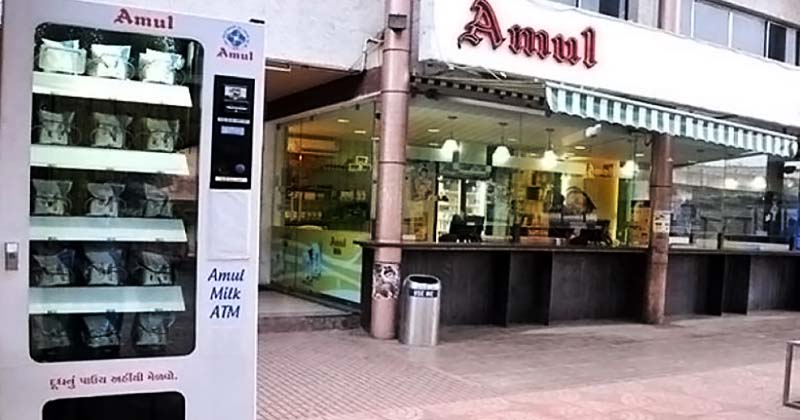
The members say that the reasons behind the success of Anand Pattern are the involvement of people in their own development, control of institutional infrastructure by the farmers and the direct linkage of producer with consumers.
Although this system was introduced in 1970 still now this system is seen as an ideal system for milk processing and it is followed by many big dairy cooperatives throughout the world.
Strength in numbers: Celebration of Women in Agriculture
In honor of Women’s History Month, I want to take a minute to talk about the women that have shaped American Agriculture and continue to do so today.
According to the U.N. Food and Agriculture Organization (FAO) women represent 43 percent of the world’s agricultural labor force. In developing countries, women make up 40 to 60 percent of the food production-women are the priority. In America, women have had a substantial hand in the farm since the turn of the 19th century. By the end of the Second World War, more than six million vacant farm jobs had been fulfilled by young people and women alike. Almost every wife, mother, daughter jumped in a filled the jobs that were needed. They became engineers, farmers, teachers, mill workers, plowers and more. Women who did farm work were members of the Women’s Land Army of America (WLA), and these women received training, uniforms, and were known as land girls or farmerettes.
This was a necessity, just as it is today. These women set the foundation of all the generations after them, that strive to run the family farm and keep it up and functional. I was first introduced to the history of women farmers through research and the Female Farmer Project. This is a documentary project by women for women in agriculture. Personal essays, stories, and a documentary film are just a few ways they are working to empower and inform about today’s Women’s Farming Army.
We may not fully know the struggles and trials of the farm unless you are fully involved. We must look at our past to see where we have come and how we can work to improve the future of women farmers. Physically, mentally, and financially. I may just put out a garden each year, have a few chickens and horses, but does that still connect me to the farming community? Of course! The moment my hands hit the dirt, the moment I breathe in the mixture of sweat, leather, and horse, I am connected to my past in an unexplainable way. The stresses of the world are minute to the bigger picture in front of me at the time. I am proud to be a woman connected to agriculture-my heritage depends on me to educate the next generation about the importance of the farm and that anyone can do it.
Take a moment to look into your past, find the women that shaped your decisions, life, and commitment to agriculture. Celebrate them, show them that you care and are grateful for the hard work they set in order to get you where you are.
Until next time.
Source: https://www.resilience.org/stories/2020-01-30/the-rise-of-women-in-agriculture/
Chilling Injury
Most of food losses occur at the post harvest level. One of the main contributors of post harvest losses faced in Trinidad and Tobago is chilling injury. Chilling injury is what happens to some commodities of tropical origin held at the wrong storage or transit temperature, but a temperature above 32°F (0°C). Generally these are temperatures around 41-50°F (12.5°C).
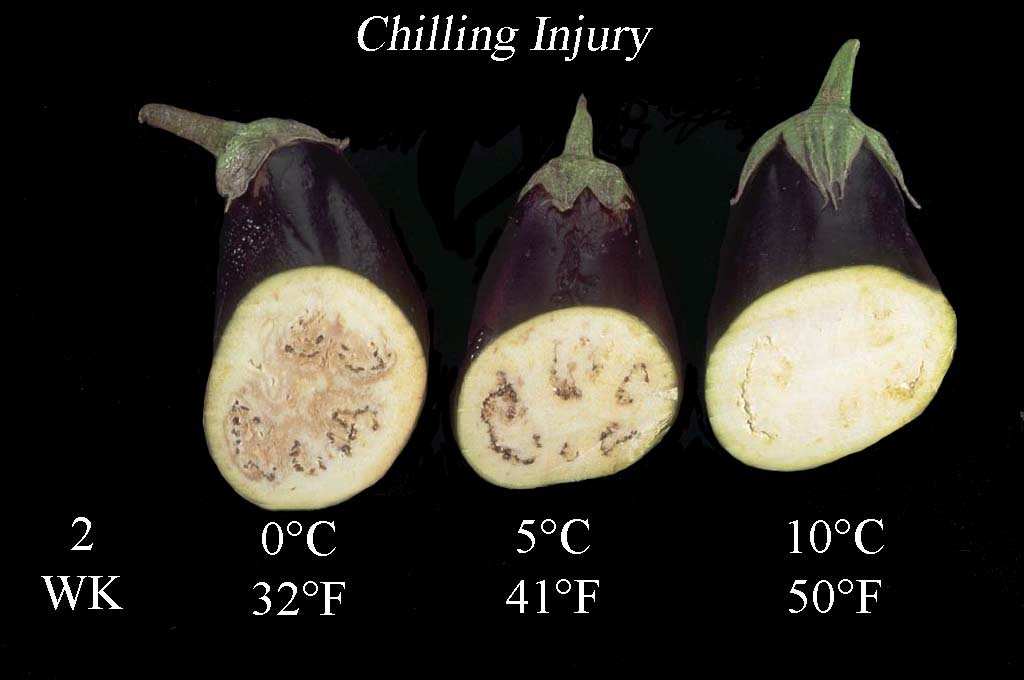
Chilling injury occurs at temperatures well above the freezing point. The temperature causes the tissue to become weak which then leads to cellular dysfunctions. Symptoms of chilling injury include surface lesions/pitting, internal discoloration, water soaking of the tissue, failure to ripen normally and increased susceptibility to decay organisms such as Alternaria. The maturity at which the harvest takes place also affects the susceptibility to chilling injury in products such as tomatoes, honeydew melons and peppers.
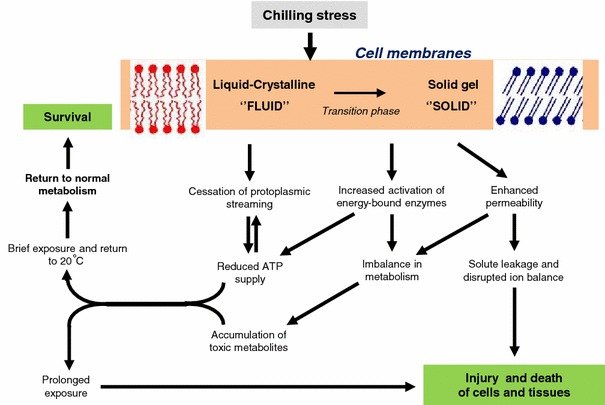
Factors affecting the susceptibility to chilling injury include the origin of the commodities, genetic makeup of the commodity, stage of development or maturity, metabolic status of the tissue, and a number of environmental factors such as temperature, light, relative humidity, and atmospheric composition.
ALLEVIATION OF CHILLING INJURY IN TROPICAL AND SUBTROPICAL
FRUITS
Low Temperature Conditioning. Exposure of chilling-sensitive tropical and subtropical commodities to temperatures slightly above the critical chilling range increases the tolerance of these commodities to chilling during subsequent low temperature storage and delays the development of injury symptoms. Apparently, low temperature conditioning induces an adaptive response in commodities to chilling stress.
High Temperature Conditioning. Short term treatment with temperatures higher than 35°C can reduce chilling injury of some commodities.
Intermittent warming is the interruption of low temperature storage with one or more short periods of warm temperature.
Controlled atmosphere may be beneficial, detrimental or have no effect in alleviating chilling injury. Most commodities respond favorably to a decrease in oxygen level and an increase in carbon dioxide concentration.
Growth Regulators such as Abscisic acid (ABA) stabilizes the microtubular network, suppresses ion leakage,and prevents loss of reduced glutathione and membrane phospholipids.
Chilling injury is responsible for substantial post harvest losses in tropical and subtropical commodities. The effectiveness of these methods in reducing chilling injury often varies with the commodity and is affected by the maturity and physiological state of the commodity as well as a number of environmental factors. It is important to use the required storage temperature to prevent Chilling injury.
Garima & Mahima: The two famous names in the world of clones
Hello everyone. My name is Pranav Vashisht and I’m a graduate student of Food Science. Today I’m going to tell you about the cloned buffalo Garima and her daughter Mahima.
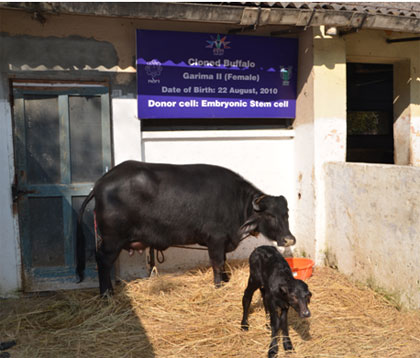
India has a huge population of buffalo (around 56% of the world’s buffalo population) but still, the country is facing problems because most of these buffaloes are low milk producer and of inferior quality.
So to overcome these difficulties scientists of National Dairy Research Institute, Karnal have developed the cloning technique named as “Handguided Cloning Technique” which is an advanced version of the conventional cloning technique which requires high investment and sophisticated equipments. They produced the first and second cloned buffalo calves of this world with the help of this technique.
The first buffalo calf produced was born on 6th February, 2009 which died within 07 days after its birth. But scientists didn’t give up and on 6th June 2009 they produced the second cloned calf “Garima”. This calf was healthier with the birth weight of 43 kg and was taken care of properly. The calf was reported to be grown at the rate of over 800 g per day which was higher than the normal calf’s growth rate which is around 500 g and had 202 kg of body weight within 06 months of age.
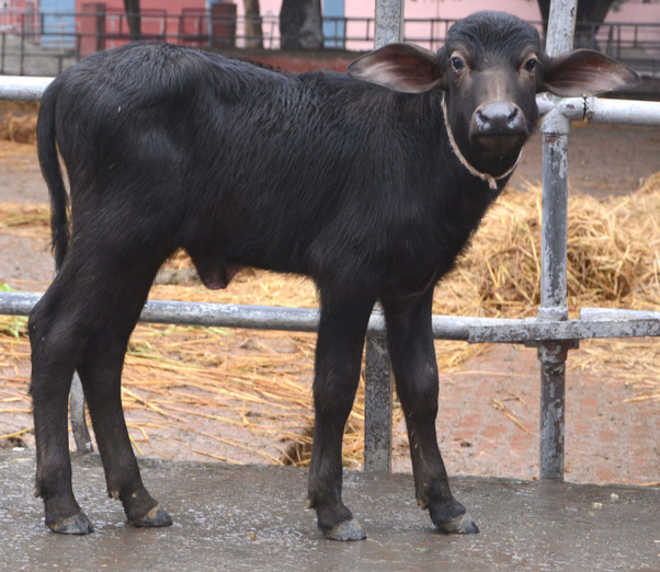
But the story doesn’t end here. This cloned buffalo was once again in the news because it gave birth to another female calf on 25th January, 2013. Scientists named her as “Mahima”. Mahima was delivered by normal parturition. It was reported to be healthy and of 32 kg body weight when born.
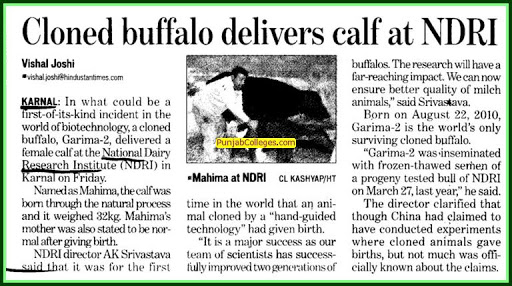
Researchers say that this is only starting and “Handguided Cloning” has a long way to go but it is a good technique to meet the demand for milk production of the growing population.
Plasma
Hi Friends! Today I have come up with a really interesting topic for you. Have you ever thought of using the fourth state of matter in the world in a beneficial way? Here we will discuss about how to excite atom to fourth stage and its applications.
Plasma, the fourth state of atom is a partially ionised gas comprising ions, electrons, ultraviolet photons and reactive neutrals such as radicals, excited and ground-state molecules.

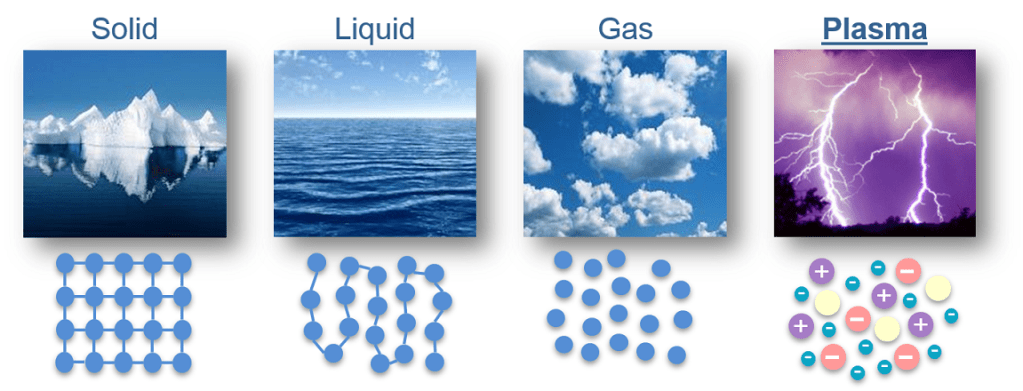
The change of phase from solid to liquid and further to gas occurs as we increase the energy input. Thermal plasmas can be generated by inductive coupling of high-frequency fields in the MHz range or by microwave coupling in the GHz range or by D.C. coupling (arc lamp discharge) to gaseous medium thereby increasing the kinetic energy of the electrons resulting in increased number of collisions in the gas forming plasma products like electrons, ions, radicals and radiation of varying wavelengths including the one in UV ranges.
In food processing, the direct application of so-called “cold plasma” is of interest as these can be used to treat the food at low temperatures (<70 °C). This technology can be placed among those novel green technologies because its combination leads to enhancing food safety, quality and shelf life of food product without affecting the nutritional and sensory attributes of foods with a chemical-free and low temperature technique. Moreover, scientists were successful in inactivating pathogenic microorganisms like E. coli, Salmonella and Listeria in food stuffs like almond, apple, cheese, eggs, ham, melon, pork, bacon, mango and many more.
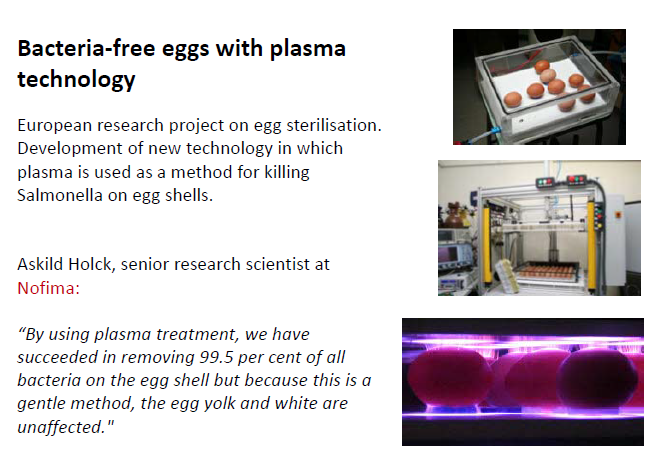
In addition to the food industry applications plasma can also be used for air-water purification, in high tech systems as semiconductor, polymers, as a renewable resource for producing efficient lightening, wound healing and cancer treatment.
 AGSC 5110 Research Methods