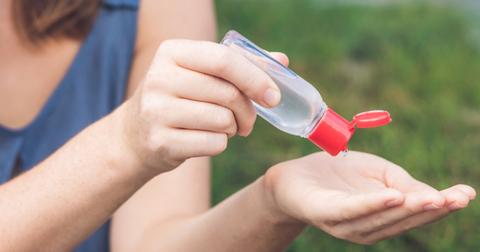
I know me personally as well as the rest of the world has been greatly affected by this new out break of the Coronavirus (Covid 19). In many places it’s caused widespread panic buying and because of this many people aren’t able to find essential household items. One of these items which is pretty important at the moment is hand sanitizer. Sales for hand sanitizer have skyrocketed 73% since this same time last year. Leaving many shelves empty and with online stores selling them as high as $400… Yikes!!!
No need to worry though because there are some alternative homemade solutions that work just as well as the manufactured ones. And the great thing about it is, most people can find these in your bathroom cabinets.
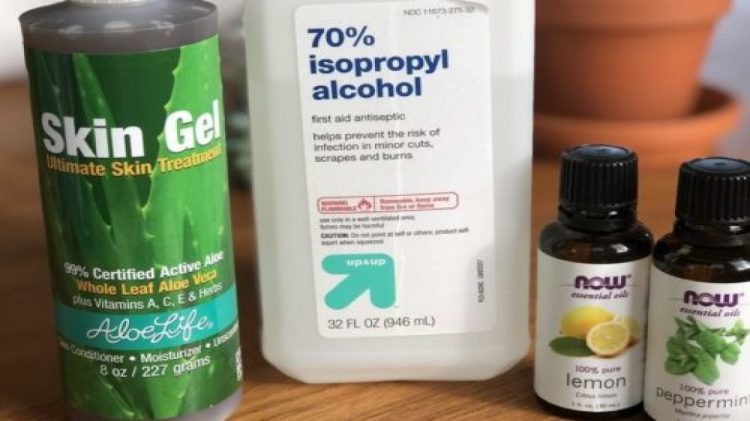
two parts isopropyl alcohol or ethanol (91 percent to 99 percent alcohol)
one part aloe vera
a few drops of clove, eucalyptus, peppermint, or other essential oil.
Hand sanitizer is a handy on-the-go way to help prevent the spread of germs when soap and water isn’t available, but don’t forget soap and water is the most effective way of keeping Covid 19 away. Stay safe world!!!
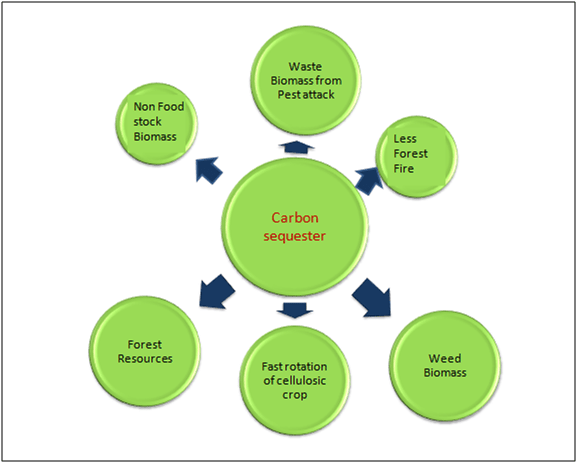
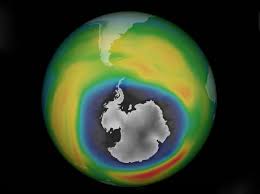
The question of global climate modification, specifically emissions of greenhouse-gas must be reduced. Fossil fuel Emissions are the prime contributor to the greenhouse effect, so it is evident that reduction in fossil-energy utilize is a main concern. A green technology that may withdraw the carbon from atmosphere proves so active in multi-faceted challenges. Long term and substantial withdrawl with lower risk of rapid leakage is heavily desirable on the carbon sequestration tool. Biochar sequestration is such a sound technology when merges with bioenergy production, it reduces emissions as well as sequesters carbon. Plantation, an existing option for carbon capture has already been accepted under Kyoto Protocol. “Pyrolysis” (heating treatment of the plant biomass without oxygen at low temperature) of this afforested biomass can take the sequestration to next level. Containing double carbon content than ordinary biomass, Biochar, captures carbon in more long-lasting form. Pyrolysis sufficiently enhances the carbon sequestering and energy production.
Flowchart of Carbon sequester source in eco-friendly way
Carbon species present in Bio-char range in highly intricate carbon like graphite to high molecular weight aromatic rings, which can persevere for thousands to millions of years in soil . If 10% of the world biomass NPP is converted into charcoal, at 50% yield and 30% energy from volatiles, it would sequester 4.8 GtC/yr, approx. 20% more than the current annual increase of atmospheric carbon, at 4.1 GtC/yr.
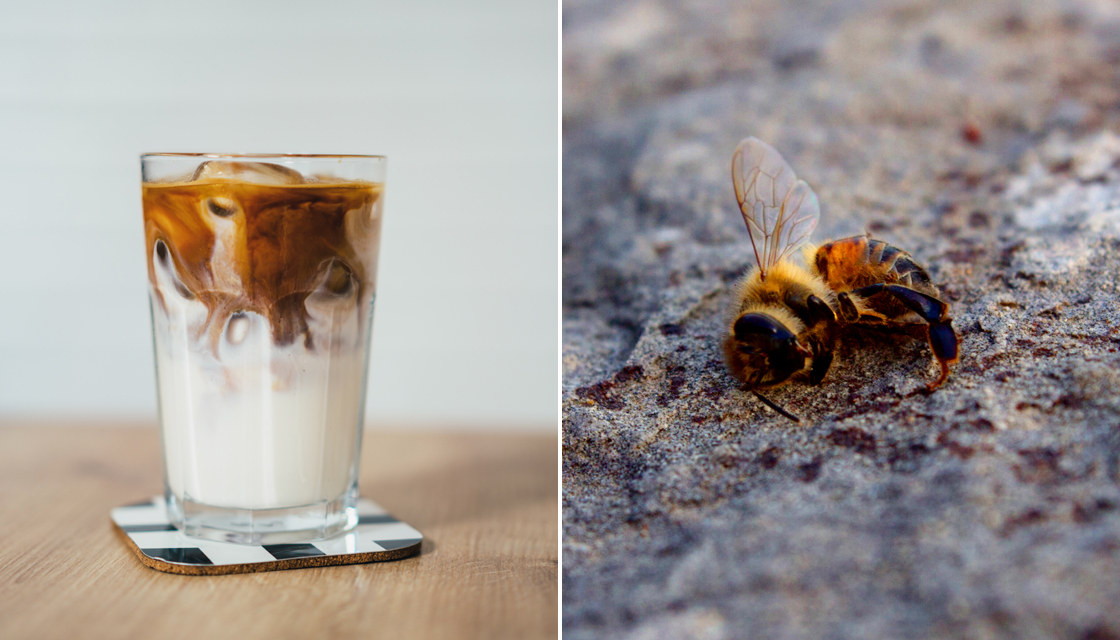
I don’t know about you, but me personally… I love almond milk. Ever since I gave up on products that contained soy, Almond had been my alternative. So when I caught an article online that said my obsession of almond milk products has a deadly effect on bees, I was astonished. A recent survey of commercial beekeepers showed that 50 billion bees – more than seven times the world’s human population – were wiped out in a few months during winter 2018-19. This is more than one third of commercial US bee colonies, the highest number since the annual survey started in the mid-2000s. One of the problems stems from the lack of diversity of the almond orchards themselves, being mono culture the bees need more plant diversity to be healthy. Another big problem is that almond orchards are sprayed heavily with pesticides, and with the bee population being so high, they tend to spread disease. The world (which includes me) will continue to consume almond milk, but there are options called “Better Bees” which help out. So just a little to think about the next time you’re get your next carton.
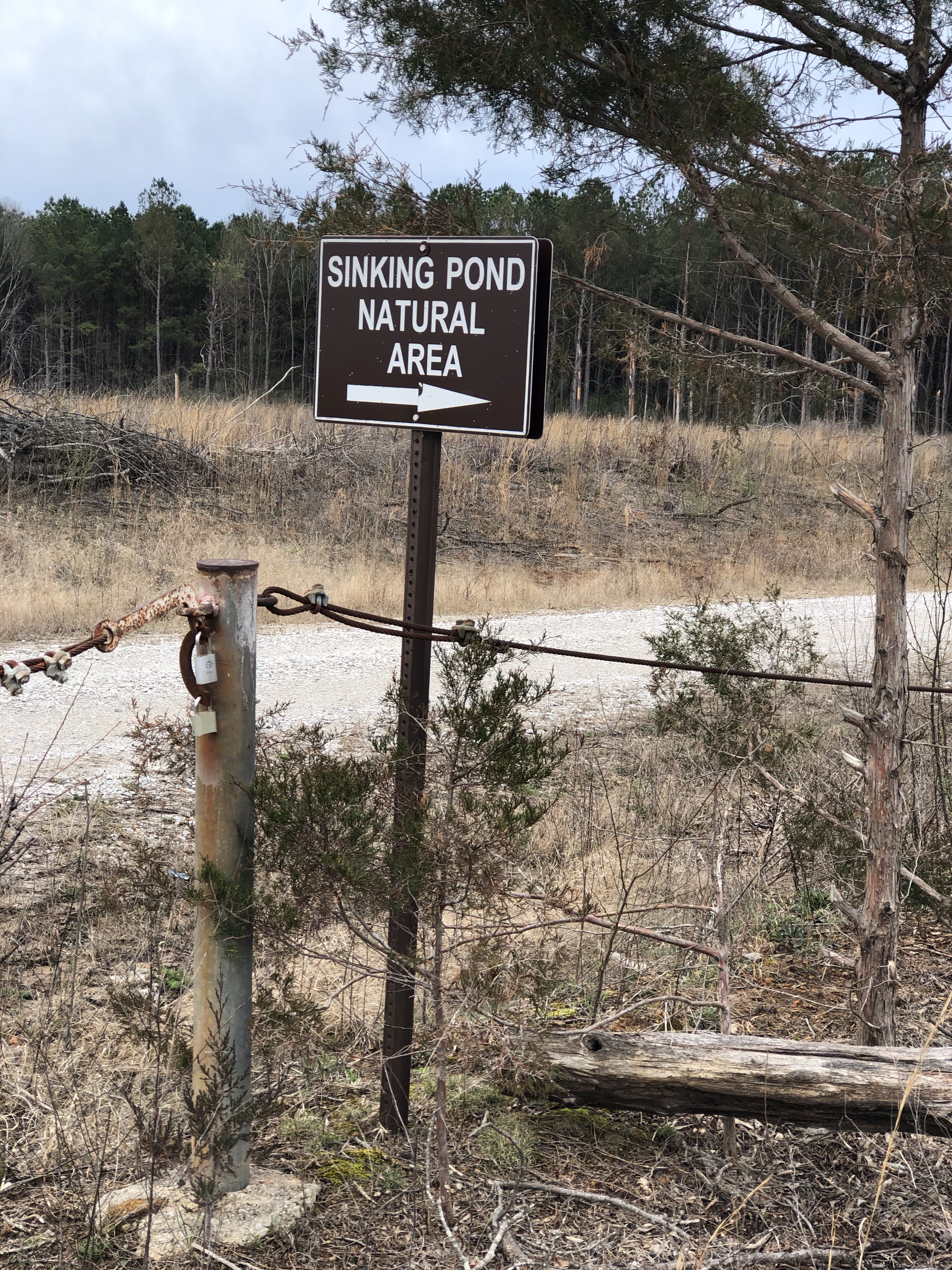
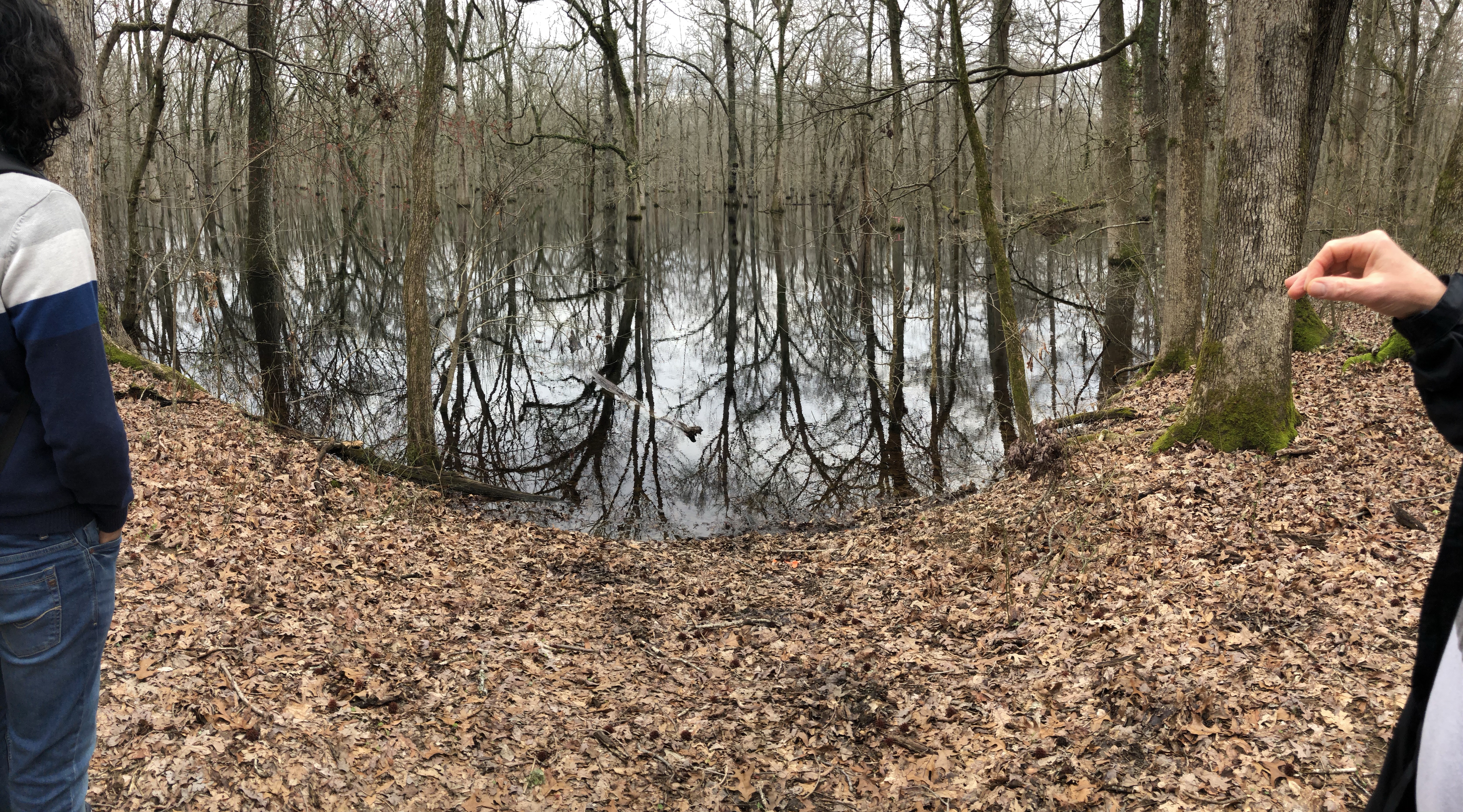
My last physical in person class was a field trip to Sinking pond, which is located on the Arnold Air Force Base. Sinking Pond is a wetland that is monitored and cared for by the scientists that work on the air base. It a very beautiful place to visit!
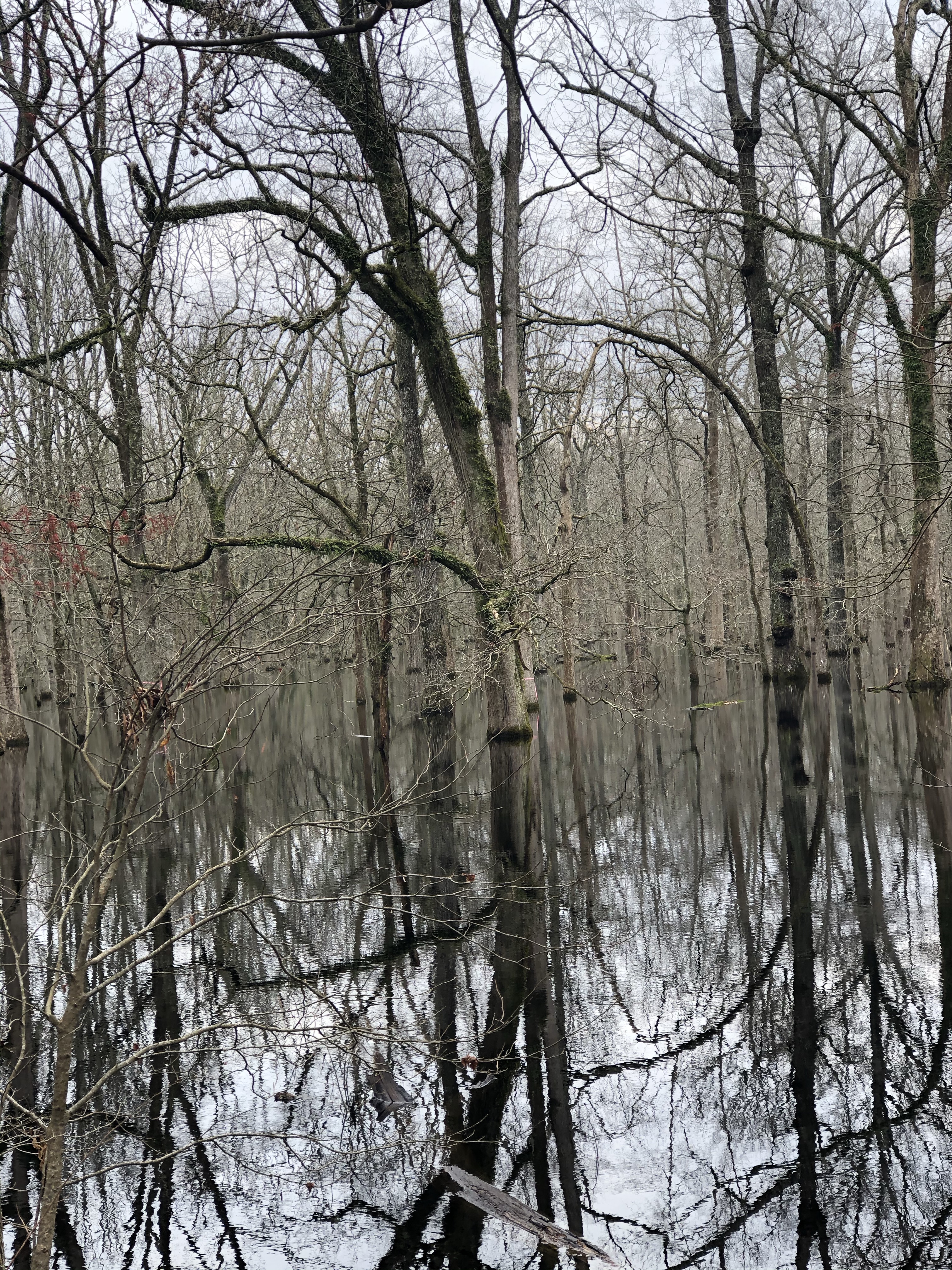
Sinking pond however is experiencing changes to its hydrology. The water level, for example, is mostly higher than past recordings for longer periods of time during the wet season. With these hydraulic changes there are strange behaviors observed that are not common in middle Tennessee. Such as finding coastal wetland biota in this vernal pool wetland.
Vernal pools are seasonal depressional wetlands and they house various wildlife and vegetation. This field trip, we searched for amphibians or any type of wildlife that thrive in this wetland habitat. Here are some we found!EXTRA POINTS if you can name them all! 😁
What makes Sinking pond interesting is that this type of wetland has a direct ground water connection to Dry Creek. This pond usually sinks, hence the name sinking pond, the water gain from rainfall into the groundwater table and eventually that connects to Dry Creek. However there is something preventing the water level to lower these past couple of seasons and this has caused some changes to this wetland ecosystem. More research is been done to help identify environmental factors that changing this wetland.
What do you guys think is preventing the water level from sinking?
Tennessee State University has joined every other higher learning institution in the U.S with transitioning to mandatory online education. One can argue whether the transition was smooth, but this is our reality. Being forced online has questioned the need for in-person learning. I’ve been a part of many debates regarding online education. From a personal point of view, it seems as if online degrees still are not respected as much as traditional in-person institutions. Albeit, I do not have any survey data or statistical numbers to back up that last statement, this is solely a personal opinion and observation among my circle of associates.
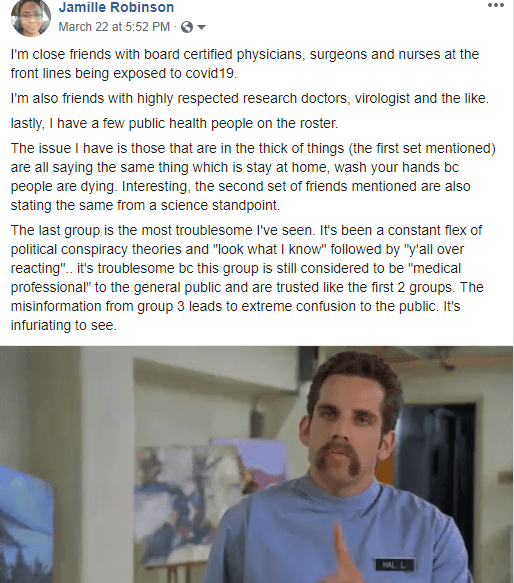
I recently posted online about how I saw a clash in warning amongst my medical professional friends. My post specifically said
The following discussion included a lot of commentary regarding how many public health people get degrees online, and there s no way they can do the clinical work needed for these degrees. I had no opinion in this discussion because I am a bit ignorant about the requirements of public health professionals. The part of the conversation that attracted my attention was the overall lack of respect for those that indeed received online degrees. Who would have thought that the entire nation would be converting their semesters to online curriculum?
Now that we are officially fully online, I have gained a new respect for online degree programs. I love having the in-person experience, but there have been many times in lectures where I have thought to myself, “I didn’t need to come to class for this.” I’ve noticed that some professors have increased the amount of work and difficulty level of their exams now that we are online. It’s clear which of the academic staff was comfortable with the switch, and witch of them are having a hard time converting. For example, I have a class that is scheduled to have its first online class on April 8th due to the professor needing to “get things in order.” That last time we met was March 11th. Take what you want from that info.
Now that we are online, I’m wondering how many of the current in-person classes will be converted to digital courses in the future. It seems that the professors that are doing well with the conversion seem to enjoy the freedom allotted.
Every day I try to look at the positive in everything that is occurring. It’s a hard task to do, but I think to keep my mind from going crazy, it’s the best route to pursue. In doing so, I think one of the benefits of the COVID19 pandemic is that academic institutions will now need to reevaluate the benefits of offering more classes online seriously. Doing so could mean that more courses could be offered, and students could graduate sooner or actually in 4 years. The reality that all classes have been converted to online status means that classes that were usually only offered in the fall could now be offered in the spring and vice versa. The only caveat now is finding the workforce to teach the extra load. If accomplished, then this could be a boost for the university by hiring more adjunct professors that could teach core classes online.
I do not believe a complete conversion is possible for all disciplines, especially on the graduate side. There are disciplines such as engineering, biology, chemistry, architecture, and fashion design that need to be hands-on at some point in the educational process. I can’t imagine taking a biology lab online unless it starts becoming widely accepted to do the lab as a virtual reality component. I’m aware of some medical schools opting to do their human cadaver anatomy studies via virtual reality modules, especially in cases where there is a shortage of cadaver donations. If this technology is working in the medical field training, then is it plausible that it can succeed in biology training. There will still come the point where muscle memory will need to be implemented in these fields at some point, maybe at a higher level, such as residency or graduate school. For right now, I think the bright side of the current crisis is that we are being thrust into a new way of learning that may adversely benefit in the long run.
What are your thoughts? Do you still prefer to go to class in person? Do you think universities will open more programs to being offered online in the wake of this crisis?
I was preparing to participate in the “Week of the young child” event to be held at Tennessee State University on April 8, 2020. However, it was cancelled due to the covid-19 outbreak. I intended to engage the kids via activities that would teach them about global warming and enlighten their guardians on what they could do and teach their kids to help mitigate the adverse effect of global warming. Since the event was cancelled, I would be sharing some information here relating to strategies that can be used to enlighten kids on the effect of global warming during this difficult time when everyone is obliged to stay at home.
Climate change refers to a change in the average conditions such as temperature and rainfall in a region over a long period of time. For clarity, the difference between the weather and the climate is that the weather describes the current condition of the atmosphere in a place. It includes conditions such as rain, snow, wind, tornadoes amongst a lot of other weather events. On the other hand, climate describes the weather conditions that have been observed and are expected over a long period of time in a region. The impacts of climate change include but are not limited to threats to animals and their habitats, wildfires, sea level rise, heat waves and extreme weather events such as heavy rainfall and drought.
A lot of factors can lead to a change in climatic conditions, however scientists agree that the earth has been getting warmer since the past century and would continue to get warmer due to human activities and this has been termed “global warming”. Specifically, global warming is the increase in the earth’s average temperature over a long of period time. The global average temperature of the earth is a big deal because it combines the temperatures (either hot, cold and extreme temperatures) of all locations on the earth. It is a very important indicator of changes going on in the Earth. A rise of just one degree Celsius (℃) on a sunny day where you live may have little or no effect. However, a 1℃ rise across the earth has a larger impact.
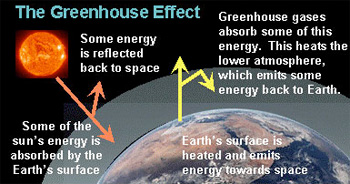
A major cause of global warming is the increase in greenhouse gases trapped in the atmosphere. Green house gases include carbon dioxide, water vapor, methane, nitrous oxide, and ozone. These gases play an important role in the Earth’s climate, they trap some of Earth’s heat energy referred to as greenhouse effect, so that the heat energy trapped doesn’t all escape into space, otherwise, the earth would be a much colder place. However, some human activities, such as the burning of fossil fuels (coal, oil and natural gas) for energy in power plants, factories and transport systems has led to a build-up of greenhouse gases in the atmosphere, thus causing global warming and inducing climate change.
Fig 1: Describes the green house effect
How can we as adults and kids mitigate the effect of climate change on the earth? There are a lot of basic habits we can inculcate into our daily lives rather than feel like it is a scientific problem. Many of our daily activities contribute to the emission of greenhouse gases into the atmosphere. Here is a list of few things you can do to save the earth.
Enlighten kids and individuals who are not aware about climate change so that they can develop habits that would reduce climate change effect.
Wear a warm sweater instead of turning up the heat, and open your windows and turn on a fan instead of blasting the air conditioner to save energy, the more energy is consumed, the more fossil fuels are combusted and green house gases released into the atmosphere.
Cutdown on the amount of electricity you use by unplugging phone and laptop chargers when not in use. It’ll save energy and save you money on energy bills.
If you see a door wide open in the summer, close it. An open door to an air-conditioned building can let 2.2 tons of carbon dioxide escape over one summer.
Air dry your freshly washed clothes. This would help to save energy and thus reduce greenhouse gas emission.
Utilize clean renewable energy sources such as solar energy as they do not burn fossil fuels.
Turn off the lights when leaving a room to reduce electricity usage.
Take shorter showers and turn off the tap while brushing to reduce the amount of water you use, as energy is utilized in pumping and heating water.
Plant trees to absorb carbon dioxide, which is a greenhouse gas.
Recycle to reduce waste. When we recycle products, less energy is needed to extract, transport and process materials to manufacture products.
carpooling to events when you and your friends are going for the same event, rather than each person driving individually, thus consuming more gas and releasing more carbon dioxide into the atmosphere.
Walk or bike more often. Biking or walking just one mile a day for a year could save 330 pounds of carbon dioxide which could have been emitted while driving.
You can learn more about teaching kids climate change by visiting the website https://climatekids.nasa.gov/. It’s our responsibility to save the earth; you can start by making conscious effort to apply the recommendations to your daily routine. Note that the preservation of the earth is not limited to the above stated recommendations.
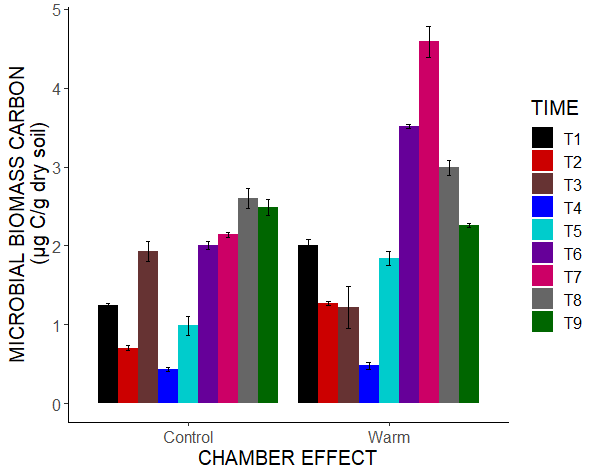
I joined the lab of Climate Change and Soil Biogeochemistry group at the Department of Agriculture, at Tennessee State University on January 13th, 2020. One of my goals for graduate school was to learn R programming language for statistical computing and data analysis. Since I joined my research group, I joined the lab of Climate Change and Soil Biogeochemistry group at the Department of Agriculture, at Tennessee State University on January 13th, 2020. One of my goals for graduate school was to learn R programming language for statistical computing and data analysis. Since I joined my research group, I have engaged in various laboratory assays relevant in my field of interest, which focuses on the impact of global warming on soil microbial processes. Based on the data collected from the experiments I conducted, I had to carry out data analysis using a statistical package to draw relevant conclusions from the experimental data. Statistical packages such as R project, SAS, SPSS, etc. help in the analysis, interpretation, and visualization of data. Thus, this month I learned how to write codes in the ‘R project’ for statistical analysis and data visualization. Specifically, I learned how to conduct a repeated measure analysis of variance (ANOVA). A repeated measure ANOVA is suitable for studies that investigate either changes in mean values over three or more time points and/or differences in mean values under three or more varying conditions.
Considering that I had no prior programming experience in R, I was initially overwhelmed by the number of resources online and did not understand how to use the R project software for statistical analysis. However, with a continuous study of resources and surfing of the internet for relevant materials to aid my learning process. I found the following weblinks and YouTube videos very helpful. If you are new to the R programming language, I encourage you to subscribe to “Statistics of Doom” YouTube channel, the channel contains a lot of resourceful videos. Also, I found the following websites to be very helpful; https://www.r-bloggers.com/how-to-learn-r-2/https://rcompanion.org/handbook/I_09.html https://stats.idre.ucla.edu/r/seminars/repeated-meaures-analysis-with-r/ and https://osf.io/dnuyv/ with the knowledge gained from using the above resources, I successfully analyzed my data and generated a graph similar to the graph below for my lab group presentation.
Let me know if you find this resource helpful. If you have any other additional resources that can help learn the R programming language, do let me know in the comment section.
I have always been an optimist, just always believed that I could get so many things done on my own. I was so driven and always thought I could change the perception and actions of people around me and make them see reasons why the environment should be conserved. I assumed I could do it all on my own, I imagined that all I needed to do was excel in college , polish my communication skills, volunteer for non-governmental organizations, all of which I did, side note, I am a serial volunteer.
I forgot the place of working together with people, I ignored the importance of collaborative networking, I shook off the idea of one can chase a thousand and two can chase ten thousand, I am telling you this today because nobody really succeeds being alone in the real world, You will always need people, when you get tired of the course you are driving, you need a support system they will say!
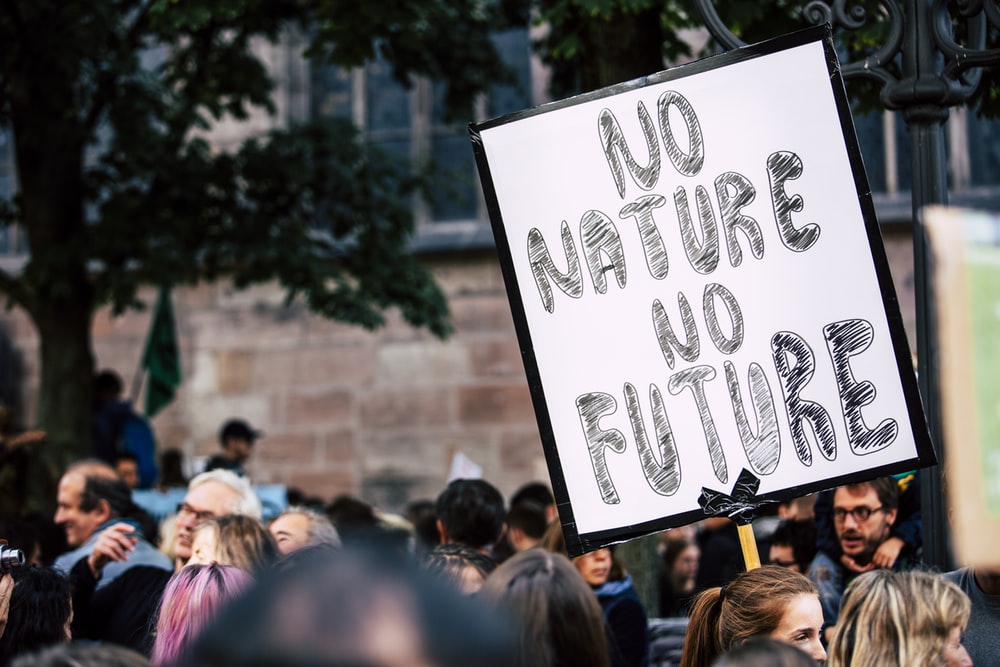
Do I really need people? Affirmatively I am saying yes, I need people, the world showed me I will always need people. Today I am telling you I need you, to help drive the course of environmental sanity, I need you to be conscious of how you participate in any unsustainable action, I need you to be careful when disposing your waste, I need you to recycle, I need you to know that a plastic bottle in an ocean is a threat, I need you to stand up wherever you can for wildlife, I need you to know that the earth is more valuable than money, I need you to know that there is no planet B, I need you to always remember to be a part of the solution and not the pollution, I need you to be conscious of nature, I need you to know that we don’t have to wait till the whole world is in chaos to take actions for the environment.
And I also need you to need people, because those people will also need people and together we will make a significant change!
Thank you for your time.
I am Adekunle Adeyinka, a graduate student at Tennessee State University.
Sincerely, nobody prepares you for a lot of things when you decide to move out of your own country and comfort zone to pursue something better, or what you perceive as good in a country that is thousand of miles away. One of such things is culture shock, it is a lot to handle, well not to generalize, it was for me, it was a lot to handle. It starts manifesting most of the time after the “honeymoon phase” The joy of studying and living the life of your dreams in the almighty United States of America, This phase is full of so much excitement and positive energy.
Culture shock comes from the natural contradiction between our accustomed patterns or behaviors, all of a sudden the reality of our differences starts glaring into one’s eyes. Why is everything so different? why do they talk like this? Why do they act like this? are questions I had asked my self so many times, the psychological conflict of trying to maintain my culture or adopt the new culture, what makes it even harder is if one stays in denial, claiming to be perfectly fine about the sudden change when one is not.
As a graduate student there was that underlined fear of functioning in an unfamiliar social and academic setting without a clear understanding of how to thrive, there was the struggle of always trying harder to understand the rules of the game. There were so many unrealistic expectations I had of graduate school and my perceptions of what life looks like studying abroad which I have now realized are naive and very stereotypical. What really helped was the fact that I came out of denial and decided to accept that I am okay for feeling that way, I could not trace it back to the source because it started from the little things, but acceptance made the difference.
I have also realized that I am allowed to take one step at a time, I am moving on and still trying to figure all of “This”out. I still sometimes ask myself millions of questions I do not even have answers to, but one sure answer I have is I am defining a career path that I am passionate about, and although I am still unraveling the mysteries of studying abroad as a graduate student, I definitely know it is a means to the greater end.
Moral of the blog post, living abroad as an international student can be scary at first, graduate school can get overwhelming, even for the most passionate and most seemingly intelligent ones, but remember you are never alone, and it is always a means to a greater end. So! Fighting!
I am Adekunle Adeyinka, a graduate student at Tennessee State University.
When there are little or no medications/vaccine, I think that the most beneficial things for the human body is sleep. Methodically speaking, there are steps you can take against preventing a virus from reproducing and build up your immune system responses. We all are aware of how sleep is beneficial; some biology of immunology’s is required to understand the mechanism behind sleeping and how lack of sleep affects our immune system. Sleep studies have revealed the science behind how the immune system lowers any chance of foreign replication. In the human body, in the case of viral infections (COVID-2019), we have antigen presenting cells (APC) that attaches to the infected cell, these antigens are presented on the outside of the cell and interacts with the CD4+ also known as T helper cells. The CD4+ attachment is the most crucial part and most beneficial to the human immune system, because this is the site where the antigens will attach and releases the interleukin-12 (IL-12) cytokine, that enhances the signal of CD4+ signal, who also stimulates the CD8+ (killer T Cells) and B cells at the same time and that produces antibodies that attach to the antigens and neutralize them. Most importantly, there is an inhibition caused by Gα s-coupled receptor signaling and sleep regulates integrin activation of human antigen-specific T cells (Dimitrov et al., 2019). Which means when there is binding in wakefulness, of isoproterenol, epinephrine, & norepinephrine to Gα s-coupled receptor on the killer T cells, that cause an inhibition of beta 2 (B2) integrin proteins, which allow binding to the effected cells. This makes it where there is no binding from the T killer cells to the foreign invaders and the virus can reproduce or evade the immune system.
 Sinking pond however is experiencing changes to its hydrology. The water level, for example, is mostly higher than past recordings for longer periods of time during the wet season. With these hydraulic changes there are strange behaviors observed that are not common in middle Tennessee. Such as finding coastal wetland biota in this vernal pool wetland.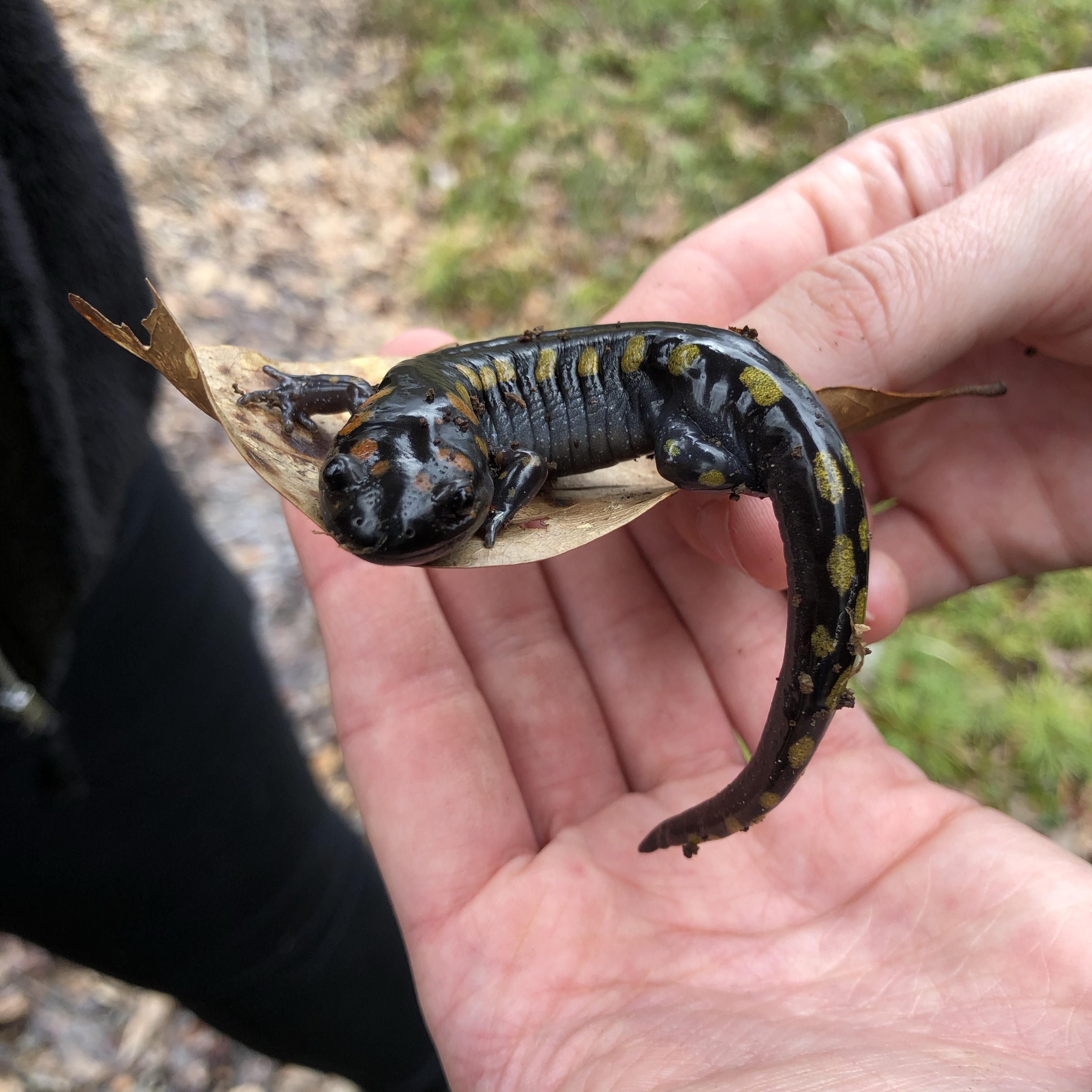
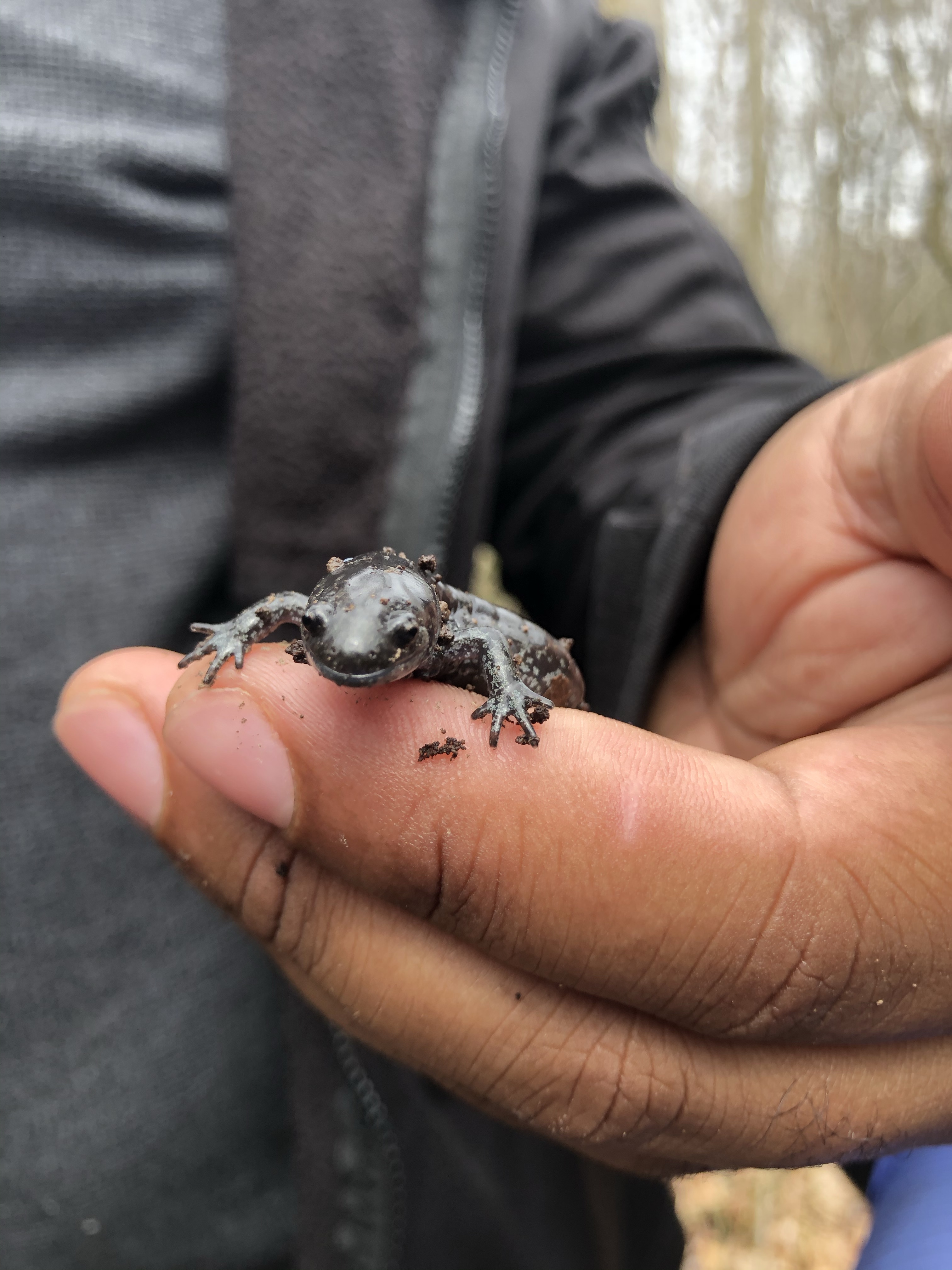
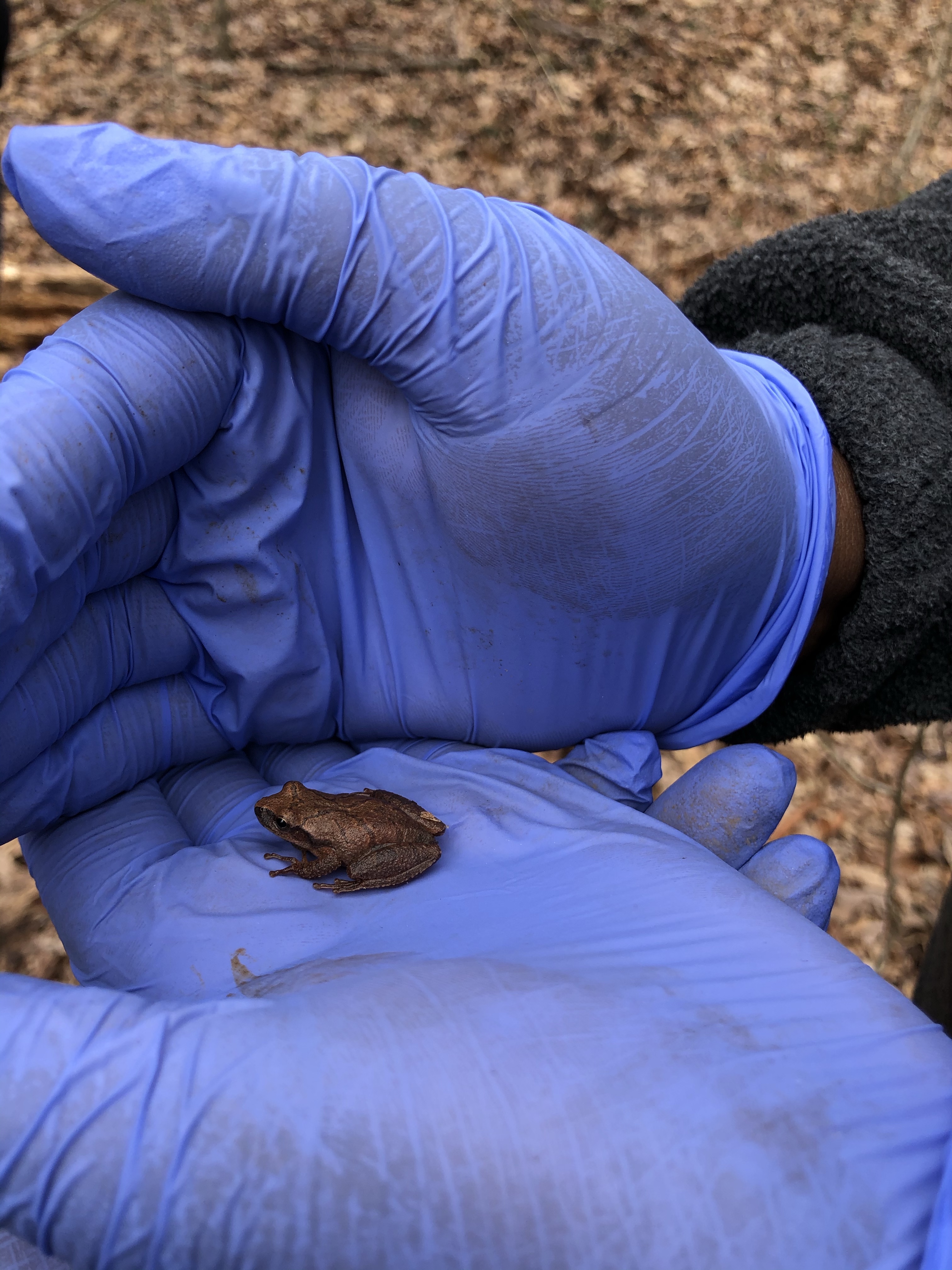
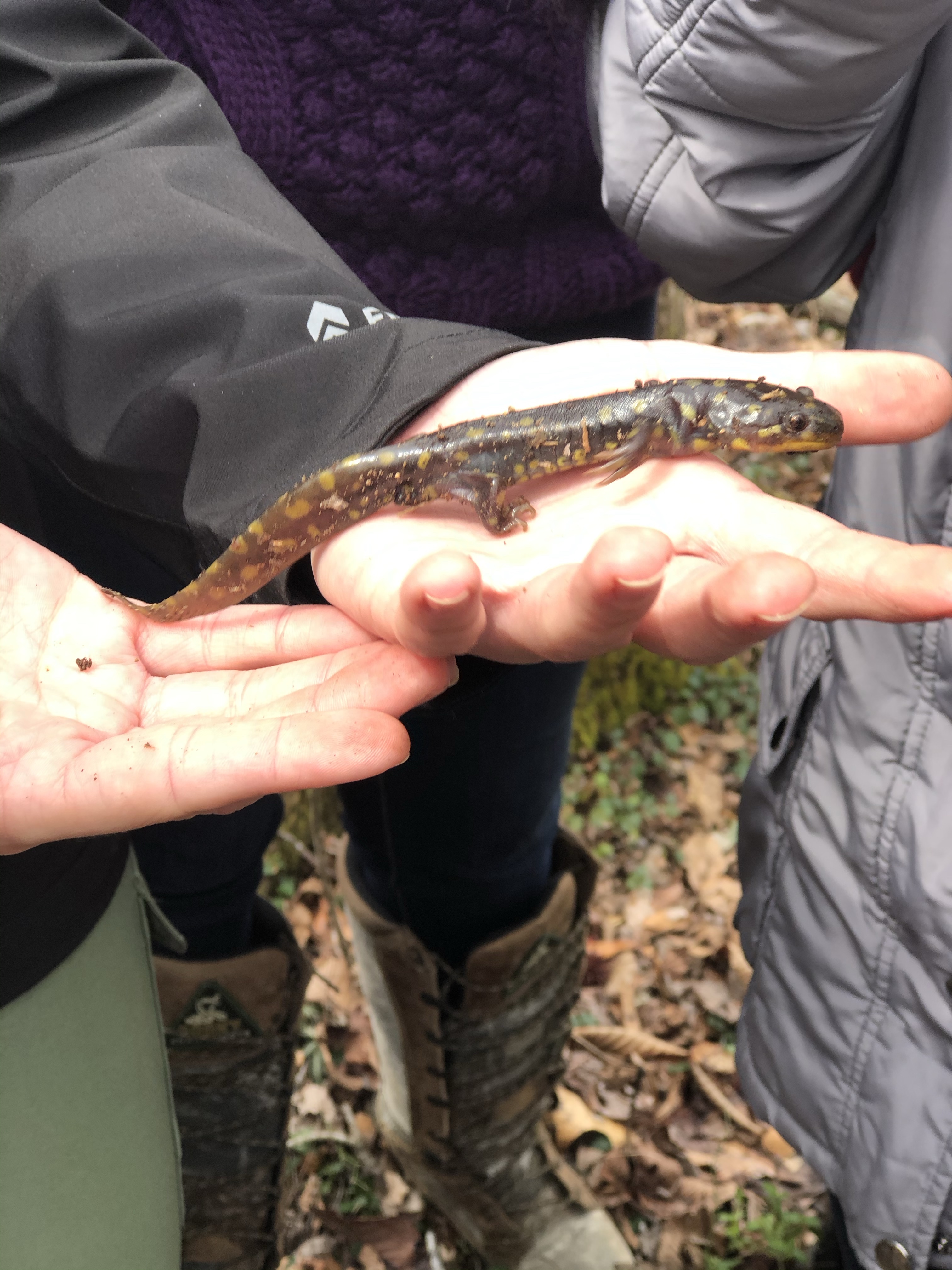
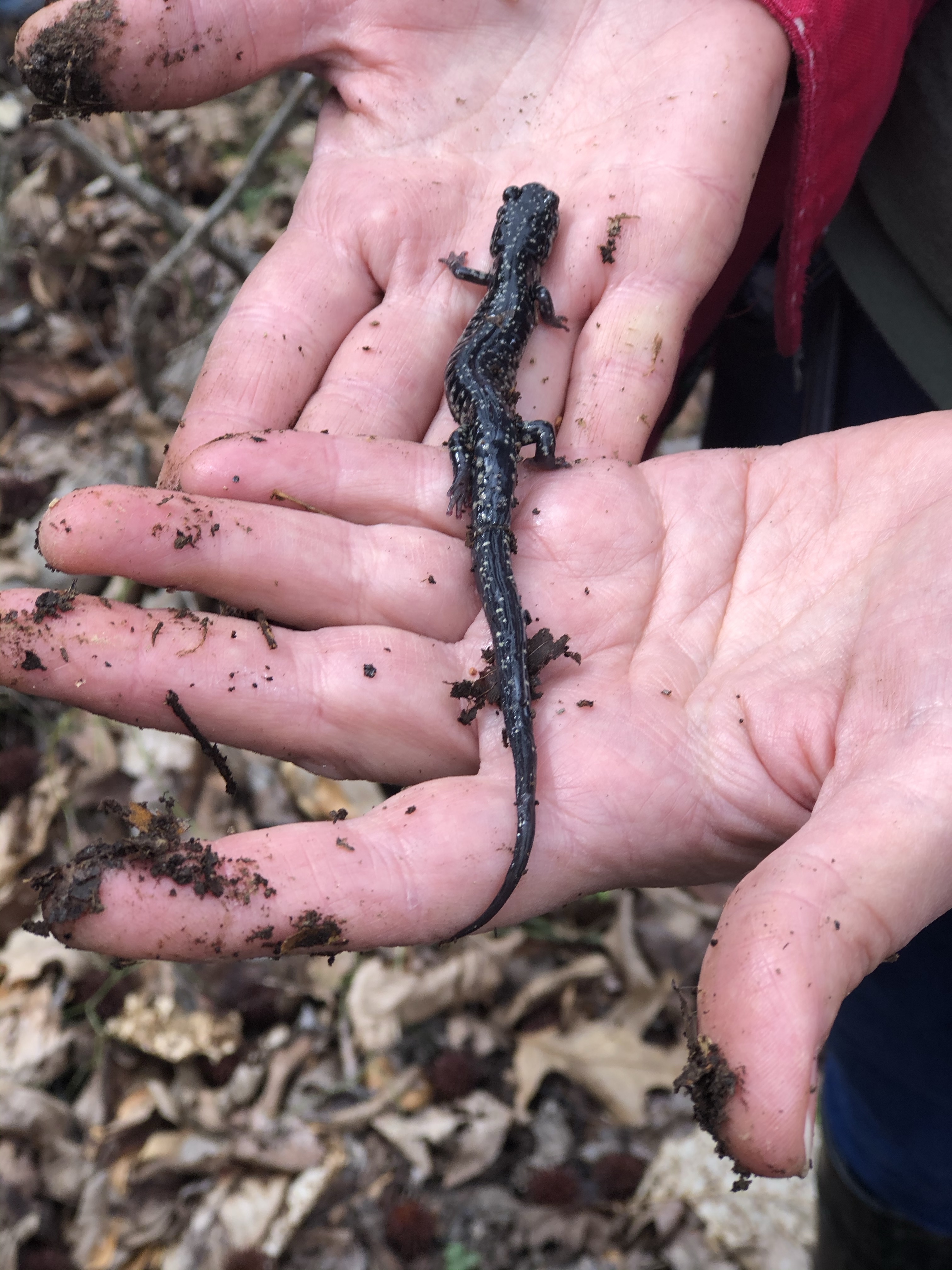
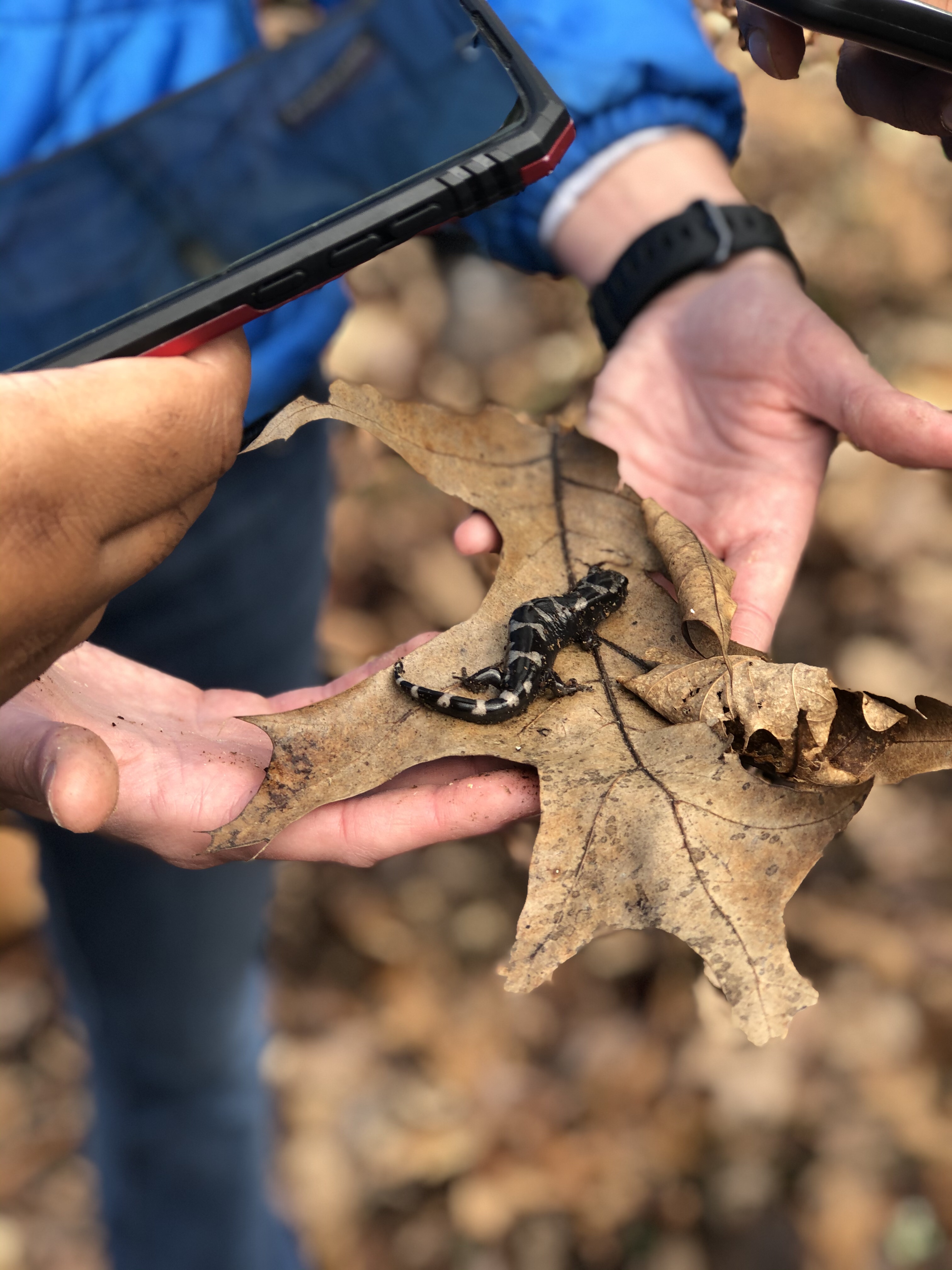
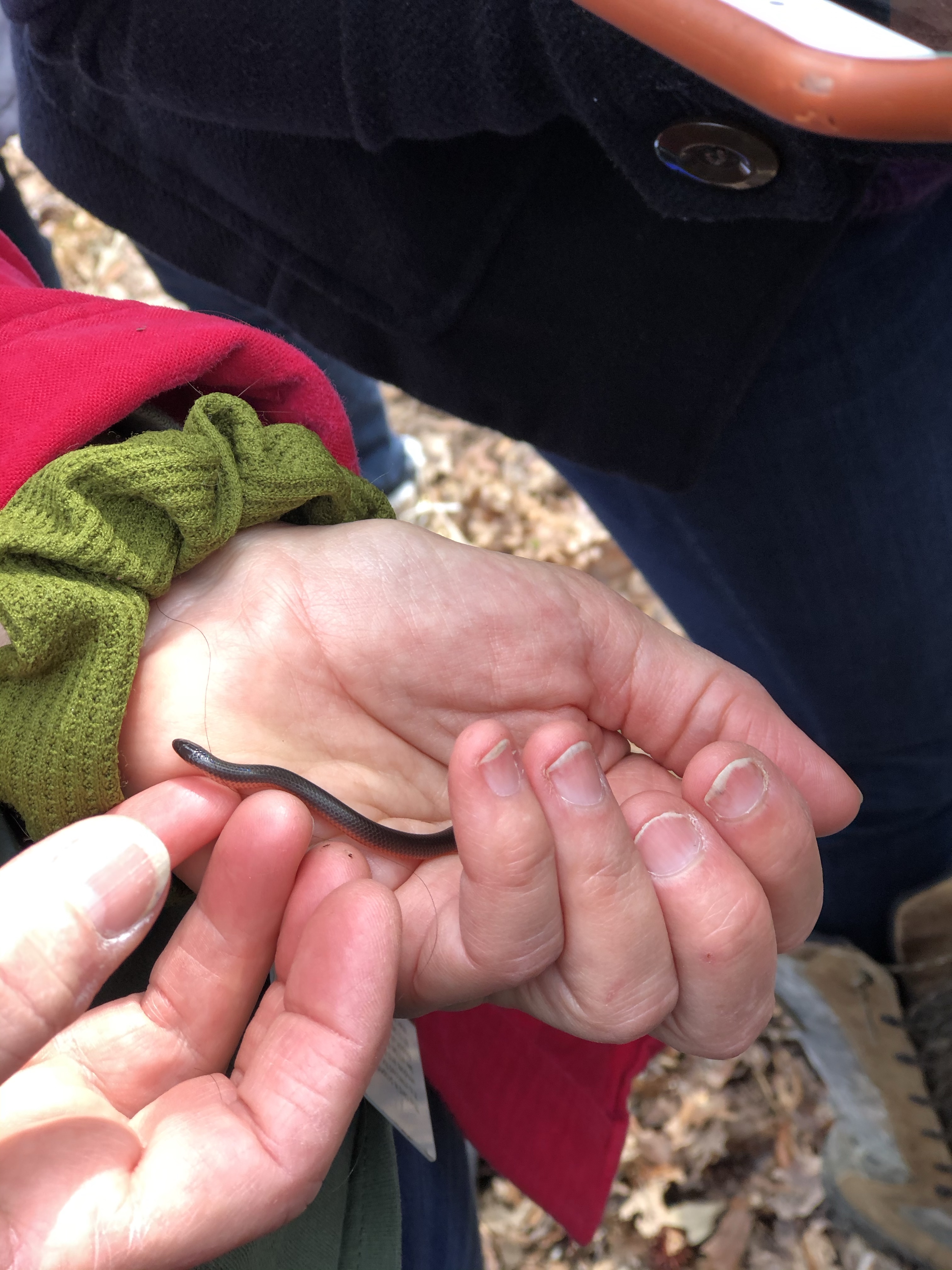 EXTRA POINTS if you can name them all! 😁







 AGSC 5110 Research Methods