National Center for Health statistics sates that nearly 9 percent, of Nashville residents are homeless. Also nearly 30.5 percent, of the Nashville residents are in poverty, now you ask yourself how an individual can eat healthy on a low income. How can a person eat healthy when they are homeless? Or how can a parent provide nutritional foods that are healthy to their children. It is very hard to fathom a lifestyle that is not comfortable, safe, and most importantly healthy. Imagine being homeless and nowhere to lay your head at night. In-spite of seeing many people who are unfortunate to life circumstances, I believe there are many ways to attain a healthy eating habit, even for the lower classes or unfortunate people. There are many people in the world who are willing and able to do good in the world. There are many origination’s that offer food services such as Under the Bridge Ministry, Second Food Harvest Banks, and collaborates in the big market industries that have dedicated there time and resources to feeding as many people as possible in Nashville. It takes a detected individual in taking care of themselves to be in optimal shape. Needless to say that based on the amount of availability there is on getting people feed healthy; most people just don’t partake in going to these events and getting free food.
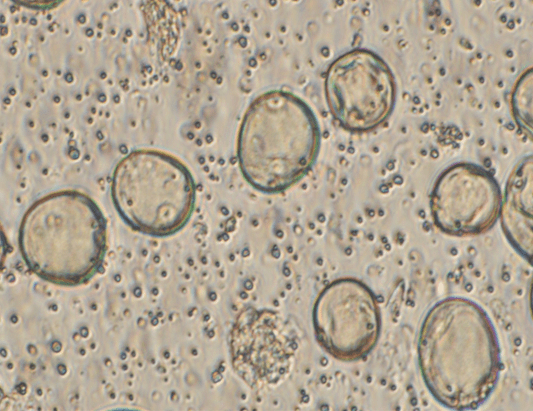
Mature male gametes (pollen) have sporophyte-derived exine layer that prevent any cellular DNA extractions for genetic analyses. Pollen are dispersed and spread by many different environmental factors, such as wind, water or animals. If the conditions are suitable the sporopollenin-impregnated walls of pollen grains and spores can persist in the fossil record for hundreds of millions of years, since sporopollenin is resistant to chemical degradation by organic and inorganic chemicals. Its inert composition allows for the maximum protection available for the pollen to survive in harsh conditions. A key step is to target correct micro-spore developmental stage in order access gametic DNA in plants, it is crucial to identify their cell wall development stages for circumventing hindrances rendered. For microspores’ isolation, sessile spikelets measuring approximately 3.3 – 3.7mm in length were dissected from panicles under a microscope to retrieve and macerate anthers Therefore, during microsporogenesis, it is best to isolate single cells immediately after the tetrad stage when the outer sporopollenin wall is not completely developed. Individual cell isolation can be achieved by using CellTram micro-injector mounted on an ultra fine move Marzhauser (HS6) micro-manipulator (ALA Scientific Instrument, Westbury, NY).
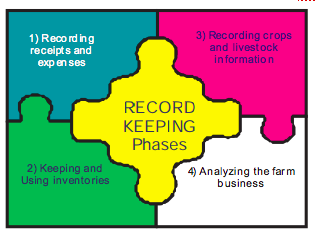
Record keeping is a topic few producers care to discuss or do. However, it is becoming a critical task in production agriculture.
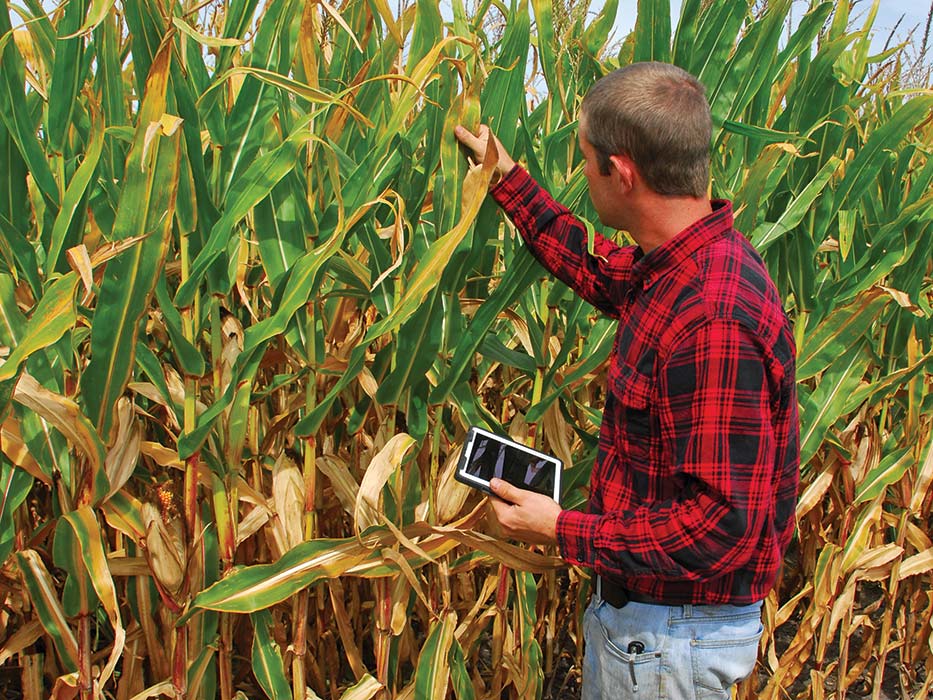
Currently, government agencies, lenders, and insurance companies are requiring better and more accurate records. Not only farm stock, acreage, income and expenses, but also weather records are becoming increasingly necessary because they pay a major part of certain farm operations. I always tried my best to record my layer production so i can know when production has peaked and when its decreasing. Lets be honest natural disasters do happen from time to time and say cause disruptions.
From the business aspect of the operation, record keeping is needed for future analysis of production methods, cropping history, and decision making. Record keeping provides valuable information concerning what worked and what did not and possibly, the reasons why something did not turn out as planned. As we all know, the best production methods and hybrids can fail due to weather conditions. Keeping daily records of precipitation and high and low temperatures is easy to accomplish and you can have a fairly accurate weather station at a cheap cost. A high/low thermometer, rain gauge, something to record them on, and about ten minutes a day is all that is needed.
One set of accurate records should be enough to satisfy all of your needs. If you keep good records of production, expenses, income, and weather, you should have all of the required information for any purpose, from crop insurance to lenders to your own needs. You should be able to make informed conclusions regarding the past and to plan for the future.
Good records lead to better decisions and hopefully higher returns.
Hello everyone. My name is Pranav Vashisht and I’m a graduate student of Food Science and today I’m going to tell you about the Yuvraj and Sultan who are known as the superbulls of the India.
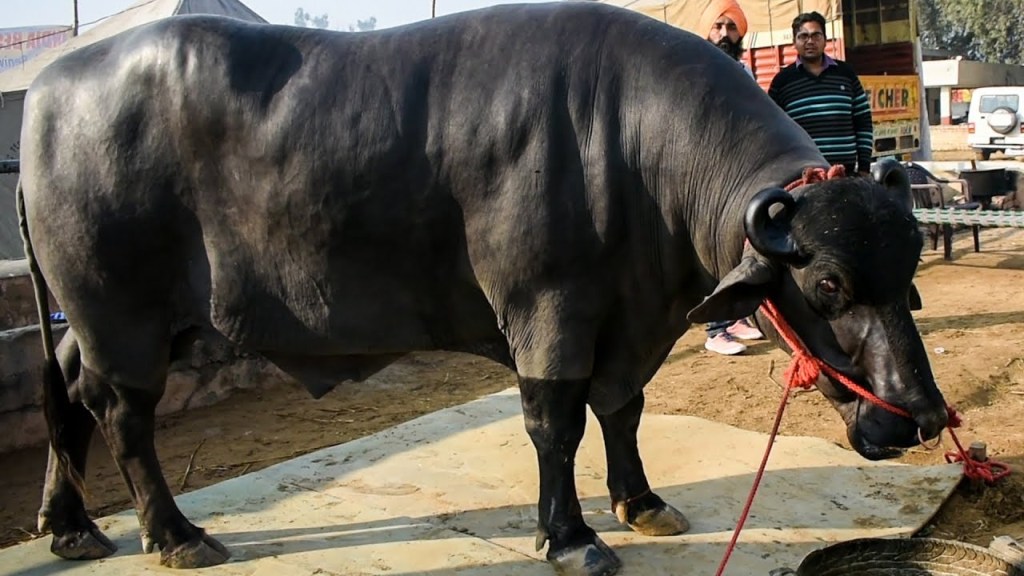
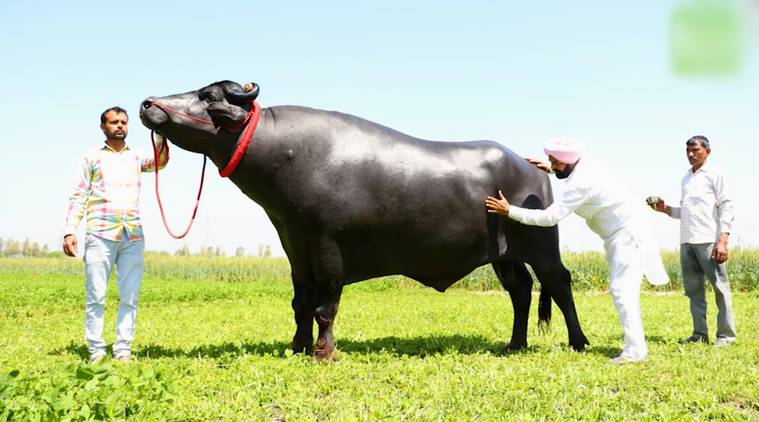
Yuvraj is a 9 years old bull who belongs to Murrah breed and his semen costs around 150,000 INR (2100 USD) for one ejaculation. He drinks 20 kg of milk every day to stay fit and healthy. So far he has more than 200,000 calves all over the country. He is 5 feet and 7 inches tall with 1500 kg (3307 lbs) of weight and has been the National Livestock Champion 24 times for his vital statistics. This bull produces around 45000 doses annually and each dose consists of around 6 milliliter of semen from which 600 diluted doses are prepared through scientific dilutions and given to the different buffaloes.
Yuvraj
Another superbull is Sultan who is also famous as the “Whiskey drinking bull” because of his drinking habit. His caretakers say that he loves to drink whiskey and he drinks it every night. He is 5 feet and 11 inches tall with a weight of around 1500 kg (3307 lbs) and has been the National Livestock Champion for 6 times. He is the tallest Murrah bull of the world. This bull produces around 54000 semen doses annually. His semen cost is around 10 million INR (1.43 lakhs USD) and his daily diet includes 10 kg of milk, 15 kg of apples, 20 kg of carrots, 10 kg of grains and 10-12 kg of green leaves. Once an South African farmer offered 21 crore INR (3 million USD) to buy this bull but his owner refused to sell because of his emotional attachment with him.
Sultan
Farmers who want a good breed of buffalo for dairy farming buys semen of Yuvraj and Sultan and this breed of buffaloes is known to produce more than 20 liters of milk every day.
Hello everyone. My name is Pranav Vashisht and I’m a graduate student of Food Science and today I’m going to tell you about the unique culture of brewing the rice beer in the households of the North East India.
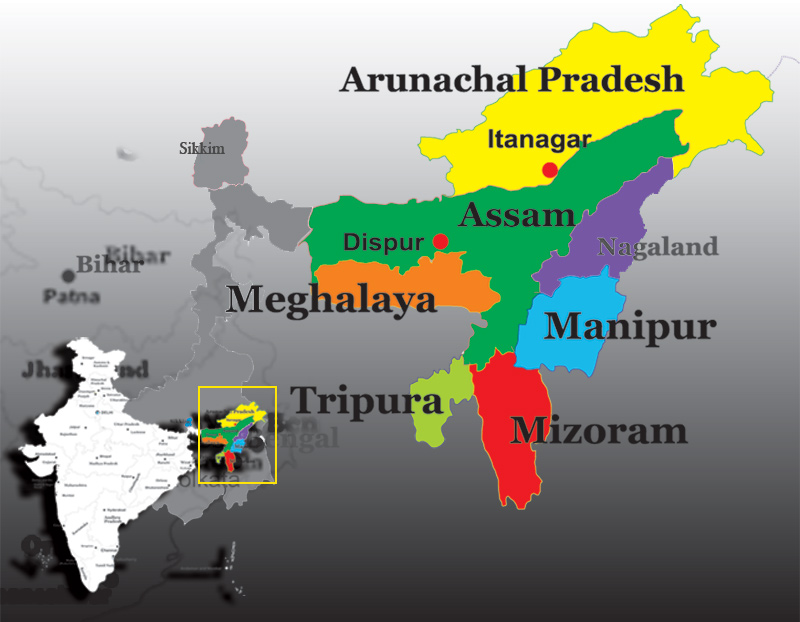
Rice beer is one the famous drinks among the alcohol consumers worldwide. In the whole world the culture of microbrewery is increasing day by day, but if you ever get a chance to visit North East India which has seven states and they are famously known as seven sisters you’ll find that every house is a microbrewery. People brew their own beer at home. You’ll be surprise to know that here the household ladies have in-depth knowledge of brewing rice beer which is a tradition passed down for generations. Further, every state makes its own version of rice beer and each beer is famous for its own sensorial properties.
Seven States of North East India on Map
Here is the famous beer of each state:
Chuwak from Tripura
Chuwak is like a whiskey which is made from a variety of local ingredients like rice, pineapple, jackfruits etc. This drink has a soothing taste with unique attractive aroma which will definitely make you want to have more if you’re a beer lover. They prepare and serve this beer on special occasions.
Microbrewery in Tripura household preparing Chuwak
Bitchi from Meghalaya
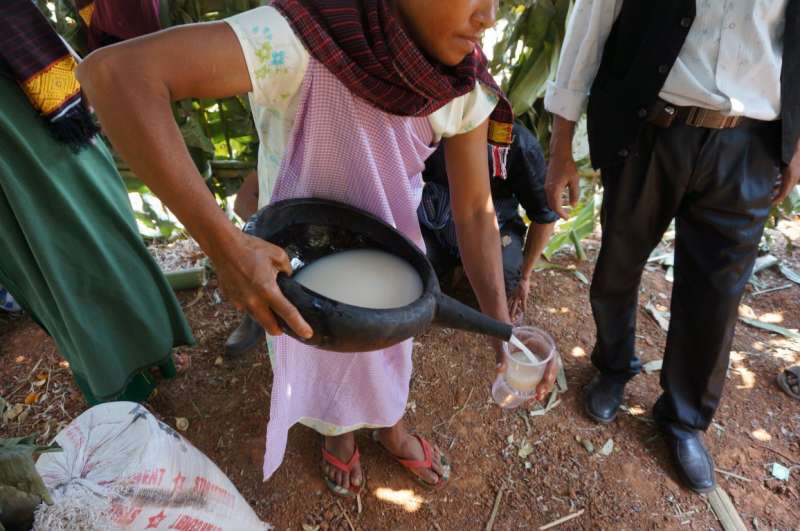
This famous rice fermented beer is brewed only in the Garo hills of Meghalaya. This drink looks like a honey mixed with water and famous for its smoky and sweet flavor.
Local tribal lady serving Bitchi to tourists
Zu from Mizoram
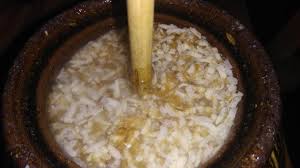
Zu is a famous beer which is made from a fermented rice, millet or maize and it has three different grades based on the difference in the brewery process followed. Further, in addition to this there is a village in Mizoram named as Hnahlan village, the people of this village grow their own grapes and make wine from them. They call it as Zawlaidi which means a “Love Potion”.
Zu Beer served in a mud pot with wooden straw
Lao Pani from Assam
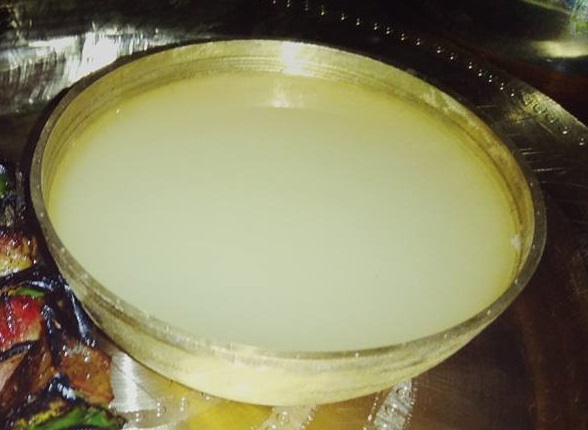
Lao Pani is a famous local rice beer of Assam. This beer is famous because when you consume it and spread it all around your tongue then each part of your tongue will experience different nuances of taste from pepper and various kinds of herbs.
Lao Pani served in a bowl
Yu from Manipur
Yu is a local beer of Manipur which is made from the fermentation of cereal grains and available fruit. This beer is famous because its taste resembles Vodka. The local tribes of Manipur use this drink as medicine, relaxant and offering to their Gods.
A local tribal girl preparing Yu
Zutho from Nagaland
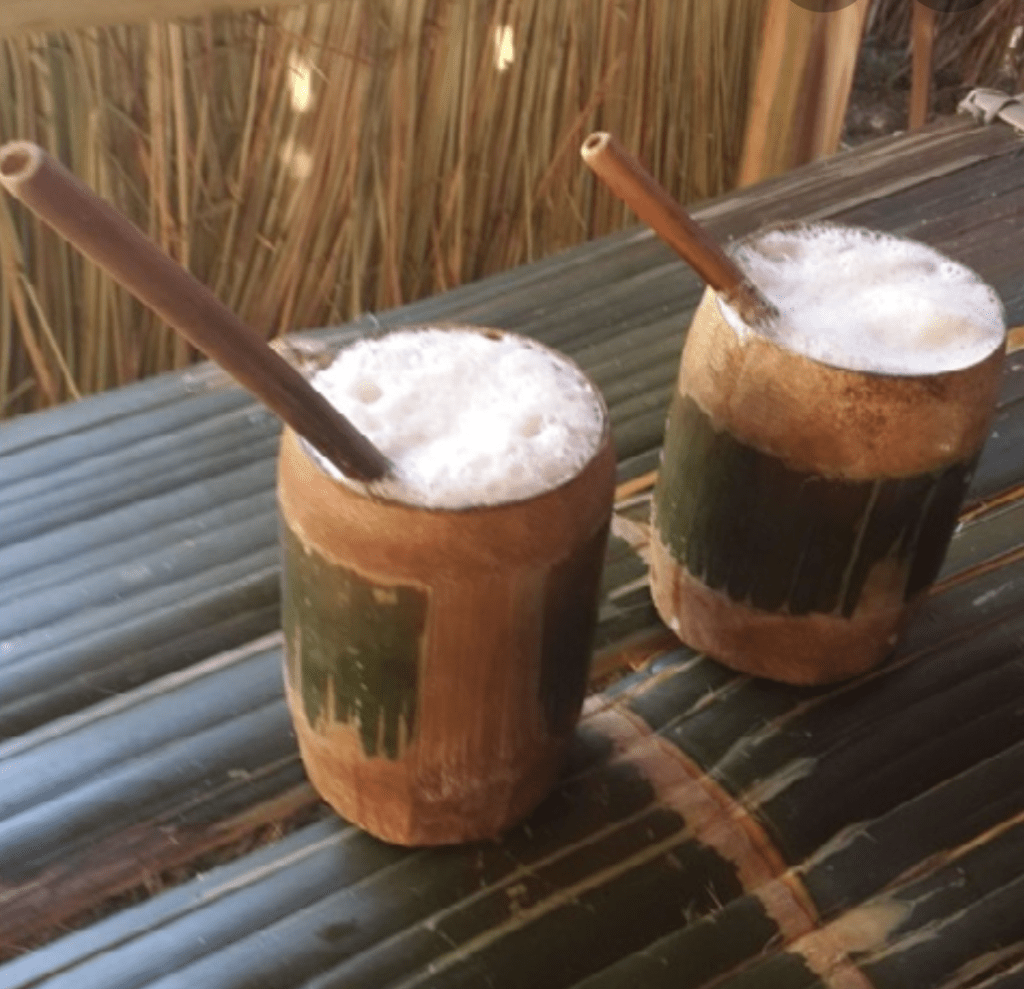
Zutho is a famous rice beer from Nagaland. This beer is famous for its fruity flavor. Naga people make this beer from starch present in rice which is broken by enzymes into sugar and fermented by yeast.
Zutho served in wooden glasses with wooden straws
Apong from Arunachal Pradesh
Apong is a local rice beer of Arunachal Pradesh which is made from fermented rice. The local people claims that this beer varies from season to season and the best one they make is from the first harvest of the rice crop. So, if you’re lucky to visit Arunachal in this time you’ll be able to taste the best Apong.
Apong served in mud pot
So, if you’re a beer lover you should visit the North East India to have an incredible experience of all these unique drinks which you’ll not be able to find anywhere else in the world.
Composting is very important part of zero chemical organic farming. Of late other individuals who do use chemicals practice the measure of adding organic matter back into the soil as decomposed, nutrient rejuvenated new soil has undeniable benefits which you just cant argue with!
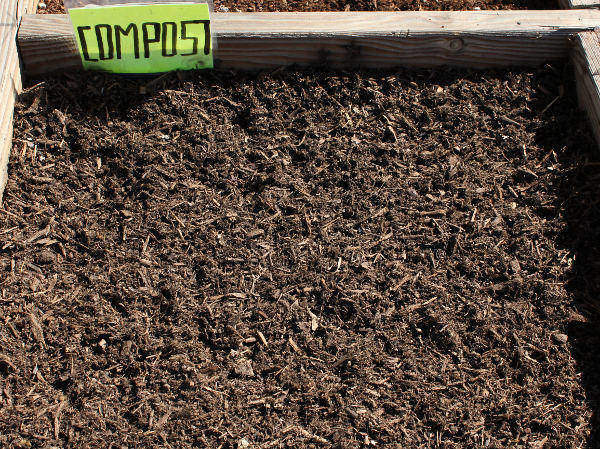
Compost is simply decayed organic matter — and “organic matter” is a pretty wide-ranging label. A twig can be organic matter, but so can a banana peel. When you mix a bunch of these items together in a compost pile, they break down naturally into a nutrient-rich fertilizer that helps gardens grow.
Creating this natural fertilizer using aeration, microbes, turning, and other techniques is one thing. Yet there is another dynamic aspect you can add to the process, and one which is so worth it: the mighty earthworm!
The earthworms boost the nutrient content by eat up the organic matter. It passes through their intestinal tract and the result is fine-textured, nutrient-packed, soil-like castings .
Rather than letting it slowly decompose with just the help of oxygen, microbes, and certain techniques, earthworms mobilize the process of decay through consuming and tunneling.
With tunneling the matter is aerated and break larger chunks of matter down quicker. This also brings airflow into deeper layers to speed things up, while letting healthier, more beneficial bacteria (aerobic strains) to colonize soil more successfully than unhealthy, anaerobic ones. Adding composting to your organic practices can help boost production while limit waste.
Let me very clear to this piece (actually ‘peace’ !) of information, I won’t write this article to create panic but it creates relief to hear from the official china reports of no new COVID-19 cases.The study also claims that death toll from COVID-19 is far lower than initially thought.
By the starting of March, the World Health Organization (WHO) put the mortality rate of the novel coronavirus at around 3.4 percent of confirmed cases. The number is also well below the death rate for Wuhan based on simply dividing the number of deaths by cases.
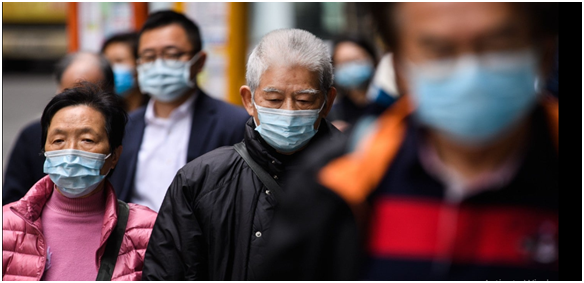
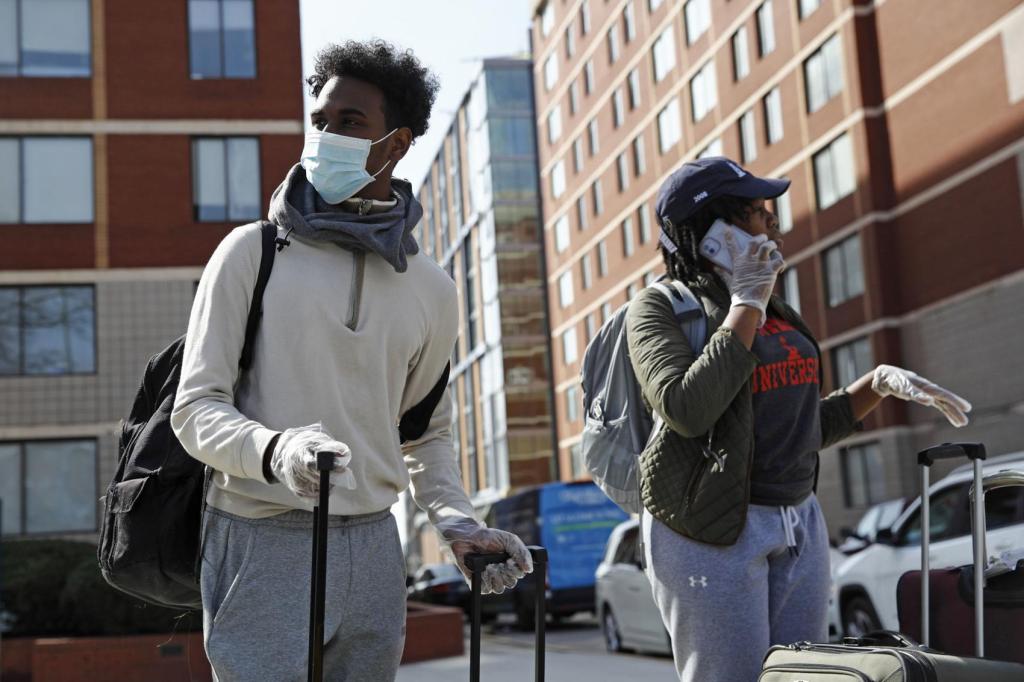
People wearing mask to prevent spreading of corona
In the China CDC publication weekly, researchers reported around 2.3% of death rate from COVID-19 to be in mainland China whereas New England Journal of Medicine published around 1.4%.of the overall death rate to study about 1,100 hospitalized patients in China. Nature Medicine published that a 1.4 percent likelihood of dying among corona virus infected people with the in Wuhan, far lower than some of the previous estimates.
The New York Times reported that the typically around 0.1% death rate is in the U.S. occured from seasonal flu. For many the death rate for COVID-19 is vague, but many researcher agrees it will be higher that of the seasonal flu.
At our end, it’s always good to take protection, cause, statistics won’t help you at all!
A few weeks ago, many college students had to physically leave their institution because of the coronavirus pandemic. Universities have remained in operation but have transitioned to online instruction for the remainder of the school year. As a current graduate student, I can say it was a transition that could take some getting used to. It may be or have been easier or harder for others. Some students are used to being taught with face to face, in person, interactions. However, there are students who have more experience than others with the operation of online courses. Some say they enjoy online courses but do not like being forced to take them this way due to the current circumstances in the world. At this time, students will need to adjust accordingly and remain focused on their studies to finish the semester just as strong or even stronger than the way they started. The pandemic in the world has changed the daily life of many populations. Hopefully this situation across the globe can get better, and people can have an opportunity to live life without the certain restrictions that have been put in place.
The coronavirus, also known as Covid-19, has affected people across the globe. Research says it originated in China, and it is currently in the United States of America. Many leaders have been thinking of ways to protect people as much as possible. There have been rules made for certain populations to stay at home unless they are doing any activities that are considered essential. This pandemic has many people worried about their health and safety. However, people still need nutrition to survive. Some people are skeptical and wonder if it is safe ordering take-out at restaurants or even using delivery services, like Uber Eats and DoorDash, for their food. There has not been any proved research that people may be susceptible to the Covid-19 by eating food that could have had chances of being prepared by someone who may a carrier of the virus. Hopefully, that is not a way of contracting or transmitting the virus. Everyone needs to be very cautious during this time to help protect the health and safety of themselves and counterparts as much as possible.
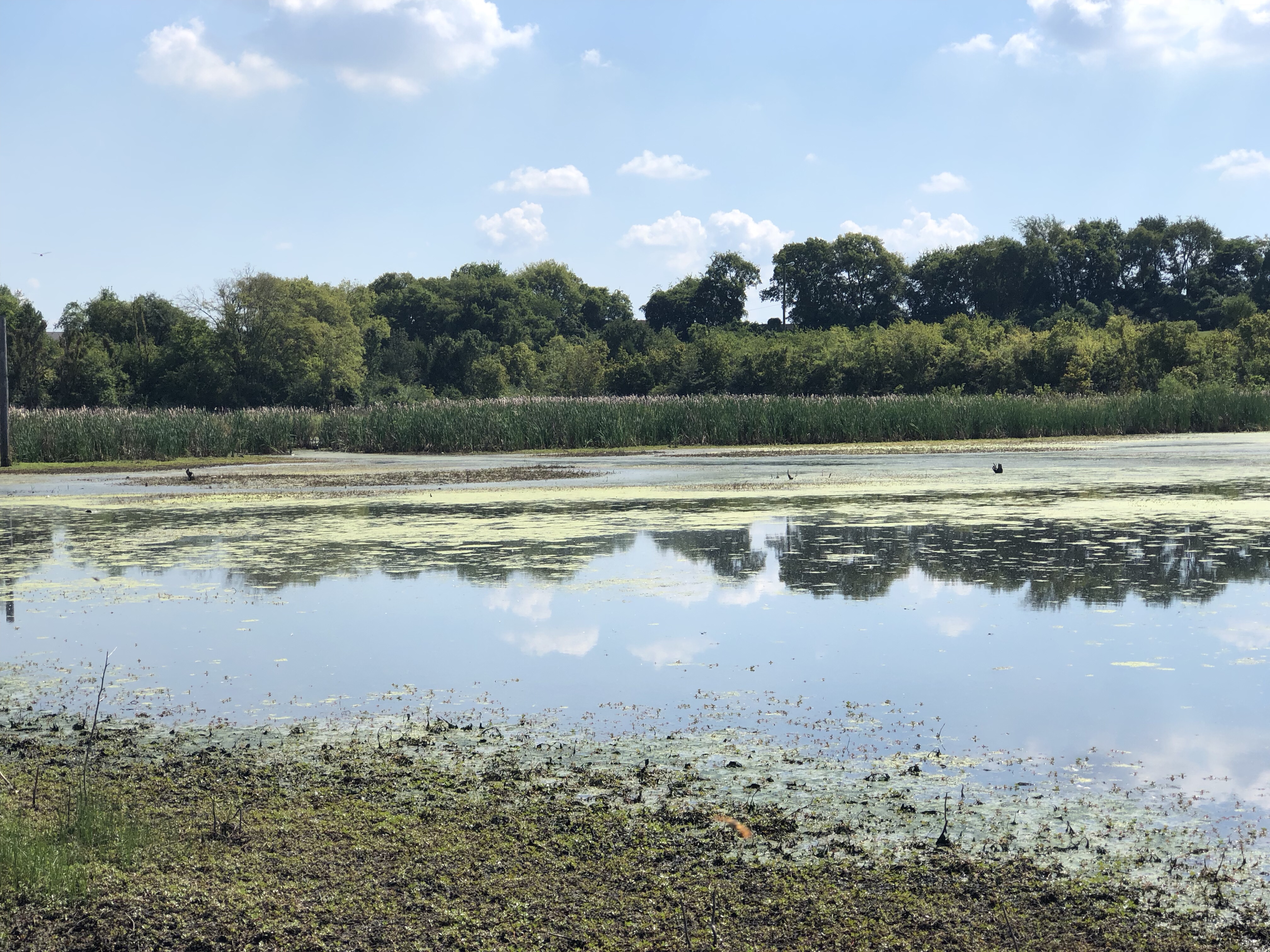
If you have been to the TSU research farm or even taken the back road from the Barn, then you have more than likely seen the wetland that our campus was blessed to have free access to. Sometime it’ll be dry, other times it’ll look like a little pond. When there is water present you more than likely will see greenish material floating in the surface. It can be duckweed or other green algae. However there has been test to see if our wetland contains Harmful Algae Blooms (HABs).
Guess what? We got ‘em.
Harmful Algae Blooms occur when algae — simple photosynthetic organisms that live in the sea and freshwater — grow out of control while producing toxic or harmful effects on people, fish, shellfish, marine mammals, and birds (NOAA). What causes these conditions are various and can depend on the area the body of water is located.
Harmful algal blooms need; sunlight, slow moving water, and nutrients (nitrogen and phosphorus).
HABs can; produce toxins that can be fatal to people and animals, make dead zones, create water quality issues, increase water cost, and can harm businesses that depend on tourism or other water resources and more.
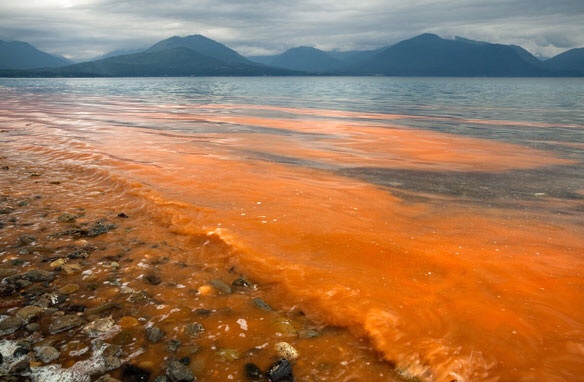
There are many cases were beaches had to shut down due to HABs. If you have heard of Red Tide that is an example of how HABs can look.
Red Tide in New York Harbor
In our wetland’s case, why do you think we have HABs present?







 AGSC 5110 Research Methods