Food Shortage Concerns

As you’ve most likely already noticed, panic buying by shoppers cleared supermarket shelves of staples such as pasta and flour as populations worldwide prepared for lockdowns. I myself made sure that I stocked up on all the necessary items that I needed in my home. With this surplus of panic buying, meat and dairy producers as well as fruit and vegetable farmers struggled to shift supplies from restaurants to grocery stores, creating the perception of shortages for consumers.
I’ve read though that retailers and authorities say there are no underlying shortages and supplies of most products have been or will be replenished. Bakery and pasta firms in Europe and North America have also increased production.The food firms say panic purchasing is subsiding as households have stocked up and are adjusting to lockdown routines, which I find to be true from the item availability increase more recently.

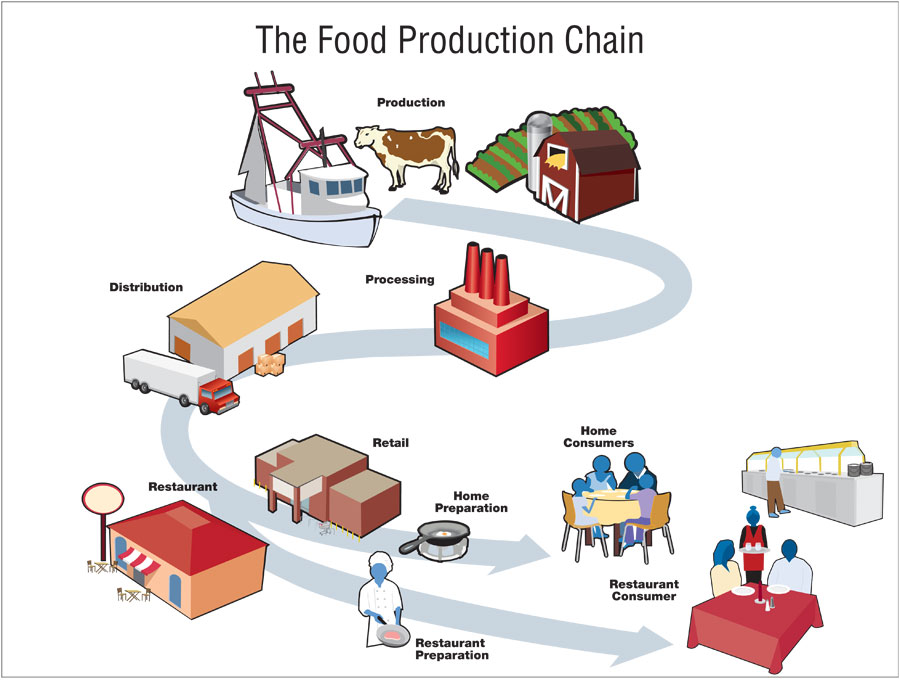
I’ve read the logistics to get food from the field to the plate, however, are being increasingly affected and point to longer-term problems. In the short-term, lack of air freight and trucker shortages are disrupting deliveries of fresh food. Longer-term, lack of labor is affecting planting and harvesting and could cause shortages and rising prices for staple crops in a throwback to the food crises that shook developing nations a decade ago. I can only hope that this will not cause a spike in food cost, but it seems to be inevitable at some point.

Travels Impact on The Environment

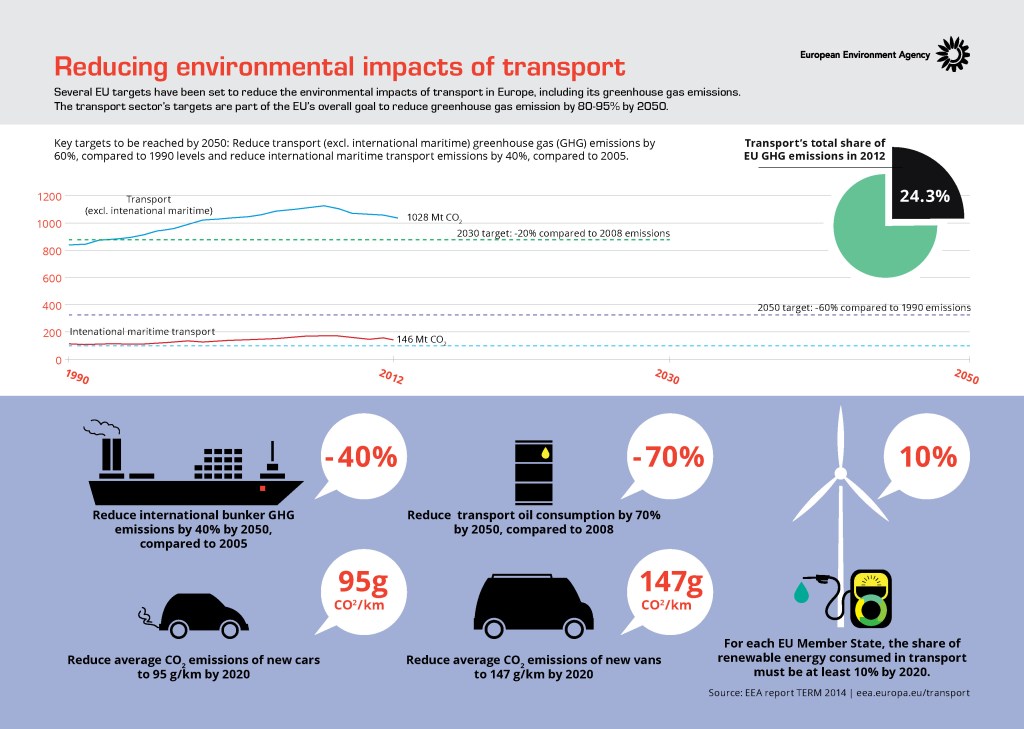
I love to travel, plan trips to tropical destinations and see the world as much I’m sure you do. Now with the ongoing pandemic we will be seeing big changes on the way that we travel. Going someplace far away, we now know, is the biggest single action a private citizen can take to worsen climate change. I read a report that said one seat on a flight from New York to Los Angeles effectively adds months worth of human-generated carbon emissions to the atmosphere. And even knowing this we continue to plan and take trips more and more.

I know lots of people who travel on cruise ships when going on vacation. I always thought of this being a more environmentally friendly alternative to driving or flying, but perhaps not. While I read about Bryan Comer, a researcher at the International Council on Clean Transportation, a nonprofit research group, said that even the most efficient cruise ships emit 3 to 4 times more carbon dioxide per passenger-mile than a jet. Wow! I was shocked to hear that. Every time I think about taking a trip I keep in mind the effect that it will have on the planet. Maybe after reading this you will now to.

Protein Consumption

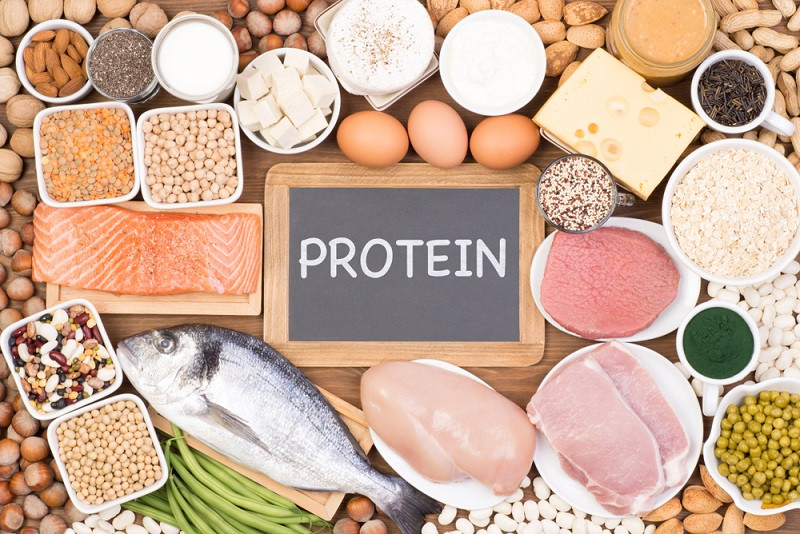
Proteins are macronutrients that can befit the human body by building muscle mass. An individual should consume approximately 10 – 35 percent of their calories form protein on the daily basis. However, the amount of protein one should consume can vary depending on one’s gender, age, and amount of physical activity. Many individuals are not intaking the proper amount of protein, which can potentially hinder their muscle mass and metabolism. A high source of this nutrient is found in meats and dairy. Examples include steak, chicken, ground beef, Greek yogurt cottage cheese, and eggs. There high sources of protein in several other products as well. A few examples are peanut butter, mixed nuts and navy beans. It is important to monitor how you consume this essential nutrient. Even though red mean is a great source of protein, too much of it can cause health problem like diabetes and heart disease. To avoid these health issues, one should substitute those products for healthier foods like poultry, eggs, nuts. Therefore, be sure to remain healthy while getting a good intake of your proteins! It will be a great benefit to your life! Seven high-protein foods to include in your meals

What to Learn from COVID-19

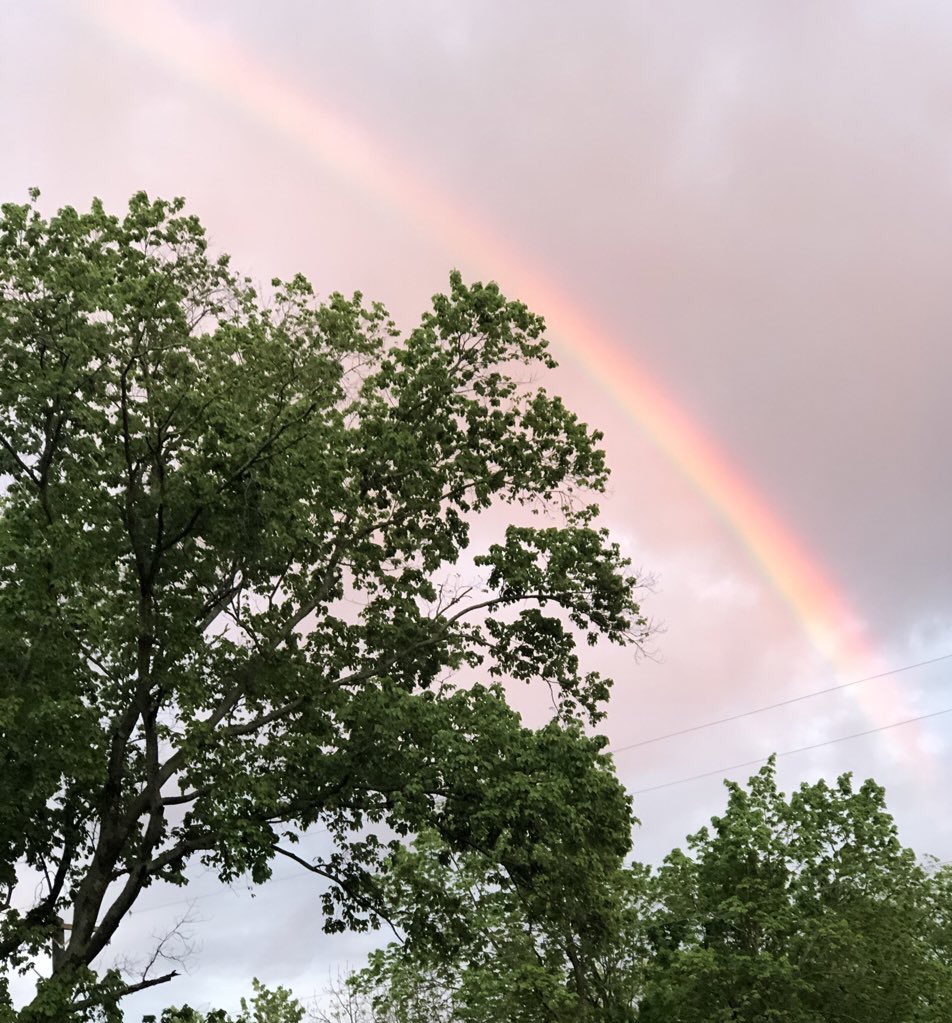
Went out one day when I walked my dog and the sky was so pretty I had to take a picture! This really made me miss being out and about. 😔

2020 has so far been a year of adjustments for everyone. Being able to adapt to new conditions is essential to being functional in our current society.

Personally, I am still adjusting to these conditions, trying to maintain my mental and physical health in a state of self quarantine. It can be hard to focus or just to have motivation some days. I think being in quarantine helped me understand how important it is to be around people and just outside in a new environment. This also helped me understand how much I dislike online courses and much prefer in person classes.

I believe that in future debates for political leaders, questions will be asked on what they would do in a crisis like this. Also that warnings about disease and other potentially harms should be recognized and prevention processes should be conducted.

Public education is really going to have to improve in order for all children have the education that they need. There are families with limited or no internet access and if there is going to be an online system of learning, then children in those disadvantaged house holds need access to internet resources.

There has been multiple issues in the United States system and other country systems that has been laid out for the world to see during this pandemic and those flaws need to be fixed.

What was also learned was how much the Earth’s natural systems can thrive without anthropomorphic input. Being in the sciences we can concur animals or natural ecosystems don’t need us to survive, where as we need them.

Here are some videos and pictures of animals doing what they want during the pandemic: Coyote in San Francisco Goats in Llandudno Dolphins near shore

What are some more we can learn from during this pandemic? What would you improve or change?

Pandemic and Environment

When this new decade started, we were looking forward to a new and exciting time in our lives and to see what this up coming decade had in store for us. This new decade smacked humanity in the face with COVID-19, something no one can say they haven’t heard of, unless you literally live under a rock.

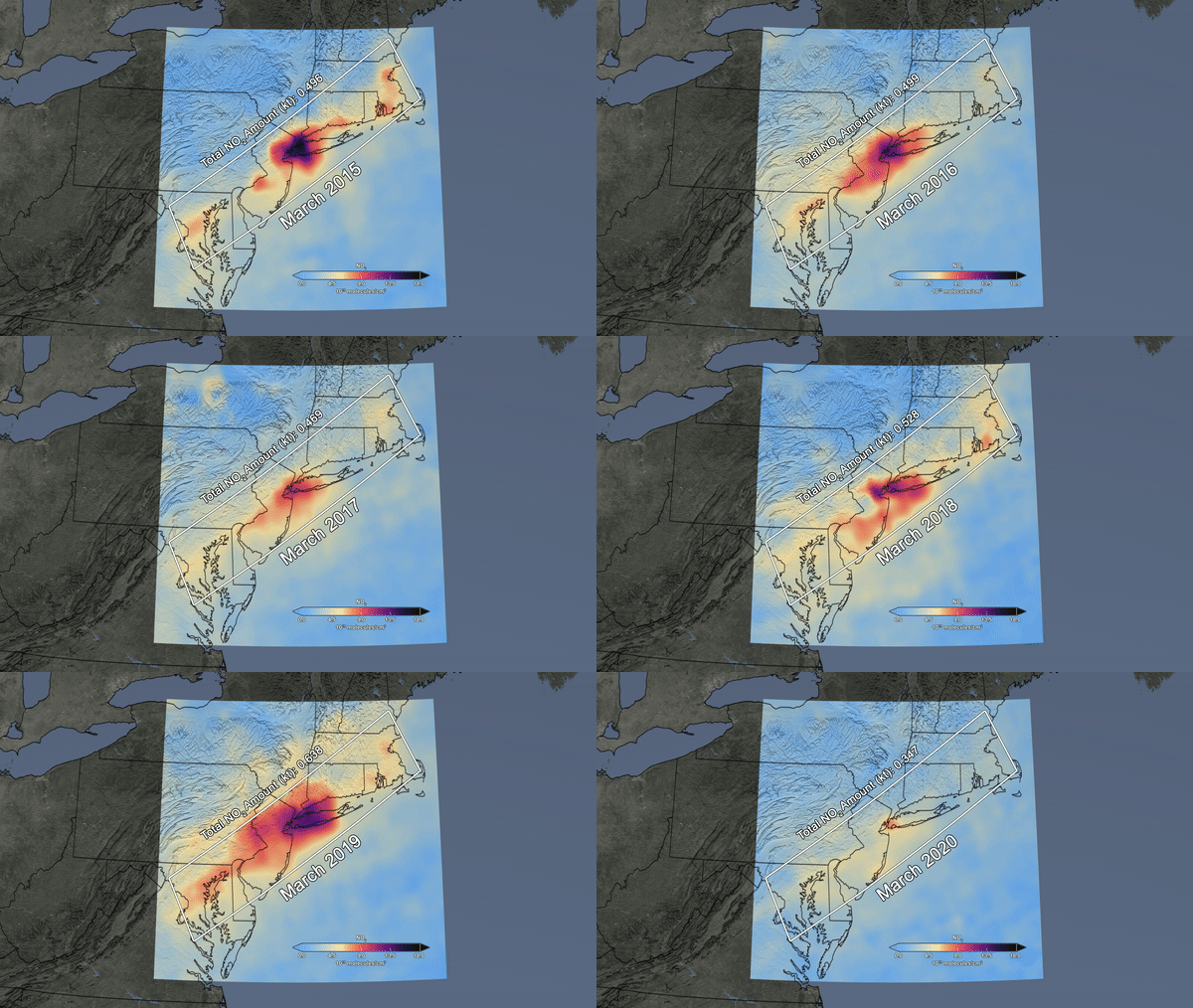
While it seems current civilization is in a frenzy of concern for their own well being, the Earth seems to be having a breather without humanity polluting it’s atmosphere with cars or industrial factories. The image above shows nitrogen dioxide, a common air pollutant that’s associated with the burning of fossil fuel in power plant and motor vehicles since 2004, over the pass 5 years.
Looking at the gif above one can see that NASA’s Ozone Monitoring Instrument (OMI) has detected the least amount of air pollution in 2020. This can be correlated to the actions the pandemic has most cities undergoing, self quarantine. Strongly advising against large groups or people gathering and traveling together, there has been a decrease in more red zone states.

NASA states that they will be funding more test to see how other Environmental Signals are fluctuating during this pandemic. I will be looking forward to these finding as well.

One of my questions will be how HAB will be in this current pandemic, if there will be a decrease or not.

What do you all think?

Do you think climate change nay sayers will be persuaded into believing that climate change is real after this pandemic? Or will they still nay on?

Improved Food Quality with The Speed of Sound

Hi friends! Here we will discuss about the applications of sound waves in improving the quality and extending the shelf life of food products. The frequency of these sound wave is above than the audible limit of human hearing.
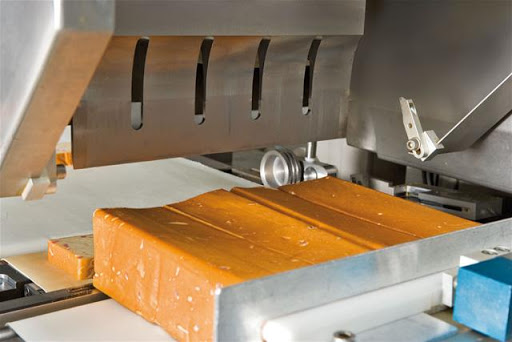
Ultrasound are sound waves with a frequency ranging from 20 Khz to several GHz. It was first used in 1956 by prof. Lan Donald in Obstetrics. Later on, by optimizing the amplitude, frequency, pulsation, probe diameter and power level, scientists have explored and proved its application in agriculture, automobile industry, food processing and even it is used as sonic cutter with a frequency fixed at 40Khz and pulsation of around 40000 times per second. In the ultrasonic cutter, the piezoelectric element generates a force that resonates the whole body, from the transducer to the blade tip, generating a large vibration at the tip which impacts in a quick and precise cutting.

China 20 Khz Ultrasonic Food Cutting Machine 800W , Professional Meat Slicer Machine supplier
20Khz Ultrasonic Food Cutting Machine

The basic principle behind this process is cavitation which is formed due to the successive compression and rarefaction cycle. When the sound wave propagates through a biological structure it induces compressions and depressions on the medium particles and a high amount of energy will be imparted. In dependence of this energy generated, frequency, the applied sound wave amplitude along with other process parameters, a number of physical, chemical and biochemical effects can be observed which opens door for a variety of applications in food industry, like pasteurization, homogenization, drying, crystallization, filtration, defoaming, meat tenderization and extraction of oil. Apart from the enzyme inactivation, this penetration property leads to rupturing of bacteria cell wall, proving its application as a preservation tool for microbial inactivation.

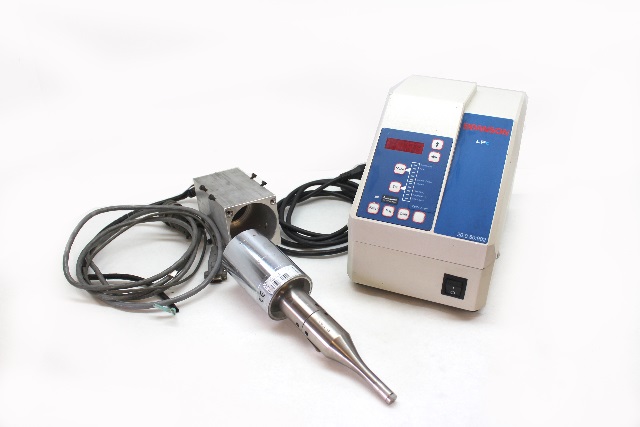
Bench-top Ultrasound System

The novel ultrasound processing under optimized conditions and controlled temperature could be better alternative for heat preservation technique which ensures food safety by complete destruction of yeast, mould and coliform bacteria without affecting the nutritional and sensory property of food.

Wasted Food: Dumped Milk, Rotting Vegetables Amid Pandemic

The COVID-19 pandemic has caused the world to pause. We are to stay at home, only get what we need from the stores (if it’s there), and work at home while we are also raising our children. Farmers, on the other hand, are hurting in more ways than one. In Wisconsin and Ohio, farmers are dumping gallons of fresh milk into lagoons, in Idaho farmers are digging ditches to bury onions. We hurried to the store to stock up on our pantry items, farmers are being forced to dump millions of pounds of fresh food that they could no longer sell.

I have a friend that is also a dairy farmer, who shared a picture of farmers in West Tennesse having to dump their milk tanks down the drain. Not for a bacteria or other factor, but simply because the market is at a standstill. With the closing of restaurants, many farmers were left high and dry with no buyers to get their products. And even with the increase of most Americans eating every meal at home, this is not enough to absorb all of the perishable food that had been planted weeks before the pandemic hit.

Mr. Myers said there were no good solutions to the fresh food glut. “There is no way to redistribute the quantities that we are talking about,” he said.

The nation’s largest dairy cooperative, Dairy Farmers of America, estimates that farmers are dumping as many as 3.7 million gallons of milk each day. A single chicken processor is smashing 750,000 unhatched eggs every week. Even with farmers donating what they can to their local food banks, which have seen some of their highest demands, this is still limited because of the amount of refrigerated space they have available.

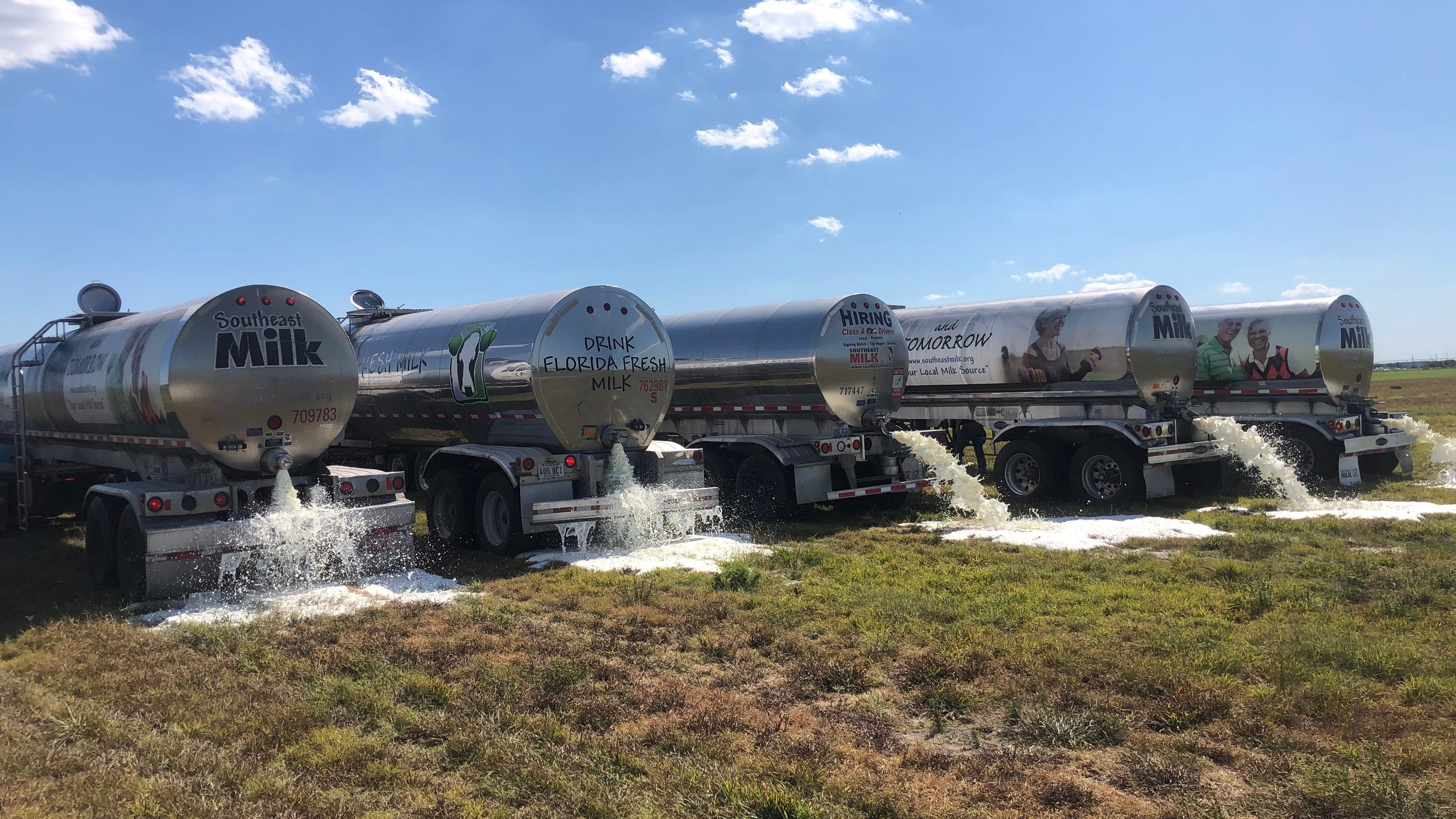
Florida dairy farmers dump excess milk amid coronavirus

Milk can’t be picked up for processing because they just don’t have the room to hold it. This is because what they do have isn’t leaving the plants fast enough.

In recent days, Sanderson Farms has donated some of its chicken to food banks and organizations that cook meals for emergency medical workers. But hatching hundreds of thousands of eggs for the purpose of charity is not a viable option, said Mike Cockrell, the company’s chief financial officer.
“We’re set up to sell that chicken,” Mr. Cockrell said. “That would be an expensive proposition.”

Source: https://www.nytimes.com/2020/04/11/business/coronavirus-destroying-food.html


Edible Water Bottles – Go green

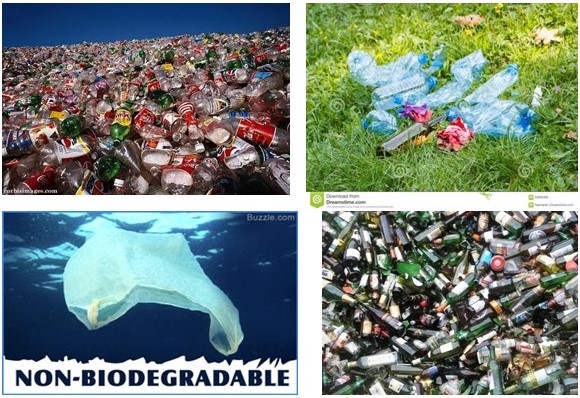
Hi friends! Today we will see about an alternative preventive measure to reduce the rate of plastic used in mineral water industries. Water is the most important need for life. People across the world suffer due to shortage of fresh and clean water as well as good ecosystem. Unplanned urbanization had contributed to generation of wastes in the environment. One such factor is the large accumulation of plastic wastes. This might be due to their easy availability. These are non-bio-degradable in nature and it takes millions of years to degrade. Plastic accumulation goes on increasing due to discarded water bottles after its use. As they are not disposed of in a right manner, they create pollution in the form of wastes that spread across the world and causes severe threats to this environment which indirectly affects the public health.

Plastic Waste

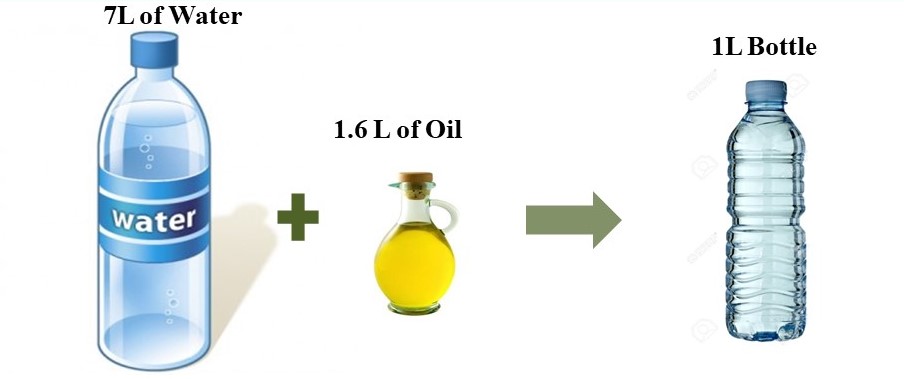
We are under a false assumption that water bottles are made of totally recyclable polyethylene terephthalate (PET) plastic. However, our recycling rate for PET is only 23%, which means we pitch into landfills 38 billion water bottles a year–more than $1 billion worth of plastic also. Moreover, it is estimated that in US alone every year, 17 million barrels of oil is used up to make 50 billion plastic cans per year.

Approximate quantity of water and oil required for producing one plastic bottle of 1 litre capacity

What is the Solution!

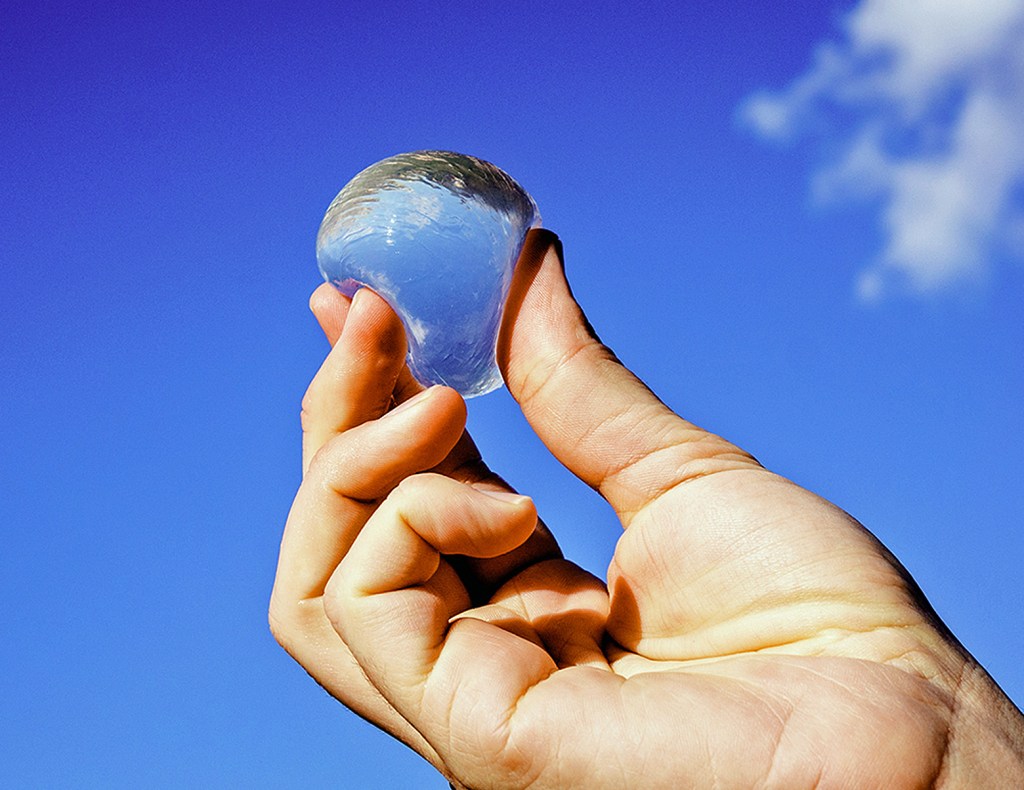
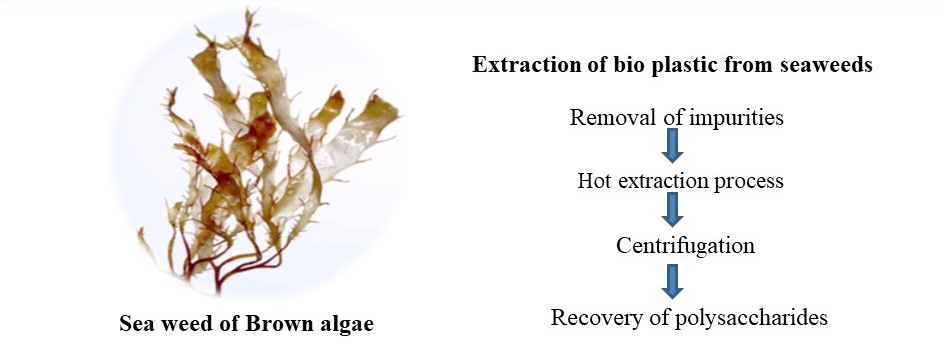
Edible water bottles which are completely edible, and biodegradable if discarded can solve the problem of plastic bottles. This also reduces the burden of recycling plastic and also helps in managing plastic waste to larger extent for a greener future and in turn a healthier society. Naturally available sea weeds have the capability of storing water or any edible liquids by forming a membrane when brought in contact with certain chemicals like calcium lactate which are edible and biologically degradable.

These tiny edible water bottles are almost completely pointless – BGR
Water packed in edible membrane made with seaweed

The Research and Development department of Pepsi Co is already into this challenging project to develop a marketing plan for edible water bottle keeping social innovation in mind also contribute to the environment and its green future.

LESSONS FROM THE RESEARCH METHODS CLASS (AGSC 5110)

Well, since this is the last blog for this semester I figured it will be good to say it out loud that I am glad I was a part of this class not just for the new things I learned academically but for the skills I developed.

I had heard a lot about this class even before the first lecture and I was not sure i would like it because of the various things I was told I would be asked to do: blogs, videos, presentation,  and the twitter participation.

During my undergraduate study, I yearned for practicality in everything, and I got served in this class. Strangely but interestingly my confidence was boosted by the twitter participation, I am glad I had the opportunity to voice my opinion about the discussed issues, I was also enlightened on agricultural issues and this came in handy because I do not have an agricultural background. I also was brought out of my shell by the video assignment and presentation. I learned that the media and everything available in the world  can be used as tools  to sell myself and lend a voice to the course I strongly hold dear to my heart.

It was also great reading everyone’s experiences and learning about other people’s concentrations on the blog, the presentation also made me appreciate every other person’s concentration even better. And to the professor in charge of the course, thank you for making it a good experience!

GIS IN 3D

GIS in 3D

My first semester in graduate school was worth it! All the years I spent dreaming of what graduate school would look like and the one million reasons I gave myself to go for it are gradually paying off. I have taken GIS courses but none thrills me like the opportunity I had to see GIS(Geographic Information System) in 3D (depth perception).

I took just one GIS course during my undergraduate study, but it was just theoretical. But after just one course in Graduate school I saw GIS in a more defined dimension. Guess what? I can now make a map! I can tell a story with a map; I made a story map that could someday help decision makers! I can use the latest GIS software like a pro. I have learnt how to use several geoprocessing tools and the most exciting thing is with these skills I have developed, I can intern at the almighty Environmental Systems Research Institute (ESRI). Where I was with GIS in January is not where I am in April and I am super thankful for growth!

I guess all I am saying is all my classes were worth all the tons of assignments! Let us connect if you want to learn anything about GIS!

Design a site like this with WordPress.com
Get started