Composting is very important part of zero chemical organic farming. Of late other individuals who do use chemicals practice the measure of adding organic matter back into the soil as decomposed, nutrient rejuvenated new soil has undeniable benefits which you just cant argue with!

Compost is simply decayed organic matter — and “organic matter” is a pretty wide-ranging label. A twig can be organic matter, but so can a banana peel. When you mix a bunch of these items together in a compost pile, they break down naturally into a nutrient-rich fertilizer that helps gardens grow.
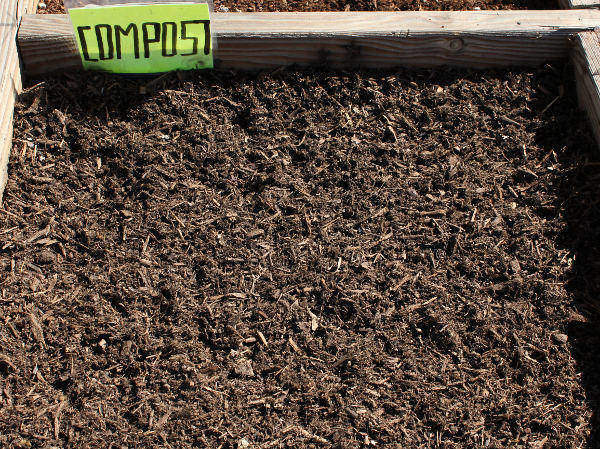
Creating this natural fertilizer using aeration, microbes, turning, and other techniques is one thing. Yet there is another dynamic aspect you can add to the process, and one which is so worth it: the mighty earthworm!

The earthworms boost the nutrient content by eat up the organic matter. It passes through their intestinal tract and the result is fine-textured, nutrient-packed, soil-like castings .
Rather than letting it slowly decompose with just the help of oxygen, microbes, and certain techniques, earthworms mobilize the process of decay through consuming and tunneling.
With tunneling the matter is aerated and break larger chunks of matter down quicker. This also brings airflow into deeper layers to speed things up, while letting healthier, more beneficial bacteria (aerobic strains) to colonize soil more successfully than unhealthy, anaerobic ones. Adding composting to your organic practices can help boost production while limit waste.
 AGSC 5110 Research Methods