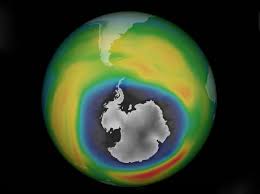
I was preparing to participate in the “Week of the young child” event to be held at Tennessee State University on April 8, 2020. However, it was cancelled due to the covid-19 outbreak. I intended to engage the kids via activities that would teach them about global warming and enlighten their guardians on what they could do and teach their kids to help mitigate the adverse effect of global warming. Since the event was cancelled, I would be sharing some information here relating to strategies that can be used to enlighten kids on the effect of global warming during this difficult time when everyone is obliged to stay at home.
Climate change refers to a change in the average conditions such as temperature and rainfall in a region over a long period of time. For clarity, the difference between the weather and the climate is that the weather describes the current condition of the atmosphere in a place. It includes conditions such as rain, snow, wind, tornadoes amongst a lot of other weather events. On the other hand, climate describes the weather conditions that have been observed and are expected over a long period of time in a region. The impacts of climate change include but are not limited to threats to animals and their habitats, wildfires, sea level rise, heat waves and extreme weather events such as heavy rainfall and drought.
A lot of factors can lead to a change in climatic conditions, however scientists agree that the earth has been getting warmer since the past century and would continue to get warmer due to human activities and this has been termed “global warming”. Specifically, global warming is the increase in the earth’s average temperature over a long of period time. The global average temperature of the earth is a big deal because it combines the temperatures (either hot, cold and extreme temperatures) of all locations on the earth. It is a very important indicator of changes going on in the Earth. A rise of just one degree Celsius (℃) on a sunny day where you live may have little or no effect. However, a 1℃ rise across the earth has a larger impact.
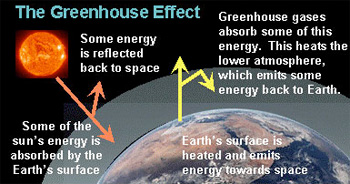
A major cause of global warming is the increase in greenhouse gases trapped in the atmosphere. Green house gases include carbon dioxide, water vapor, methane, nitrous oxide, and ozone. These gases play an important role in the Earth’s climate, they trap some of Earth’s heat energy referred to as greenhouse effect, so that the heat energy trapped doesn’t all escape into space, otherwise, the earth would be a much colder place. However, some human activities, such as the burning of fossil fuels (coal, oil and natural gas) for energy in power plants, factories and transport systems has led to a build-up of greenhouse gases in the atmosphere, thus causing global warming and inducing climate change.
How can we as adults and kids mitigate the effect of climate change on the earth? There are a lot of basic habits we can inculcate into our daily lives rather than feel like it is a scientific problem. Many of our daily activities contribute to the emission of greenhouse gases into the atmosphere. Here is a list of few things you can do to save the earth.
- Enlighten kids and individuals who are not aware about climate change so that they can develop habits that would reduce climate change effect.
- Wear a warm sweater instead of turning up the heat, and open your windows and turn on a fan instead of blasting the air conditioner to save energy, the more energy is consumed, the more fossil fuels are combusted and green house gases released into the atmosphere.
- Cutdown on the amount of electricity you use by unplugging phone and laptop chargers when not in use. It’ll save energy and save you money on energy bills.
- If you see a door wide open in the summer, close it. An open door to an air-conditioned building can let 2.2 tons of carbon dioxide escape over one summer.
- Air dry your freshly washed clothes. This would help to save energy and thus reduce greenhouse gas emission.
- Utilize clean renewable energy sources such as solar energy as they do not burn fossil fuels.
- Turn off the lights when leaving a room to reduce electricity usage.
- Take shorter showers and turn off the tap while brushing to reduce the amount of water you use, as energy is utilized in pumping and heating water.
- Plant trees to absorb carbon dioxide, which is a greenhouse gas.
- Recycle to reduce waste. When we recycle products, less energy is needed to extract, transport and process materials to manufacture products.
- carpooling to events when you and your friends are going for the same event, rather than each person driving individually, thus consuming more gas and releasing more carbon dioxide into the atmosphere.
- Walk or bike more often. Biking or walking just one mile a day for a year could save 330 pounds of carbon dioxide which could have been emitted while driving.
You can learn more about teaching kids climate change by visiting the website https://climatekids.nasa.gov/. It’s our responsibility to save the earth; you can start by making conscious effort to apply the recommendations to your daily routine. Note that the preservation of the earth is not limited to the above stated recommendations.
 AGSC 5110 Research Methods