I think when we talk about the safety of foods Biogenic amines plays a vital role. Among the food, polyamines are ubiquitous substances considered to be bioregulators of numerous cells functions and are involved in tissue repair and in intracellular signalling. Although many biological functions have been attributed to polyamines, high levels of these compounds in foodstuffs can have toxicological effects; however, no safe level for the intake of polyamines in a diet as yet been established.
The goal of food safety is to prevent food from becoming contaminated and causing food poisoning in a way to best reduce the risk of individuals becoming sick from foodborne illnesses.
Biogenic amines are biologically active compounds which are sources of nitrogen that exhibit critical roles in human and animal physiological functions and brain activity, which comes out due to microbial decarboxylation of amino acids.
Scientists have reported the occurrence of biogenic amines in a wide variety of fermented foods such as fish, meat, diary, chocolate, fruits, vegetables, ready to eat baby foods, coffee, tea, soybeans, wine, alcoholic beverages and vinegar as well.
The beneficial effects of including fermented foods in diets are well known. During fermentation the biologically active peptides which are well known for their health benefits are being produced by the beneficial bacterias. As a result, fermented foods helps in lowering blood pressure effects, increases the bioavailability of vital minerals from gastro intestinal track and also offers antioxidant, antimicrobial, antiallergenic, antidiabetic, and anti-atherosclerotic activity.
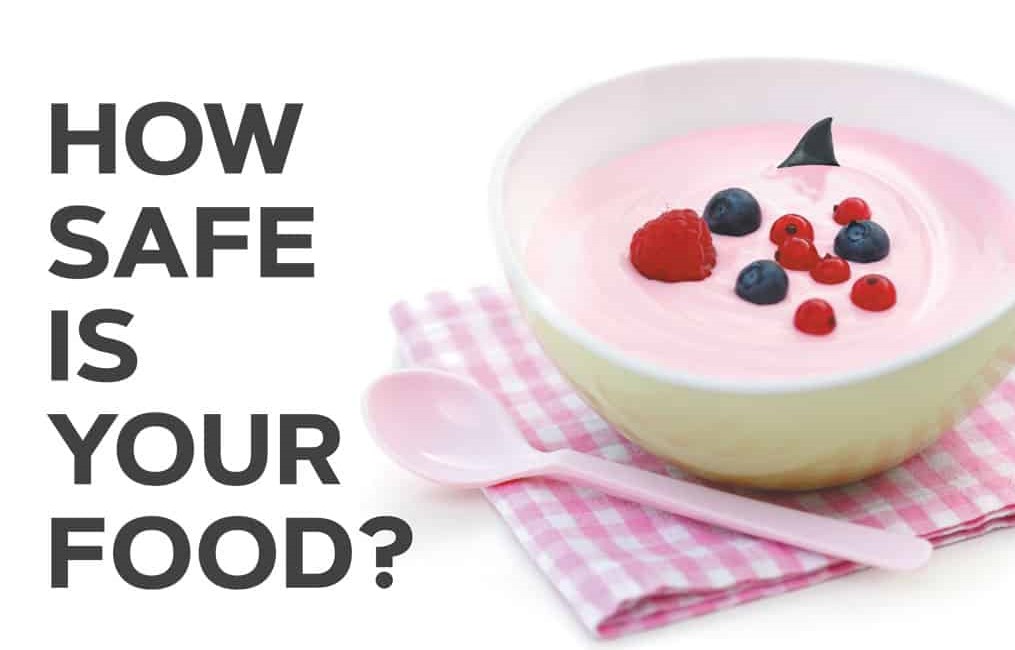
But over fermentation, improper storage and processing conditions of these fermented foods leads to the accumulation of biogenic amines in these foods.
Studies have revealed that the major area of cancer therapy research is based on the inhibition of the biosynthesis of these amines in tumor patients. It is not dangerous if the concentration of the average biogenic amines consumption in the diet is low, but the adverse effects like hypotension (caused by histamine, putrescine, cadaverine), hypertension (caused by tyramine), migraines (caused by tyramine, phenylethylamine), nausea, rash, dizziness, increased cardiac output, increased respiration and other toxicological effects can result at higher concentrations. Hence the determination of biogenic amines in food products is critical to assess potential health risks before consumption and thus makes it necessary to control its amount in food stuffs.
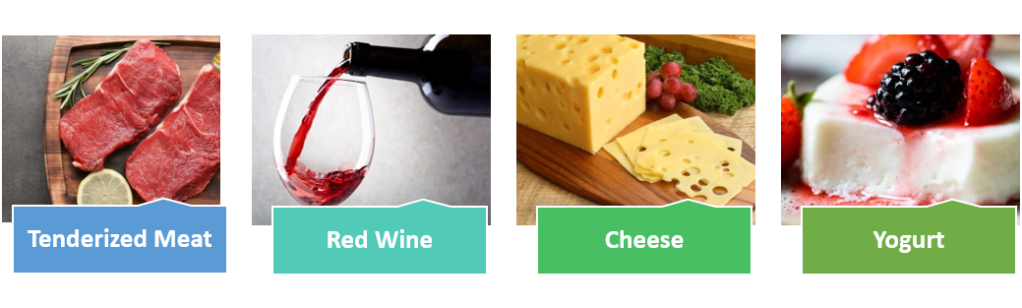
Keeping in mind the safety of food we consume; a solution is needed to limit the presence of biogenic amines in such foods. Researchers have developed analytical methods to determine its level in food and also discovered that to some extent Lactic acid bacterial species has an ability to degrade biogenic amines in wine. Still further investigation is needed to examine the safety and quality of food products.
Erim, F.B., 2013. Recent analytical approaches to the analysis of biogenic amines in food samples. TrAC Trends in Analytical Chemistry, 52, pp.239-247
García-Ruiz, A., González-Rompinelli, E.M., Bartolomé, B. and Moreno-Arribas, M.V., 2011. Potential of wine-associated lactic acid bacteria to degrade biogenic amines. International journal of food microbiology, 148(2), pp.115-120.
 AGSC 5110 Research Methods
Very interesting. I had not heard of these before but it sounds like don’t want too much of them in our diet!
LikeLiked by 1 person