I am a passionate wildlife lover and gratefully Africa is blessed with its diversity but the unfortunate thing is a lot of my people do not even know how richly blessed we are and have resolved to unsustainable activities and actions. The truth about conservation is, it can not be effectively done without human involvement. For humans and wildlife to coexist human effort is greatly required. Let me assume you are thinking what is your own with wildlife? I will work you through the importance of their existence in my next posts.
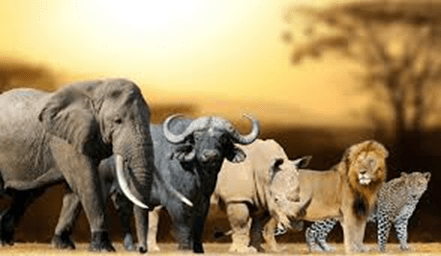
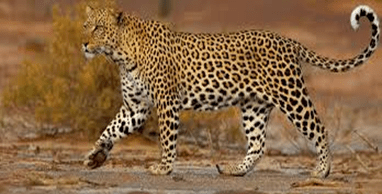
I will tell you a brief story of five beautiful wildlife animals and I will show you how beautiful they are visually. I am doing this to prepare your mind that you can still sight these animals but they are now in reduced populations.. And so you know, these animals are called the big five of Africa, are you thinking they earned the name because they are our national treasure? No! They didn’t, they earned that name because they were difficult to hunt unlike the Antelopes, Duikers and the Monkeys. The greatest threat to their existence is poaching and habitat degradation.
Presently, we kind of know what we have and we are now guarding them but not diligently. This is because the level of human involvement is relatively low. There are so many schemes and non-governmental organizations doing so many things, I feel like it is more of paper work than the actual work but that is not my aim for today. What I am excited about today is to show you what we call our big five in Africa. Yeeh! I want us to discuss if you also consider them big and would love to visit Africa to appreciate these beauties while they are still there.
A quick question, do you think you can name these animals scientifically? Did you even try? Lol.
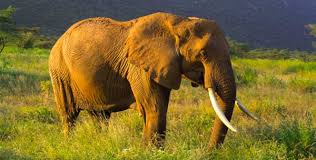
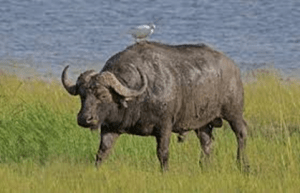
Figure 3 : The African cafe Buffalo (Syncerus caffer)
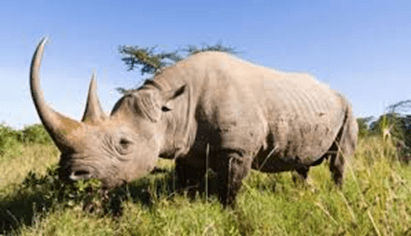
Figure 4 :The Rhinoceros Black (Diceros bicornis)
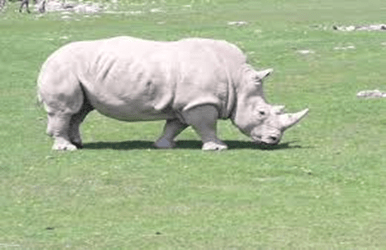
Figure 5 :The white Rhinoceros ( Ceratotherium simum)
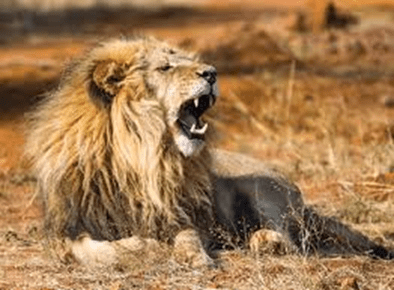
Figure 6 : The Lion (Panthera leo)
The sad truth is that the world’s last known male northern white rhinoceros, died in Kenya on 19 March 2018 and with only two confirmed female of the same species left in 2018. So what happens in the next ten years? Your guess is as good as mine, extinction. I would not want to bore you with the conservation status of these animals but I will say that generally their existence is faced with great threats.Kindly drop your suggestions and lets work together. Thank you!
I am Adeyinka Adekunle, a graduate student at Tennessee State University. I am a wildlife lover!
 AGSC 5110 Research Methods